Published on February 28, 2026
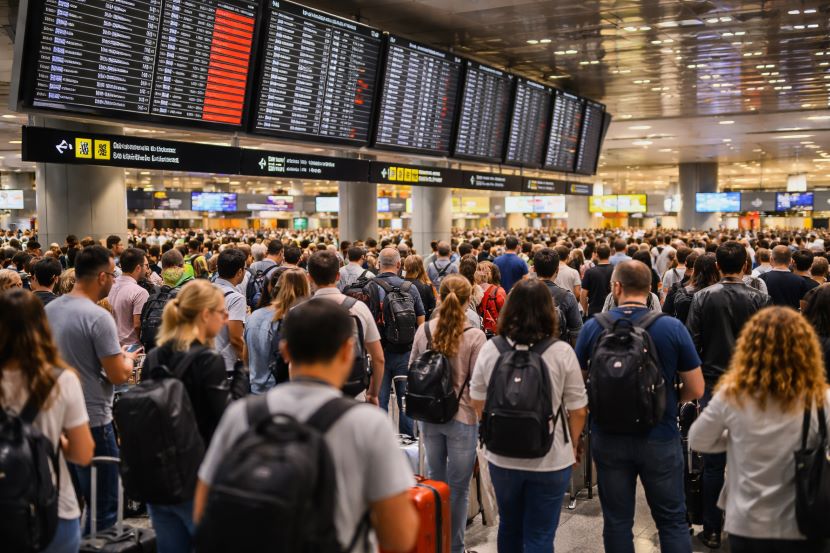
Image generated with Ai
Europe is currently facing significant travel disruptions as multiple airports and airlines report a wave of cancellations and delays. A total of 1530 flights have been delayed, with 57 flights cancelled, affecting key airports across the Netherlands, Spain, the UK, and other major European hubs. Airlines such as Finnair, Lufthansa, and British Airways are among the hardest hit, with passengers in cities like London, Berlin, and others experiencing extended waiting times and operational delays. As winter weather and operational challenges continue to impact air traffic, travelers are advised to check their flight status regularly to stay informed of changes. The ongoing disruptions are causing significant inconvenience for those with time-sensitive connections or tight schedules, adding to the travel chaos experienced across the region.
At Oslo’s Gardermoen Airport (OSL), a substantial number of flights were impacted, with 20 cancellations and 130 delays. The Norwegian capital’s primary airport, typically known for its efficiency, has become a bottleneck for travelers. Passengers have faced longer waits, and many have experienced disruptions in their onward connections, leading to a ripple effect across the region.
Amsterdam Schiphol (AMS), one of Europe’s busiest airports, reported 9 cancellations and 159 delays, affecting thousands of travelers. Known for its strategic importance as a hub connecting various international destinations, Schiphol’s operations have been notably disrupted. Passengers headed to both long-haul and short-haul destinations have faced increased waiting times and rebookings, putting additional strain on the airport’s infrastructure.
Barcelona International Airport (BCN) has also seen 6 cancellations and 299 delays, making it one of the worst-hit airports in Europe. The Spanish hub, which serves as a major gateway to Southern Europe, has experienced heightened delays that have left many passengers stranded. These disruptions have had severe implications, especially for the high number of tourists visiting the city and the busy flight schedules during peak hours.
Advertisement
Advertisement
London Heathrow (LHR), the UK’s busiest airport, saw 5 cancellations and 188 delays. While the numbers may seem moderate compared to some other airports, the sheer volume of traffic at Heathrow means even a small disruption can cause widespread issues. Many international passengers have faced delays on both European and long-haul flights, adding to the travel headaches.
Helsinki-Vantaa (HEL) reported 5 cancellations and 145 delays, while Stockholm-Arlanda (ARN) saw 5 cancellations and 68 delays. Both Scandinavian airports, often impacted by winter weather conditions, have had operational difficulties due to adverse weather, leading to delays for connecting flights, especially to and from northern Europe.
Advertisement
Advertisement
Frankfurt (FRA), Europe’s financial capital and a major hub for Lufthansa, reported no cancellations but 213 delays, with the majority affecting inbound and outbound flights to North America. Munich (MUC) also reported no cancellations but 110 delays, mainly affecting regional flights. Both airports have managed to minimize cancellations, but delays remain a significant concern for passengers.
Berlin Brandenburg (BER), after a long period of operational hurdles, experienced 4 cancellations and 84 delays. As the airport gradually stabilizes operations post-construction, these delays are a reminder that there’s still work to be done in ensuring smooth travel experiences for both local and international passengers.
Geneva International Airport (GVA) has experienced 2 cancellations and 60 delays, impacting travelers heading to and from the Swiss city. As a key hub for international flights, especially for those traveling to and from Europe, the airport’s operations have been affected by a mix of weather conditions and logistical challenges. While these disruptions are relatively low compared to other major airports, they still have significant implications for passengers, especially those with tight connections or time-sensitive travel plans. Travelers are advised to check their flight status regularly and stay updated on any changes to ensure smooth travel through one of Europe’s most important gateways.
Vienna International Airport (VIE) has reported 1 cancellation and 74 delays, causing some inconvenience for travelers. While the numbers are relatively low, these disruptions still impact passengers, particularly those with connecting flights or time-sensitive schedules. The delays are believed to be caused by a combination of operational challenges and weather conditions. Passengers traveling through Vienna are encouraged to monitor their flight status regularly and allow extra time for potential delays, ensuring a smoother travel experience through Austria’s major international gateway.
Europe’s major airports are experiencing significant flight disruptions, leaving passengers stranded and creating a ripple effect across international travel. From weather conditions to operational challenges, these disruptions have caused frustration for many travelers. Here’s a breakdown of the latest flight cancellations and delays impacting some of the busiest airports in Europe.Airport Cancellations Delays Impact on Travelers Oslo, Gardermoen (OSL) 20 130 Known for its efficiency, OSL has become a bottleneck, leading to long wait times and disruption in onward connections, affecting passengers across the region. Amsterdam Schiphol (AMS) 9 159 A strategic hub, Schiphol’s operations are severely impacted, with long-haul and short-haul passengers facing extended delays and rebookings, straining airport infrastructure. Barcelona International (BCN) 6 299 BCN has been one of the worst-hit, with delays leaving many tourists stranded, especially during peak travel times, affecting thousands of travelers. London Heathrow (LHR) 5 188 Heathrow’s high traffic means even minor disruptions cause widespread delays, leaving international passengers stranded or facing longer wait times. Helsinki-Vantaa (HEL) 5 145 Winter weather has impacted HEL, causing delays in connecting flights, especially from northern Europe, causing frustration for passengers traveling to and from this region. Stockholm-Arlanda (ARN) 5 68 Similar to Helsinki, Stockholm has faced delays caused by adverse weather, leading to inconvenience for passengers with onward connections. Frankfurt (FRA) 0 213 Frankfurt, Europe’s financial hub, has seen a high number of delays, especially on flights to North America, but managed to avoid cancellations. Munich (MUC) 0 110 Munich has faced significant delays, especially affecting regional flights, with minimal cancellations, but the impact on passengers is still felt. Berlin Brandenburg (BER) 4 84 After overcoming operational hurdles, BER continues to face minor disruptions, reminding travelers that it’s still recovering from its construction phase. Geneva International (GVA) 2 60 Geneva’s disruptions, though minimal, still affect tight connections and time-sensitive travelers, with a mix of weather and logistical issues causing delays. Vienna International (VIE) 1 74 VIE has seen a relatively low impact with only a few cancellations, but the delays have created inconvenience for travelers, particularly those with connecting flights.
As Europe’s airports face multiple disruptions, travelers are urged to stay vigilant and be prepared for delays. While some airports have been more severely impacted than others, the overall trend suggests a challenging travel season ahead. By staying informed and proactive, passengers can better manage their travel experience and mitigate the stress of flight cancellations and delays.
Finnair, known for its reliable service, has reported 1 delay with no cancellations. Although the disruption is minimal compared to other airlines, this delay may still affect passengers with tight connections or time-sensitive travel plans. As a key carrier connecting Europe to Asia, Finnair’s passengers are advised to check flight statuses regularly and stay informed of any updates to ensure smooth travel through their extensive route network. While these delays are relatively low, travelers should always be prepared for potential changes to avoid travel disruptions.
Ryanair has reported 3 delays with no cancellations, resulting in minor disruptions for travelers. Although the number of delays is relatively low, passengers may still face inconvenience, especially if they have connecting flights or tight schedules. Ryanair’s extensive network across Europe means these delays can affect a wide range of destinations. Travelers are encouraged to monitor their flight status regularly and allow extra time for potential changes, ensuring a smoother journey with one of Europe’s most popular low-cost carriers.
Swiss International Air Lines has reported 5 delays with no cancellations, causing slight disruption for passengers. While the delays are minimal, they may still affect those with tight connections or time-sensitive travel plans. Known for its efficiency and quality service, Swiss typically provides smooth travel, but these delays are a reminder that even top-tier airlines can experience operational challenges. Passengers are advised to stay updated on their flight status and plan for possible delays, ensuring a more relaxed travel experience.
British Airways has reported 1 delay with no cancellations, resulting in minimal disruption for passengers. While the delay is relatively low, it may still cause inconvenience for travelers with tight schedules or connecting flights. As a leading airline known for its reliability, British Airways typically maintains efficient operations, and this minor delay should not significantly impact most passengers. However, travelers are encouraged to check flight statuses regularly to stay informed and avoid potential disruptions to their journey.
Lufthansa has reported 3 delays with no cancellations, causing slight inconvenience for travelers. While the delays are minimal, passengers with connecting flights or tight schedules may feel the impact. Known for its punctuality and high service standards, Lufthansa’s delays are rare but still serve as a reminder that even top carriers can face occasional disruptions. Travelers are advised to monitor their flight status and allow extra time to ensure a smooth and stress-free journey.
Finnair has reported 1 delay with no cancellations, causing minimal disruption for passengers. While the delay is relatively minor, it may still affect those with tight connections or time-sensitive travel plans. Known for its efficiency, Finnair continues to provide reliable service, and this isolated delay should not significantly impact most travelers. Passengers are encouraged to stay updated on flight statuses and plan accordingly for a smoother travel experience.
As air travel continues to rebound, passengers across Europe are encountering some minor disruptions. While these issues are relatively small in scale, they still have an impact on travelers, particularly those with tight schedules or connecting flights. Here’s a quick look at the latest updates on cancellations and delays reported by major European airlines.Airline Cancellations Delays Impact on Travelers Finnair 0 1 A single delay with no cancellations. Minimal disruption, though it may affect tight connections. Ryanair 0 3 Minor delays with no cancellations, but may affect passengers with time-sensitive plans. Swiss International 0 5 Slight disruption with 5 delays. Passengers should monitor flight status for updates. British Airways 0 1 One delay reported, but minimal disruption for most travelers. Check flight status for updates. Lufthansa 0 3 Three delays with no cancellations. A small impact for travelers, especially those with connecting flights.
While these delays are minor, it’s important for travelers to stay informed and prepared. Regularly checking flight statuses and allowing extra time for unforeseen delays will help mitigate any stress during your journey. Most of these airlines, known for their high service standards, continue to ensure smooth travel experiences despite these temporary disruptions.
Across Europe’s major airports and leading airlines, flight disruptions have been reported, with delays affecting thousands of passengers. Notable airports like Oslo, Gardermoen (OSL) faced 20 cancellations and 130 delays, severely impacting travelers. Amsterdam Schiphol (AMS) reported 9 cancellations and 159 delays, while Barcelona International (BCN) saw 6 cancellations and 299 delays, making it one of the worst-hit airports. London Heathrow (LHR) had 5 cancellations and 188 delays, affecting a large volume of international passengers. Helsinki-Vantaa (HEL) and Stockholm-Arlanda (ARN) reported 5 cancellations each, along with 145 delays and 68 delays, respectively.
In Germany, Frankfurt (FRA) had 213 delays but no cancellations, while Munich (MUC) recorded 110 delays. Berlin Brandenburg (BER) had 4 cancellations and 84 delays, and Geneva (GVA) saw 2 cancellations and 60 delays. Vienna (VIE) also reported 1 cancellation and 74 delays, indicating relatively minor disruptions compared to other airports.
Regarding airlines, Finnair experienced 1 delay with no cancellations, Ryanair had 3 delays without any cancellations, Swiss International had 5 delays, British Airways reported 1 delay, and Lufthansa had 3 delays, all with no cancellations. While the number of cancellations across airlines and airports remains low, delays continue to affect travel across Europe, particularly for passengers with tight connections or time-sensitive plans.
Travelers are advised to stay informed by regularly checking flight statuses and to allow extra time at airports to navigate potential delays. Despite these disruptions, the overall impact remains manageable, with airlines and airports working to minimize any further inconvenience.
For those traveling through these affected airports, the disruptions can be a major headache. Passengers may experience missed connections, extended waiting times, and increased stress. To navigate these challenges, travelers are advised to:
The majority of disruptions at these airports are attributed to a combination of weather conditions, operational challenges, and the continued high volume of passenger traffic, especially during peak seasons. Snow, fog, and ice have caused delays, particularly in northern and central Europe, while congestion and technical issues continue to impact large international hubs. With airports already managing heavy holiday traffic, even minor issues have created significant ripple effects, particularly for connecting flights.
As delays and cancellations continue to plague airports across Europe, travelers must remain vigilant and prepared for potential disruptions. With over 1500 delayed flights and dozens of cancellations, the ripple effect is being felt at key hubs in the Netherlands, Spain, and the UK. Finnair, Lufthansa, and British Airways are among the airlines struggling to maintain smooth operations during this busy travel period. Passengers are advised to monitor their flight status, allow extra time for potential delays, and stay updated on any changes. While the disruptions may cause temporary frustration, staying informed will help mitigate the impact on your travel plans.
Source:- FlightAware and Different Airports
Advertisement


















Saturday, February 28, 2026

Saturday, February 28, 2026

Saturday, February 28, 2026

Saturday, February 28, 2026

Saturday, February 28, 2026

Saturday, February 28, 2026

Saturday, February 28, 2026

Saturday, February 28, 2026