Published on March 2, 2026

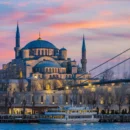
Image generated with Ai
Travel in the Mediterranean is undergoing an extensive shift as Turkey’s sports tourism industry continues to grow and diversify, setting new records in 2026. To transform the nation from a seasonal, football-focused travel destination into a year-round international sports tourism hotspot, a comprehensive national sports tourism strategy has been put into place. The inclusion of 12 main sports in the national tourism portfolio has fueled this development and made sure that every province benefits economically from foreign visitors. Turkey is establishing itself as the top option for both professional athletes and leisure enthusiasts looking for top-notch infrastructure as the global expansion of the hospitality sector increasingly emphasizes active and immersive travel.
A centralized initiative led by the Turkish Sports Tourism Association has identified twelve key disciplines as the foundation for the nation’s new identity. Beyond the traditional dominance of football, massive investments are being funneled into cycling, skiing, golf, swimming, tennis, basketball, volleyball, and athletics. This diversification is designed to capture a larger share of the global sports market, which is estimated to grow at a compound annual rate of over 11%. By broadening the scope of available activities, the nation is successfully rebranding itself as a multi-sport sanctuary where elite training and leisure intersect seamlessly.
In 2026, the focus has particularly shifted toward cycling tourism, with the city of Antalya hosting major international events such as the Tour of Antalya and the Gran Fondo. This shift is not accidental; it is a calculated component of the Twelfth Development Plan (2024-2028), which aims to raise the share of sports in total tourism revenue from 1.5% to a target of 10%. By providing specialized “bicycle-friendly” hotel certifications and a modern velodrome in Konya, the government is ensuring that the infrastructure meets the rigorous demands of professional cycling teams from across Europe and Asia.
While the summer months traditionally drive coastal tourism, the winter and autumn periods are being revived through a strategic focus on high-performance training camps. The Belek region in Antalya has emerged as a global leader for winter football camps, with over 3,000 teams annually choosing the Turkish Riviera for their mid-season preparations. It is reported that these camps alone generate an estimated €100–150 million in direct revenue, filling hotels during what was previously described as the dead season.
Advertisement
Advertisement
The economic benefits of this winter surge extend far beyond the pitch. High-spending athletes and their support staffs contribute to significant spikes in local retail and service sector activity. For instance, golf tourism in Belek has reached a point where courses are fully booked months in advance, attracting affluent travelers from the United Kingdom, Germany, and the Nordic countries. This influx of foreign currency is critical for the national economy, helping to maintain stable employment levels for thousands of tourism workers who would otherwise face seasonal layoffs.
A core objective of the regional development plan is the decentralization of tourism activity away from the Mediterranean coast. Cities such as Erzurum, Kayseri, and Samsun are being transformed into specialized hubs that leverage their unique geography. In the northeast, Erzurum has been positioned as a center for high-altitude training and winter sports, utilizing the Palandöken Mountain facilities to host international ice hockey and skiing championships. Similarly, Mount Erciyes in Kayseri is being promoted as a world-class alternative to the Alps, offering volcanic terrain and reliable powder for international winter festivals.
Advertisement
Advertisement
The historic region of Cappadocia is also being integrated into this sports-led vision. While famous for its hot air balloons, the area is now a destination for ultra-marathons and cross-country cycling trails that weave through its unique rock formations. Further north, the coastal city of Samsun utilizes its Olympic sports complexes to attract swimming and gymnastics delegations, while the Muğla region focuses on sailing and rowing camps. This geographic spread ensures that every corner of the country benefits from the “sports tourism multiplier effect,” creating a more resilient and balanced national economy.
The strategic use of sports events to fill dormant seasons is perhaps the most visible success of the 2026 strategy. By hosting championships and festivals in the “shoulder” months of October, November, and March, the industry is successfully reviving dormant seasons that were once characterized by low occupancy. This transformation is supported by a robust calendar of events, including the Presidential Cycling Tour of Türkiye and the Bosphorus Intercontinental Swimming Competition, which draw thousands of participants and spectators alike.
Advertisement
Advertisement
These events serve as powerful marketing tools, showcasing the country’s stability and logistical prowess to a global audience. The Ministry of Culture and Tourism has noted that visitors who arrive for sporting reasons tend to stay longer and spend more per capita than traditional “sun and sea” tourists. This higher yield per visitor is a primary KPI for the Turkey Tourism Strategy 2026–2036, which emphasizes value-led growth over mere arrival volume. By turning the “dead season” into a period of high-intensity athletic competition, Turkey is effectively doubling its tourism potential without expanding its physical footprint.
Looking toward the remainder of the decade, the ambition for global positioning remains clear. The country is currently preparing to co-host UEFA Euro 2032, an event that is expected to trigger a fresh wave of stadium and transportation upgrades. The goal is to establish a permanent reputation as a multi-sport destination that can host any event, from a small-scale tennis tournament to a global Olympiad.
This vision is underpinned by a “whole-of-government” approach where the Ministry of Youth and Sports works in tandem with private investors to ensure that every facility meets international standards. As more professional leagues from the Middle East and Eastern Europe choose Turkey for their training bases, the country’s status as a year-round athletic sanctuary becomes increasingly unassailable. The success of 2026 is merely the starting line for a nation that has decided to play a much larger game on the world stage.
Advertisement













Monday, March 2, 2026

Monday, March 2, 2026
Monday, March 2, 2026

Monday, March 2, 2026

Monday, March 2, 2026
Monday, March 2, 2026