Published on March 1, 2026
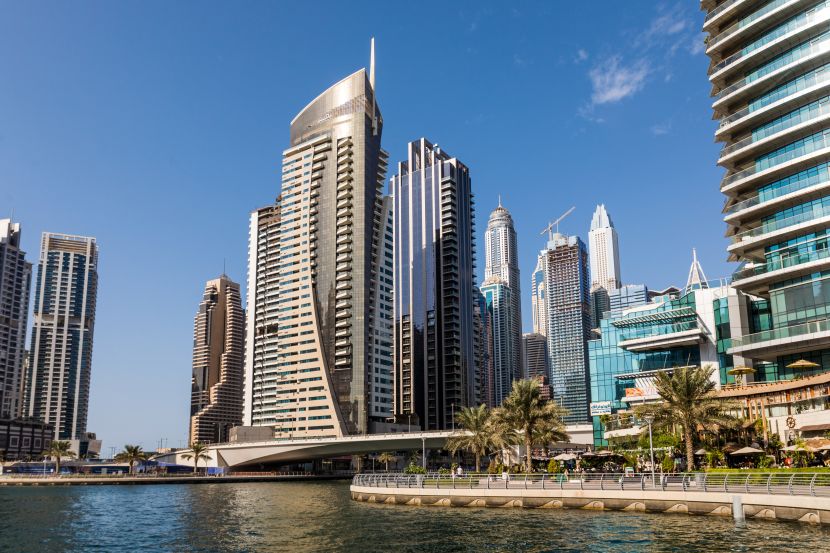
Image generated with Ai
In 2025, while outbound tourism from India surged, driven by key markets like the UAE, United Kingdom, United States, Saudi Arabia, and Thailand, foreign tourist arrivals to India experienced a significant decline of nine point four percent. This downturn can primarily be attributed to escalating tensions with Bangladesh, which led to a sharp decrease in visitors from the neighboring country. The political instability and subsequent visa restrictions imposed on Bangladeshi nationals severely impacted bilateral tourism, overshadowing India’s growth in other international markets.
In a major setback for India’s tourism sector, foreign tourist arrivals in 2025 witnessed a sharp decline of 9.4%, dropping to 90.2 lakh, according to official data from the Ministry of Tourism. The most significant contributor to this decline was a staggering drop in visitors from India’s neighboring country, Bangladesh, which faced a dramatic decrease of 73.37% in tourist arrivals. This steep fall was triggered by political unrest and the imposition of visa restrictions between the two nations, highlighting how sensitive international travel can be to diplomatic tensions.
The steepest fall in foreign tourist arrivals was seen in the influx of visitors from Bangladesh. The number of Bangladeshi nationals visiting India plummeted from 17,50,165 in 2024 to just 4,66,012 in 2025. This dramatic reduction can largely be attributed to escalating tensions between India and Bangladesh, especially after the imposition of visa restrictions in August 2024.
These tensions emerged after violent student-led protests in Bangladesh ousted Prime Minister Sheikh Hasina’s Awami League regime in July-August 2024. The instability and security concerns in Bangladesh caused India to suspend visa facilities for Bangladeshi nationals, severely curtailing bilateral travel between the two countries. The diplomatic situation and security concerns impacted the bilateral tourism flow, leading to the sharp decline in the number of Bangladeshi tourists visiting India.
Advertisement
Advertisement
While the overall tourist arrivals to India experienced a dip, excluding Bangladesh, the figures show a growth of 4.25% in 2025. This indicates that India’s appeal as a global tourism destination remains strong, despite the downturn in one of its neighbouring markets. The decline from Bangladesh was the key factor contributing to the overall negative growth.
India’s tourism sector continues to attract a substantial number of international visitors, especially from countries outside the South Asian region. The United States remained the top source market for inbound tourism to India, with 1.81 million American visitors in 2025. The United Kingdom followed closely with 1.07 million visitors, showcasing the enduring appeal of India in key Western markets.
Advertisement
Advertisement
Other countries also saw steady numbers of visitors to India:
These markets continue to contribute significantly to India’s inbound tourism, despite challenges faced in specific regions. The positive growth in visitors from the US, UK, Australia, and Canada highlights India’s global attractiveness as a cultural, leisure, and business destination.
While inbound tourism faced a setback, India’s outbound tourism showed remarkable growth. In 2025, India recorded 327.1 lakh outbound tourist visits, marking an increase of 5.9% compared to the previous year and an impressive 21.5% growth when compared to the pre-pandemic year of 2019. This growth is a strong indicator of the increasing demand for international travel among Indian citizens, despite the challenges faced domestically in tourism.
The UAE emerged as the top destination for Indian travelers in 2025, capturing a 26.3% share of all outbound tourism. Other key destinations for Indian travelers included:
The UAE continues to hold a dominant position in Indian travel preferences, thanks to its proximity, business opportunities, and thriving Indian diaspora. Similarly, Saudi Arabia, Thailand, the US, and Singapore are favored destinations for Indian travelers, each offering unique opportunities for leisure, business, and familial visits.
Leisure travel has firmly established itself as the dominant purpose for outbound trips from India, accounting for 43.5% of all outbound tourism. However, visits to the Indian diaspora also accounted for a significant share, making up 34.1% of outbound trips. Business travel constituted 14.6% of total outbound trips, demonstrating the increasing significance of international business travel from India.
India’s increasing outbound tourism is driven by growing affluence, ease of access to international destinations, and strong cultural and familial connections across the globe. The diaspora’s role in promoting international travel is also a key factor in maintaining high levels of outbound tourism.
When it comes to departures, Delhi remains the primary departure point for international travelers from India, capturing a 22.7% share of outbound travel. Mumbai follows closely behind with a 19.9% share. These two major metros dominate international departures, with travelers from other regions also relying on these hubs for their international travel needs.
In 2025, outbound tourism from India thrived, with the UAE, United Kingdom, United States, Saudi Arabia, and Thailand leading the surge. However, foreign tourist arrivals to India dropped by nine point four percent, mainly due to escalating tensions with Bangladesh and the imposition of visa restrictions.
Despite the challenges posed by diplomatic tensions with Bangladesh, India remains a key player in the global tourism market. While the decline in visitors from Bangladesh has had a noticeable impact on India’s overall foreign tourist arrivals, the positive growth from other countries proves that India’s tourism sector is far from stagnating. Furthermore, the impressive growth in outbound tourism demonstrates the increasing international mobility of Indian citizens.
India’s tourism sector will need to continue strengthening ties with other key markets, particularly in the West, and focus on promoting its vast cultural, historical, and business offerings to sustain its position in the global tourism landscape. The government’s efforts to facilitate smoother visa processes and enhance safety and security measures for international travelers will also be crucial in mitigating such challenges in the future.
India’s tourism, despite setbacks, continues to remain resilient, with a steady demand for international travel, both inbound and outbound. The future remains bright for India’s tourism sector, as it strives to recover from current challenges and reclaim its position as one of the world’s leading travel destinations.
Advertisement
Tags: bangladesh, Tourism news, Travel News, visa-free news

















Monday, March 2, 2026

Monday, March 2, 2026

Monday, March 2, 2026

Monday, March 2, 2026

Monday, March 2, 2026

Monday, March 2, 2026