

Saudi Arabia Expands Digital Visa Access as Tourism Spending Rises Big

Published
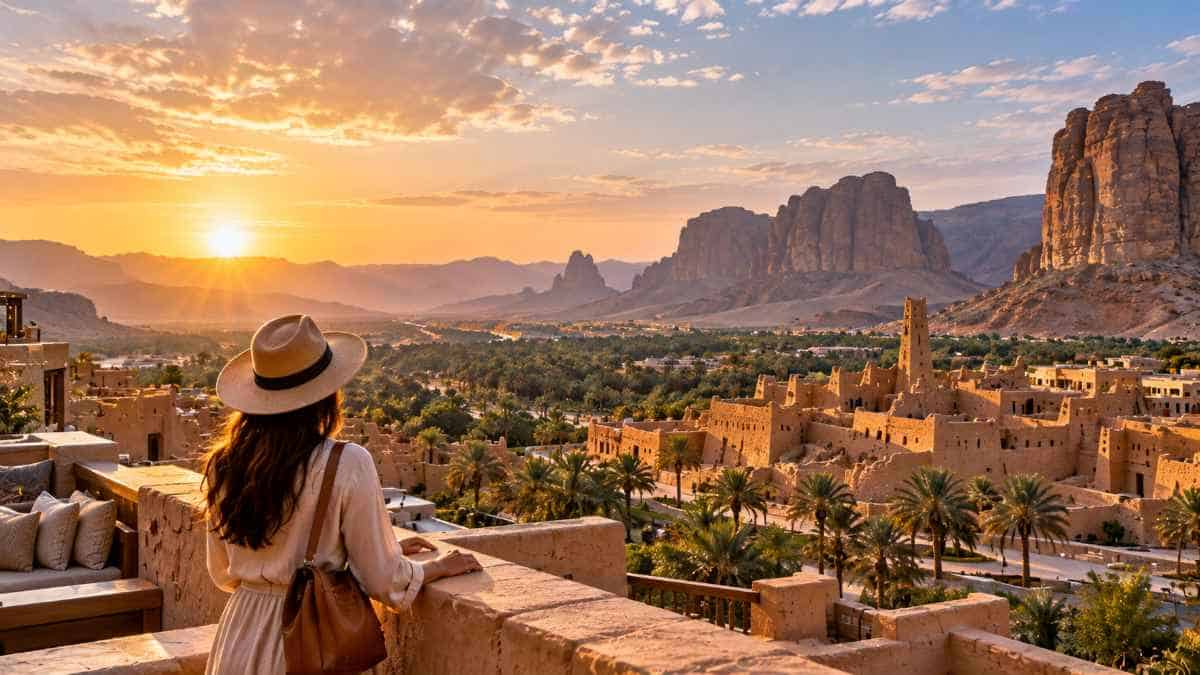
Through online digital visas, connectivity of the airways and developments at destinations, Saudi Arabia is working on increasing its tourist offer so that more foreigners can visit the country. This move contributes to the Vision 2030 plan as it tries to diversify the economy and ensure that there is more contribution by the tourism sector. As per the latest official statistics for the year 2025, Saudi Arabia has been visited by 29.3 million inbound tourists and the inbound tourism expenditure has reached SAR176.6 billion. Total inbound and domestic tourism expenditures have reached an all-time high of SAR304 billion as per the annual statistical report released by the Ministry of Tourism in 2025. There is reliable information that is being given for the analysis of the tourism sector, as compared to any unverified information about foreign tourism spending. E-visas will be important when it comes to tourists visiting Saudi Arabia, especially when planning trips or events and connecting through the airways of Saudi Arabia. The official eVisa for tourists of Saudi Arabia mentions 68 countries in place of the previous 66 countries.
Digital Visa Services Support Visitor Access
Saudi Arabia’s tourist eVisa system allows eligible travellers to complete an application online instead of relying exclusively on a traditional embassy application. The standard tourist visa is generally valid for one year with multiple entries and permits stays of up to 90 days, subject to the visa terms.
Advertisement
Advertisement
The visa allows eligible visitors to undertake tourism activities, attend events, visit family and friends, and perform Umrah outside the Hajj season. It does not replace the separate requirements that may apply to employment, study or other activities.
Eligibility depends on nationality and the rules in force when an application is submitted. Travellers whose passports are not covered by the online scheme may need to follow another application route through the relevant Saudi authorities.
Advertisement
Advertisement
Digital applications can help visitors prepare for a trip before departure, but approval is not automatic. Travellers should confirm their eligibility, visa conditions and permitted length of stay before making non-refundable travel arrangements.
Stopover Visas Connect Air Travel and Tourism
Saudi Arabia also offers a stopover visa for eligible passengers travelling on participating national carriers, including Saudia. The programme enables qualifying travellers to enter the country for a short visit during a connecting journey, with stays of up to 96 hours under the applicable conditions.
Advertisement
Advertisement
The scheme creates an opportunity for passengers to experience Saudi destinations without arranging a conventional longer holiday. Depending on their itinerary and eligibility, visitors may use the stopover to explore Riyadh, Jeddah or other accessible attractions before continuing to their final destination.
However, the specific claim that both Saudia and Riyadh Air provide an identical automated stopover visa process should be checked against the airlines’ current booking terms. Travellers should confirm which carrier, itinerary and visa conditions apply before relying on the service.
For tourism operators, stopover products can introduce the country to passengers who might otherwise pass through without leaving the airport. Their wider economic impact depends on visitor numbers, length of stay and spending on hotels, food, transport and attractions.
AlUla, Diriyah and the Red Sea Broaden Leisure Tourism
Saudi Arabia is developing a broader range of leisure and cultural destinations alongside its established religious tourism market. AlUla offers archaeological heritage, historic settlements, desert landscapes and cultural events. Diriyah focuses on the Kingdom’s history and heritage, including the At-Turaif district, a UNESCO World Heritage Site.
The Red Sea destination represents a different proposition, centred on coastal landscapes, resorts and marine environments. New hospitality facilities and improved air access are intended to support visits to the western coast, including stays built around nature and resort experiences.
These projects form part of the Kingdom’s effort to diversify tourism demand. They offer international visitors alternatives to traditional pilgrimage itineraries and give the travel industry more options for creating multi-stop holidays.
Advertisement
Advertisement
The supplied claim that non-religious leisure arrivals across AlUla, Diriyah and the Red Sea Project increased by 42 per cent year on year could not be confirmed from the official figures reviewed. A reliable comparison would require a defined reporting period and separate arrival or visitor data for the three destinations.
Tourism Spending Shows the Sector’s Economic Role
The report published by the Ministry of Tourism in 2025 indicated that there were 29.3 million inbound tourists and SAR176.6 billion worth of inbound tourism spending. In addition, domestic tourism contributed an extra SAR127.1 billion, bringing the total domestic and inbound tourism spending to around SAR304 billion. It is evident from the statistics above why international visitors play a significant role in the economy. They provide money to sectors such as accommodation, restaurants, transport providers, attractions, retail firms, and many others. There are various destinations and purposes of visits; therefore, the benefits differ. The aforementioned US$38.4 billion spent by international inbound visitors cannot be cited as the official 2025 total without a source that proves the year and methodology of calculation. The official 2025 total is published in Saudi riyals and is bigger when it is converted into US dollars according to the exchange rate used for annual totals. As Saudi Arabia develops an e-entry system and new leisure destinations, accurate statistics about the number of visas issued, international arrivals and visitor spending will be crucial to track progress.
Advertisement
