Published on March 2, 2026

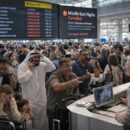
Image generated with Ai
The UK Foreign Office has revised its travel advice for 15 countries in the Middle East, urging British nationals to stay vigilant and consider their safety amidst escalating conflict in the region. The UK government has also initiated plans to evacuate thousands of British citizens from countries like Israel, Palestine, and the UAE as tensions continue to rise between regional powers.
The updated guidance comes after missile strikes and drone attacks have severely disrupted the region, resulting in a dramatic shift in how the UK government is managing its consular services. Thousands of tourists and residents in the region, particularly in Israel, Qatar, and Bahrain, are now facing the reality of extended stays or urgent evacuations as the conflict intensifies.
The latest update from the FCDO advises against all travel to Iran, Israel, and Palestine, as well as all but essential travel to countries including the UAE, Qatar, Kuwait, and Bahrain. British nationals in Saudi Arabia, Jordan, Lebanon, Syria, Yemen, and Iraq are advised to take extra precautions and closely monitor local news, given the rising security threats in these areas.
A major concern has been the ongoing missile and drone attacks targeting major cities, including Dubai, Doha, and Jerusalem. Explosions have rattled the Gulf cities as well as in Tel Aviv, causing significant disruption to daily life, including at airports and hotels frequented by international travelers. In response, the FCDO has issued a “shelter-in-place” recommendation for Britons in UAE and Qatar, urging them to remain indoors while local authorities manage security threats.
Advertisement
Advertisement
The situation has escalated to the point where the Ministry of Defence (MoD) is actively involved, with RAF Akrotiri in Cyprus reportedly being hit by a suspected drone strike. Fortunately, no casualties were reported, but heightened security measures have been enacted, especially with the growing threat of further attacks.
In a bid to support its citizens stranded across the Middle East, the UK government is working on a large-scale evacuation plan. With airspace closures and dangerous conditions making commercial travel increasingly difficult, the government is exploring alternative evacuation routes, including ground transportation to nearby countries like Saudi Arabia, where airspace remains open.
Advertisement
Advertisement
An evacuation operation is underway, with the Ministry of Defence coordinating with the Foreign Office to ensure the safe exit of British nationals from high-risk zones. A significant number of travelers from Israel, Bahrain, and Qatar are expected to be affected, particularly as flights out of major Gulf airports remain suspended or rerouted due to missile strikes and other security concerns.
In a statement, UK government officials emphasized the need for all British nationals in the region to register their location and contact details with the FCDO to receive critical updates and support during this period of heightened uncertainty.
The impact on both business and tourism in the Middle East has been severe. Business travelers attending conferences, meetings, or conducting operations in cities like Doha, Tel Aviv, and Dubai are now finding themselves stranded, unable to return home as flights are delayed or canceled due to security risks. Many travelers from the UK, especially those in business sectors, face uncertain timelines for their return, significantly disrupting professional plans in the region.
Leisure travelers, particularly those who had planned holidays in the UAE, Israel, or Qatar, are also affected. Many are facing extended stays, while others are unable to leave due to flight cancellations. In some cases, travelers who had already arrived in the region have found themselves caught in the escalating conflict, with air travel options severely limited.
British nationals in the region are urged to follow key safety protocols outlined by the FCDO to ensure their security and well-being during this crisis. Here are some essential steps travelers should take:
Conclusion: Navigating a Complex Travel Crisis in the Middle East
As the crisis in the Middle East continues to unfold, British nationals in the region are facing major travel disruptions and uncertainty. While the UK government works diligently to support citizens and implement evacuation plans, travelers must remain vigilant, flexible, and well-informed. By following safety protocols, staying registered with the FCDO, and being prepared for sudden changes in their travel plans, affected travelers can better navigate the challenges posed by the ongoing conflict.
Advertisement
Tags: Israel, Middle East, QATAR, UAE, United Kingdom

















Monday, March 2, 2026

Monday, March 2, 2026

Monday, March 2, 2026

Monday, March 2, 2026

Monday, March 2, 2026

Monday, March 2, 2026