
Finland Is a Nature-Rich Escape With Forests, Wildlife Areas and More in Helsinki and Other Cities

Published
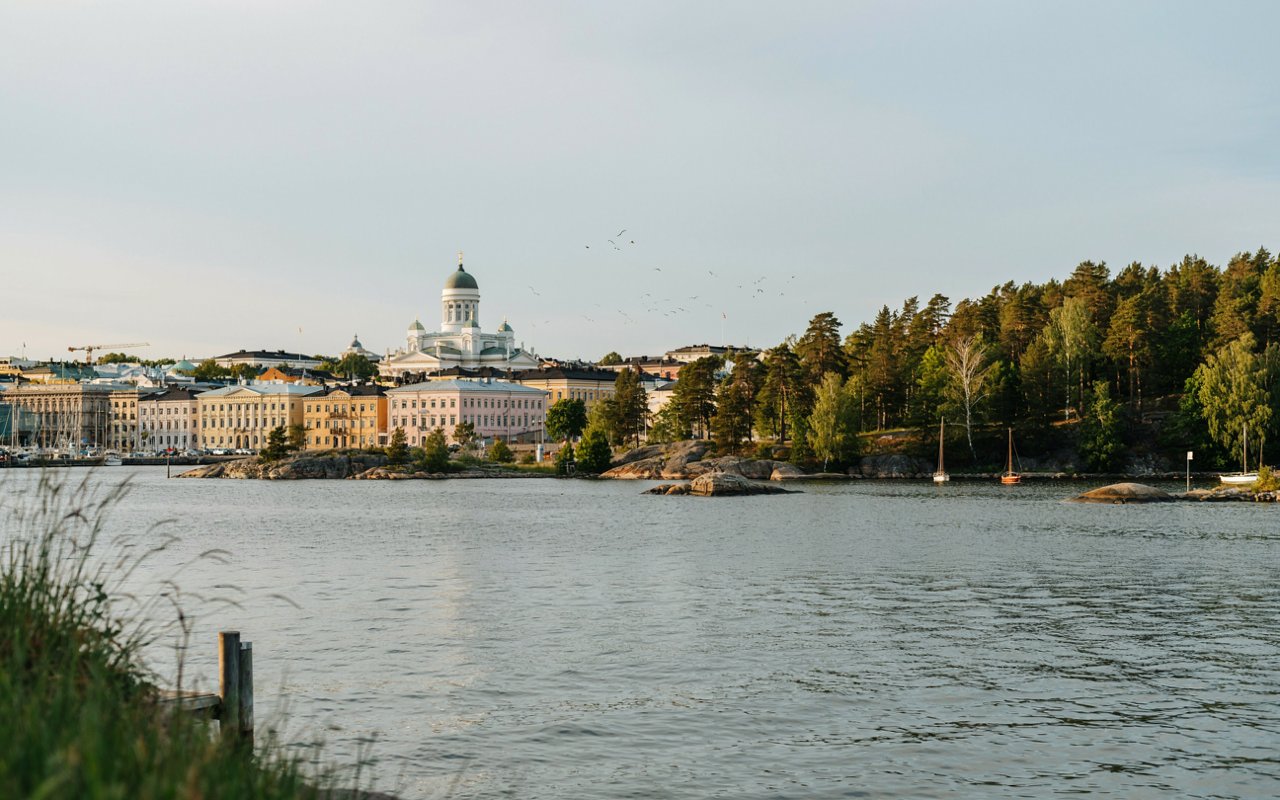
Image generated with Ai
Finland is one of Europe’s most nature-rich destinations, where cities are closely connected with forests, lakes, islands, wildlife areas and protected landscapes. For foreign visitors in 2026, several Finnish cities will offer exceptional green experiences, combining urban parks, national urban parks, nature reserves and easy access to wilderness. Finland’s official tourism authorities highlight that the country has 41 national parks covering forests, lakes, archipelagos and Arctic landscapes, many accessible from major cities.
Visitors can discover peaceful woodlands, coastal environments, lakes and Arctic scenery within a single destination. The growing demand for sustainable tourism is driving interest in Finland’s natural attractions. These destinations offer relaxation, adventure and authentic encounters with nature, making Finland an unforgettable choice for travellers seeking extraordinary green experiences.
Finland’s Greenest Cities for 2026 Visitors: Urban Parks, Nature Sanctuaries and Breathtaking Landscapes to Explore
| Finnish City | Key Green Attraction | Parks, Sanctuaries and Landscapes | What Foreign Visitors Can Experience in 2026 | Best Time to Visit |
|---|---|---|---|---|
| Helsinki | Urban nature combined with Baltic Sea landscapes | Central Park, Nuuksio National Park nearby, Sipoonkorpi National Park, Viikki-Vanhankaupunginlahti wetlands, Vallisaari Island nature reserve | Forest walks, birdwatching, island escapes, coastal trails, cycling routes and Nordic urban nature experiences. Helsinki has extensive protected nature areas, including forests, wetlands and islands. | May–September for hiking and islands; winter for snowy landscapes |
| Espoo | Finland’s forest city with easy wilderness access | Nuuksio National Park, Nuuksio Lake Highlands, Espoo Central Park, coastal nature areas | Visitors can experience Finnish forests, lakes, hiking trails, canoeing and wildlife close to the capital region. Nuuksio is one of Finland’s most accessible national parks. | June–October for hiking and autumn colours |
| Tampere | Lakeside city with a newly established national urban park | Tampere National Urban Park, Pyynikki Ridge, Kauppi Forest, Lake Näsijärvi and Pyhäjärvi shores | Visitors can combine city sightseeing with forests, lake views, cultural landscapes and walking routes. Tampere National Urban Park connects natural landscapes, historic areas and recreation zones. | Summer and autumn for lakeside scenery |
| Turku | Historic city surrounded by rivers, islands and coastal nature | Turku National Urban Park, Ruissalo Island, Aura River landscape, Saaronniemi coastal areas | Travellers can explore forests, botanical landscapes, cycling routes, waterfront scenery and historic green spaces. The Turku National Urban Park stretches from Airisto shores through Ruissalo to Kylämäki. | June–August for islands and coastal activities |
| Rovaniemi | Arctic wilderness gateway | Ounasvaara outdoor area, Arctic Circle landscapes, nearby Pyhä-Luosto National Park, Lapland forests | Visitors can experience Arctic nature, hiking, Northern Lights, midnight sun landscapes and reindeer regions. Rovaniemi represents Finland’s Lapland wilderness experience. | September–April for Northern Lights; June–August for hiking |
| Lahti | Sustainable lakeside destination | Lake Vesijärvi surroundings, Salpausselkä UNESCO Global Geopark landscapes, nearby forests | Outdoor activities include hiking, cycling, skiing and lake experiences. Lahti is recognised for combining urban life with natural surroundings. | Year-round, especially autumn and winter |
| Kuopio | Lakeland nature and island landscapes | Puijo Nature Reserve, Kallavesi Lake, nearby national parks including Linnansaari and Kolovesi | Visitors can enjoy panoramic viewpoints, forests, lake cruises, kayaking and traditional Finnish landscapes. | June–September for lake activities |
| Jyväskylä | Forests, lakes and outdoor culture | Nearby national parks, Päijänne Lake landscapes, nature trails around the city | Visitors can combine hiking, lake adventures, architecture and Finnish outdoor traditions. Visit Finland highlights Jyväskylä for lakes, national parks and natural surroundings. | Summer and autumn |
| Oulu | Coastal greenery and northern ecosystems | Hupisaaret Islands, Oulujoki River landscapes, nearby forests and wetlands | Travellers can explore seaside parks, cycling routes, river landscapes and northern biodiversity. | June–September |
| Vaasa | UNESCO coastal nature and archipelago landscapes | Kvarken Archipelago UNESCO World Heritage area, coastal trails and islands | Visitors can discover unique geological landscapes, sea views and island environments shaped by land uplift. | Summer and early autumn |
Which Finnish cities will provide the strongest green travel experiences for visitors in 2026?
Finland is preparing to welcome nature-focused travellers in 2026 with cities that connect modern urban life with some of Europe’s most impressive natural environments. Unlike destinations where wilderness requires long journeys away from cities, Finland allows visitors to experience forests, islands, lakes, wetlands and protected landscapes close to major population centres.
The country’s green reputation is built on extensive forest coverage, thousands of lakes and a strong network of protected areas. For international travellers, Finnish cities provide access to hiking routes, wildlife habitats, coastal landscapes and national parks while maintaining excellent transport connections.
Advertisement
Advertisement
Helsinki, Espoo, Tampere and Turku are expected to attract visitors seeking sustainable city breaks combined with outdoor experiences. Meanwhile, northern destinations such as Rovaniemi will continue drawing travellers looking for Arctic scenery, forests and seasonal natural phenomena.
The growing interest in slow travel, outdoor tourism and environmentally responsible holidays is increasing demand for destinations where nature remains a central part of the visitor experience. Finland’s cities reflect this trend by protecting green spaces while developing tourism opportunities around landscapes, recreation and biodiversity.
Advertisement
Advertisement
From Baltic Sea islands to Lapland forests, Finland’s urban destinations demonstrate how cities can preserve natural environments while offering memorable experiences for international visitors.
Why is Helsinki becoming one of Europe’s leading urban nature destinations?
Helsinki offers one of the strongest examples of how a capital city can integrate nature into everyday life. The Finnish capital combines historic architecture and cultural attractions with forests, coastal areas, islands and protected nature zones.
Advertisement
Advertisement
Visitors arriving in Helsinki in 2026 will find numerous opportunities to explore green spaces without travelling far from the city centre. Helsinki Central Park provides extensive forest trails for walking, cycling and outdoor recreation. The city’s Viikki-Vanhankaupunginlahti area is recognised for its wetlands and biodiversity, making it an important destination for birdwatchers and nature enthusiasts.
The nearby Nuuksio National Park adds another dimension to Helsinki’s green tourism appeal. Located within easy reach of the capital region, Nuuksio allows travellers to experience Finland’s famous forests, rocky landscapes and peaceful lakes.
The city’s island destinations also provide unique coastal experiences. Places such as Vallisaari offer visitors a combination of natural habitats, historical surroundings and Baltic Sea scenery.
For foreign travellers, Helsinki represents a destination where urban exploration and wilderness experiences can be combined in a single itinerary.
Advertisement
Advertisement
How does Espoo provide direct access to Finland’s famous forests and lakes?
Espoo has developed a reputation as one of Finland’s most nature-connected cities, largely because of its close relationship with Nuuksio National Park. Located next to Helsinki, Espoo provides international visitors with a convenient gateway to Finland’s forest landscapes.
Nuuksio is among Finland’s most accessible national parks and showcases the country’s traditional wilderness environment. Visitors can explore walking trails surrounded by pine forests, lakes and rocky terrain. The park also offers opportunities for canoeing, outdoor dining and wildlife observation.
Beyond Nuuksio, Espoo includes coastal areas, parks and recreational zones that support outdoor activities throughout the year. The city’s combination of urban infrastructure and natural landscapes makes it attractive for travellers who want authentic Finnish nature without travelling deep into remote regions.
In 2026, Espoo is expected to remain popular among visitors interested in hiking, sustainable tourism and peaceful landscapes. The destination reflects Finland’s wider approach to connecting communities with nature while protecting important ecosystems.
For international tourists, Espoo provides an accessible introduction to Finland’s forest culture and outdoor lifestyle.
What makes Tampere a major green destination with lakes and urban landscapes?
Tampere has strengthened its position as one of Finland’s most attractive green city destinations through its combination of lakes, forests and urban nature areas. Located between Lake Näsijärvi and Lake Pyhäjärvi, the city offers visitors a distinctive landscape shaped by water and forests.
Advertisement
Advertisement
The Tampere National Urban Park provides an important connection between natural areas, cultural heritage sites and recreational spaces. The park highlights how Finnish cities are protecting landscapes while allowing residents and visitors to enjoy outdoor environments.
One of Tampere’s most recognised natural attractions is Pyynikki Ridge, a forested area offering walking paths and panoramic views. Kauppi Forest is another popular outdoor area where visitors can enjoy trails, sports activities and peaceful surroundings.
The city’s lakeside location also creates opportunities for cruises, waterfront walks and seasonal activities. During summer, visitors can enjoy long daylight hours exploring outdoor spaces, while autumn brings colourful forest landscapes.
For travellers in 2026, Tampere offers a balanced experience combining urban attractions with easy access to Finnish nature.
Why is Turku attracting visitors with islands, rivers and coastal green spaces?
Turku provides a unique green tourism experience by combining Finland’s oldest city heritage with riverside landscapes, islands and coastal environments. The city’s natural attractions extend beyond traditional parks, creating a network of green spaces connected with history and culture.
The Turku National Urban Park is a major highlight for visitors. It links the Aura River landscape, Ruissalo Island and coastal areas, creating opportunities for cycling, walking and nature exploration.
Advertisement
Advertisement
Ruissalo Island is particularly popular because of its forests, seaside views and botanical landscapes. Visitors can experience the peaceful atmosphere of an island environment while remaining close to the city.
Turku’s location near the Finnish archipelago also provides access to one of the country’s most distinctive marine landscapes. The combination of waterways, forests and historic surroundings makes the city attractive for travellers seeking slower, nature-based experiences.
In 2026, Turku is expected to appeal strongly to international visitors looking for cultural tourism combined with outdoor activities.
How does Rovaniemi introduce international travellers to Arctic wilderness?
Rovaniemi offers a completely different type of green travel experience compared with Finland’s southern cities. Located in Finnish Lapland, the city acts as a gateway to Arctic forests, rivers, wilderness areas and seasonal natural phenomena.
Visitors travelling to Rovaniemi in 2026 can experience landscapes shaped by northern ecosystems. The Ounasvaara outdoor area provides hiking opportunities close to the city, while nearby protected landscapes offer deeper connections with Lapland’s wilderness.
The destination is especially known for its dramatic seasonal changes. Summer brings the midnight sun, allowing visitors to explore nature under extended daylight. Winter transforms the region into a snowy landscape where travellers can experience Arctic scenery and the Northern Lights.
Advertisement
Advertisement
Rovaniemi also introduces visitors to Lapland’s unique relationship with nature, including traditional livelihoods and northern wildlife environments.
For international tourists seeking a different type of nature holiday, Rovaniemi provides an opportunity to experience Finland’s Arctic identity.
Which Finnish cities offer the best lake, coastal and forest experiences in 2026?
Finland’s green travel appeal extends beyond its largest cities, with destinations across the country offering different types of natural experiences.
| City | Main Nature Experience |
|---|---|
| Kuopio | Lakeland scenery, Puijo Nature Reserve and Lake Kallavesi landscapes |
| Lahti | Salpausselkä landscapes, forests and Lake Vesijärvi surroundings |
| Jyväskylä | Forest trails, lake environments and outdoor activities |
| Oulu | Coastal parks, river landscapes and northern ecosystems |
| Vaasa | Kvarken Archipelago UNESCO World Heritage landscape |
Kuopio provides visitors with classic Finnish lake scenery, while Lahti combines outdoor recreation with sustainable city development. Jyväskylä attracts travellers interested in forests and waterways, while Oulu offers northern coastal landscapes.
Vaasa provides one of Finland’s most distinctive marine environments through the Kvarken Archipelago, where geological formations continue to shape the landscape.
These destinations demonstrate that Finland’s green tourism opportunities are spread throughout the country rather than concentrated in only major cities.
Advertisement
Advertisement
Why are Finland’s green cities becoming important destinations for sustainable tourism?
Finland’s green cities are gaining attention because they offer visitors a way to experience nature while reducing the need for long-distance travel between attractions. The combination of urban accessibility and protected landscapes creates opportunities for more sustainable tourism.
International visitors in 2026 will increasingly look for destinations that provide meaningful outdoor experiences, local environments and authentic connections with nature. Finnish cities meet this demand through national parks, urban forests, coastal areas and lake regions.
The country’s approach shows how cities can grow while maintaining strong links with natural surroundings. From Helsinki’s islands to Rovaniemi’s Arctic landscapes, Finland provides a diverse range of green experiences suitable for different types of travellers.
For visitors planning a 2026 journey, Finland’s cities offer more than sightseeing. They provide access to forests, wildlife, waterways and landscapes that define the country’s identity.
Finland’s expanding nature tourism appeal is built on its deep connection between cities and the environment. The reason behind its growing popularity is the availability of accessible forests, protected areas, wildlife habitats and scenic landscapes. Visitors can enjoy authentic outdoor experiences without sacrificing comfort or connectivity. From southern urban parks to northern wilderness, Finland provides diverse options for every type of nature traveller. The answer lies in its ability to preserve natural beauty while welcoming international guests. This balance makes Finland a leading destination for sustainable exploration, unforgettable adventures and meaningful connections with the natural world.
Advertisement
