Published on February 23, 2026

Image generated with Ai
Mexico’s tourism industry is facing severe disruptions as violent clashes erupt across the country following the elimination of the leader of one of Mexico’s largest drug cartels. The unrest has led to widespread violence, airport closures, and road blockages, significantly impacting tourism in key cities such as Guadalajara, Puerto Vallarta, Cancún, and Mexico City.
The situation in Mexico has escalated quickly, with large-scale clashes now reported in 19 states, including Mexico City, Jalisco, Michoacán, Guanajuato, Puebla, Sinaloa, Tamaulipas, Guerrero, and Nuevo León. Armed groups have taken to the streets, and authorities have deployed heavy armoured vehicles to maintain order. As the violence intensifies, several major airports, including Guadalajara, Puerto Vallarta, and Mexico City, have ceased operations, causing widespread travel disruptions.
Guadalajara, a cultural hub and the capital of Jalisco, is one of the hardest-hit cities. Known for its rich history, vibrant mariachi music, and stunning colonial architecture, Guadalajara has become a major draw for international visitors. However, the closure of its airport and the shutdown of key roads have severely limited access to the city. Tourists who were planning to explore the city’s art scene, historic sites, and delicious cuisine are now facing challenges in reaching their destinations.
Similarly, Puerto Vallarta, a popular beach destination on Mexico’s Pacific coast, has been heavily affected by the unrest. With its beautiful beaches, charming old town, and thriving food scene, Puerto Vallarta is a beloved destination for vacationers from around the world. The closure of the airport and the suspension of flights have left hundreds of tourists stranded, with many now unable to leave the city or return home as planned. Tourists who had been hoping to enjoy the beach resorts, scenic tours, and vibrant nightlife are now uncertain of their travel options.
Advertisement
In Cancún, one of the most popular tourist destinations in Mexico, the situation is equally chaotic. Known for its stunning beaches, luxury resorts, and vibrant nightlife, Cancún attracts millions of visitors each year. However, the closure of its airport and the cancellation of flights have left travelers frustrated and stranded. With the violence spreading across the country, tourists are being urged to exercise caution when planning their next steps. The Mexican government is working to restore order, but for now, many vacation plans have been severely disrupted.
In Mexico City, the country’s capital and a major global city, the unrest has also taken a toll. The capital is known for its impressive cultural sites, bustling streets, and rich history. Yet, the violence has caused disruptions in travel plans for both international and domestic tourists. The airport closures, along with road blockages in the region, have significantly impacted the ability to travel within and outside of the city. With important sites such as Chapultepec Park, the National Museum of Anthropology, and the ancient Aztec ruins at Templo Mayor, tourists who had planned to explore Mexico City are now uncertain of how to proceed.
Advertisement
Advertisement
Beyond the airport closures, tourists traveling by land have also been affected by widespread road blockages. Key highways in states such as Jalisco, Michoacán, Guanajuato, Puebla, Sinaloa, Tamaulipas, Guerrero, and Nuevo León have been severely disrupted. Travelers who had planned to take buses or rental cars through these areas are now unable to continue their journeys, with entire roadways shut down due to blockages and violent confrontations between armed groups and security forces.
For those already in Mexico, the best course of action is to stay informed by following updates from local authorities, staying in safe, well-guarded areas, and avoiding travel to regions affected by violence. The Mexican government has activated emergency measures to help travelers, including increased security and assistance for tourists stranded in airports and hotels.
Advertisement
Advertisement
In light of the ongoing unrest, tourists are advised to exercise extreme caution while traveling in Mexico. It is essential to stay up to date with the latest news and advisories from reliable sources, including government and embassy notifications. Travelers who find themselves in Mexico during this period of instability should follow these steps:
The violent clashes, which have erupted in 19 states including Jalisco, Michoacán, Puebla, Sinaloa, Tamaulipas, Guerrero, and Nuevo León, have brought much of Mexico’s transportation network to a standstill. As armed groups engage in violent confrontations with authorities, airports in several major cities have been forced to close temporarily.
In Guadalajara, the bustling cultural capital of Jalisco, and Puerto Vallarta, a favorite beach destination on the Pacific coast, major flight operations have ceased. At least 29 flights were cancelled in Puerto Vallarta alone, leaving hundreds of tourists stranded. In Cancún, Mexico’s most popular tourist destination, the situation is no better, with hundreds of travelers stuck at the airport amid flight suspensions and road blockages. In Mexico City, the country’s capital, the airport has been closed temporarily, causing confusion and frustration for travelers who were planning to explore the city’s historical landmarks, vibrant nightlife, and cultural sites.
Tourists in these cities are advised to stay indoors and monitor local updates for further information on the restoration of airport operations. The violence has made it unsafe to travel in some parts of the country, especially in the states where armed confrontations are occurring. Travelers should remain in their accommodation and avoid unnecessary movement until the situation is under control.
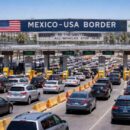
In addition to the internal travel disruptions, cross-border tourism to neighboring countries has also been severely impacted. Mexico shares borders with the United States, Guatemala, and Belize, and these crossings are essential for both trade and tourism. However, the escalating violence has led to the closure of several key border checkpoints, halting cross-border travel.
The United States and Mexico share an extensive border, with major points of entry at San Diego-Tijuana, El Paso-Juárez, and Laredo-Nuevo Laredo. The violence in northern Mexico has prompted temporary closures of several border crossings. These closures are affecting tourists who were planning to visit cities such as Tijuana, Monterrey, and other northern Mexican destinations. With checkpoints closed, travelers heading from the U.S. to Mexico are now unable to cross, causing disruptions to both tourism and local commerce.
In San Diego, travellers hoping to cross into Tijuana, a popular destination for food, shopping, and cultural experiences, are unable to do so due to the ongoing unrest in Tijuana and other parts of Baja California. Likewise, Laredo, a key border crossing point for travelers from Texas to Nuevo Laredo, is also temporarily closed. Authorities have advised travelers to reconsider any plans to visit the northern regions of Mexico until the security situation improves.
The border between Guatemala and Mexico, primarily at Tecún Umán and El Carmen, has also been impacted by the unrest. As road blockages and violent clashes affect the movement of people and goods, the checkpoints in Chiapas and Guatemala’s western region have been closed, leading to the suspension of cross-border tourism.
Many tourists visiting San Cristóbal de las Casas and other southern Mexican destinations often travel to and from Guatemala, particularly to the cultural cities of Antigua and Guatemala City. With the road blockages and checkpoint closures, travelers are now stranded at the border or unable to complete their cross-border journey.
The Belize-Mexico border, which connects the Yucatán Peninsula to Belize, has also experienced disruptions. The main crossing point at Corozal has been temporarily closed due to the unrest in northern Mexico. Tourists hoping to explore the Mayan ruins of Chichen Itza and Coba or visit the beautiful beaches along Mexico’s Caribbean coast from Belize are now facing challenges. With the border crossing shut down, travelers are unable to move freely between the two countries.
Beyond the airport and border closures, the situation in Mexico is further exacerbated by widespread road blockages. Key highways in several states, including Jalisco, Michoacán, Guanajuato, Puebla, Sinaloa, Tamaulipas, Guerrero, and Nuevo León, have been shut down, stranding tourists and preventing access to popular tourist destinations. The blockages have made it virtually impossible to travel between major cities, including Mexico City, Guadalajara, Cancún, and Puerto Vallarta.
For tourists already in Mexico, it is recommended to stay informed through local news outlets and government announcements. Those planning to travel by land or visit neighboring countries should postpone their travel plans until the situation stabilizes and road access is restored.
If you are currently traveling in Mexico or planning to visit, here are a few steps to take in response to the current crisis:
While the current unrest is a significant setback for Mexico’s tourism industry, the country remains a top global tourist destination. Once the security situation improves, Mexico’s rich cultural heritage, stunning landscapes, and vibrant cities will continue to attract millions of tourists from around the world. However, travelers are advised to stay informed and exercise caution when planning trips to Mexico in the coming weeks.
Advertisement
Tags: border checkpoints, Cancún, Cancún Mexico tourism, cross-border tourism closed Mexico, Guadalajara

















Monday, February 23, 2026

Monday, February 23, 2026

Monday, February 23, 2026
Monday, February 23, 2026

Monday, February 23, 2026

Monday, February 23, 2026

Monday, February 23, 2026

Monday, February 23, 2026