Published on February 25, 2026
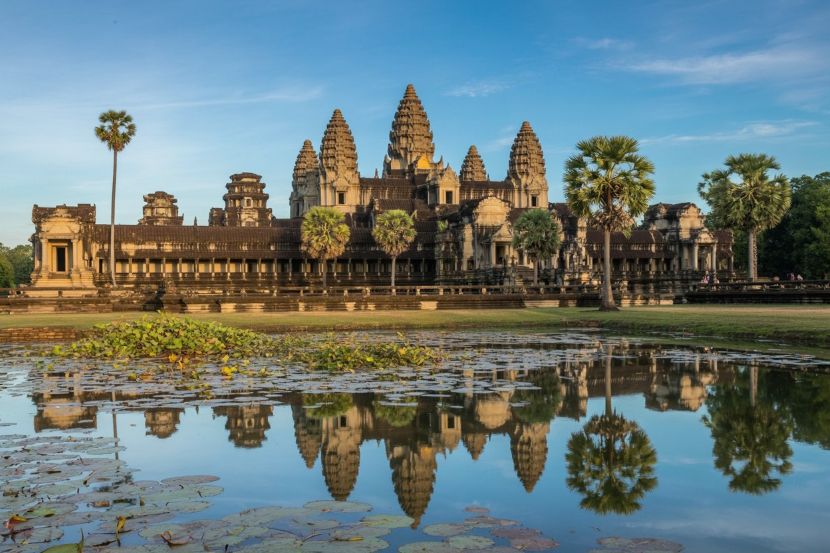
Image generated with Ai
The tourism sector in Cambodia, known for its rich cultural heritage and iconic landmarks such as Angkor Wat, is currently facing uncertainty due to an escalating border dispute with neighboring Thailand. Cambodian Prime Minister Hun Manet has expressed growing concern over Thailand’s continued military presence in disputed territories along their shared border. This unresolved conflict threatens to disrupt not only diplomatic relations but also Cambodia’s booming tourism industry, which relies heavily on international visitors drawn to its historical sites.
Cambodia’s tourism industry has flourished over the years, becoming a significant contributor to its economy. With the allure of ancient temples, vibrant cities, and serene landscapes, Cambodia has become a top destination in Southeast Asia. However, the ongoing border tensions between Cambodia and Thailand raise red flags for tourists who prioritize safety and stability in their travel plans. The Cambodian government has been actively engaged in diplomatic efforts, urging a peaceful resolution to the dispute in order to safeguard the nation’s tourism appeal.
The border dispute escalated in late 2025, when clashes erupted between Cambodian and Thai forces over a long-standing territorial disagreement. While a ceasefire agreement was reached soon after, Prime Minister Hun Manet pointed out that Thai forces had not fully withdrawn from areas that Cambodia considers part of its sovereign territory. This situation has sparked concerns among travelers who may hesitate to visit regions affected by such disputes, impacting both Cambodia’s reputation and the broader tourism landscape in Southeast Asia.
For Cambodia, which is heavily dependent on tourism for its economic growth, the stakes are high. Sites like Siem Reap, home to the world-renowned Angkor Wat, attract millions of tourists each year, making it one of the country’s most visited regions. The influx of visitors has fueled growth in local businesses, hospitality, and other sectors connected to the tourism industry. However, ongoing border conflicts with Thailand could deter international tourists, particularly those from Western countries who are wary of travel disruptions in politically unstable regions.
Advertisement
Advertisement
The Cambodian Ministry of Tourism has worked tirelessly to reassure international visitors that their safety is a top priority. The government has made it clear that they are closely monitoring the situation and have implemented measures to protect tourists while encouraging them to continue visiting Cambodia. Despite the challenges posed by the border dispute, Cambodia remains confident that its tourism industry will continue to thrive once the situation is resolved.
Thailand, which shares a significant portion of its tourism economy with Cambodia, is also feeling the ripple effects of the conflict. Popular destinations such as Bangkok, Chiang Mai, and the Thai Islands attract millions of international visitors each year. As tensions between the two nations escalate, both Cambodia and Thailand face the risk of losing valuable tourist dollars that fuel their economies. The mutual dependence on tourism underscores the need for both countries to find a resolution that ensures peace and stability, not only for their people but also for their visitors.
Advertisement
Advertisement
In response to these concerns, Hun Manet has called for greater dialogue between Cambodia and Thailand, urging both governments to prioritize diplomatic solutions over military confrontations. He emphasized the importance of maintaining a strong tourism sector, which is integral to both countries’ economies, and stressed that the shared cultural and historical ties should be the foundation for peace rather than conflict.
Tourism experts have also highlighted the importance of restoring confidence in the region. The resolution of this border dispute would send a positive message to international travelers, reinforcing Cambodia and Thailand’s positions as top cultural and historical destinations in Southeast Asia. With both nations historically drawing tourists for their rich heritage and stunning landscapes, resolving the dispute is crucial to ensuring that the region remains attractive to future generations of travelers.
Advertisement
Advertisement
The Cambodian government’s commitment to protecting its tourism industry is evident in its continuous efforts to promote its cultural heritage, even amidst these geopolitical challenges. From the bustling streets of Phnom Penh to the tranquil beaches of Sihanoukville, Cambodia offers an array of experiences that have captured the imaginations of travelers worldwide. Ensuring peace and stability at its borders will only enhance the country’s tourism appeal.
As diplomatic efforts continue to unfold, it is crucial that both Cambodia and Thailand find common ground to protect their shared tourism interests. A peaceful resolution to the border dispute will not only preserve the historical and cultural ties that attract millions of visitors each year but also foster long-term growth in the region’s tourism sector. For Cambodia, this means ensuring that its tourism economy remains strong, stable, and capable of withstanding external challenges. As both countries navigate this delicate situation, the global tourism community waits to see how they will come together to preserve the region’s future as a thriving travel destination.
Advertisement
Tags: Cambodia border dispute, Cambodia Thailand relations, Cambodia tourism, Cambodia travel, Thailand Tourism
















Wednesday, February 25, 2026

Wednesday, February 25, 2026

Wednesday, February 25, 2026

Wednesday, February 25, 2026

Wednesday, February 25, 2026

Tuesday, February 24, 2026

Wednesday, February 25, 2026

Wednesday, February 25, 2026