
Seattle, Vancouver B.C. and Anchorage See Alaska Cruise Demand While Yellowstone, Yosemite and More National Parks Become Favourite for Labor Day Travel

Published
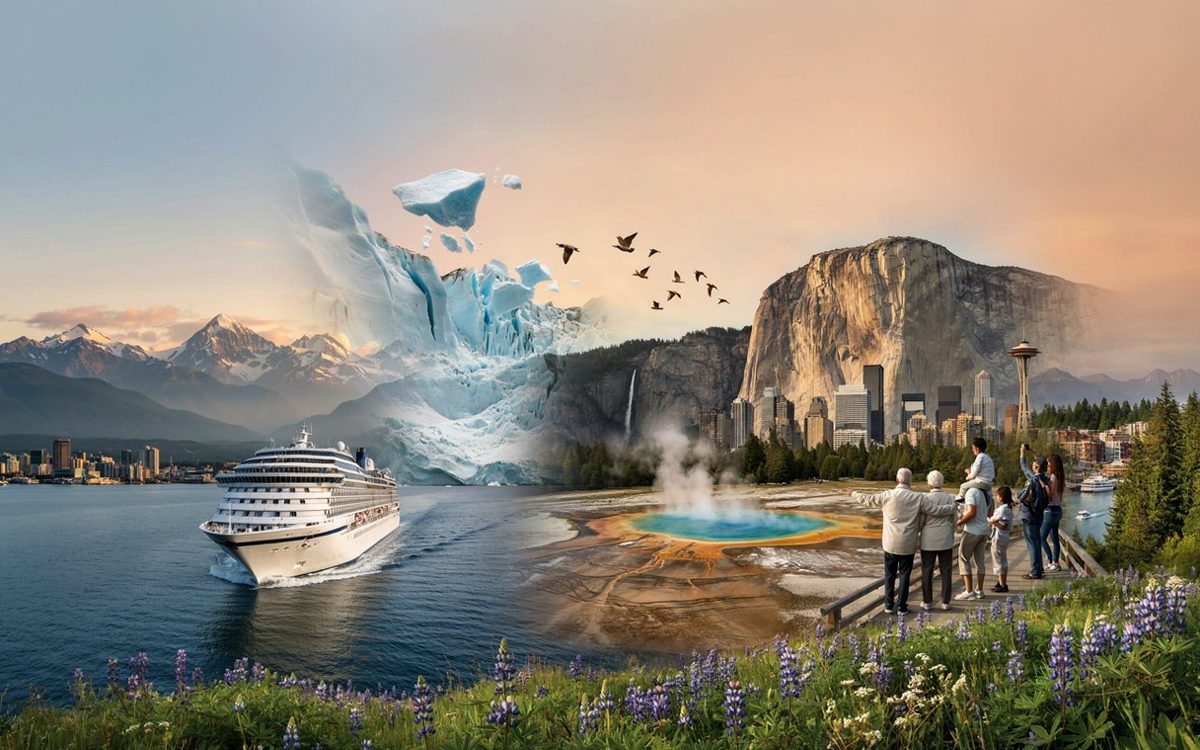
Image generated with Ai
Seattle, Vancouver B.C., and Anchorage are seeing Alaska cruise demand rise as Labor Day travel accelerates. Meanwhile, Yellowstone, Yosemite, and more national parks are becoming favourite escapes. As summer ends, travellers are choosing shorter road trips and outdoor holidays. However, rising domestic travel costs are reshaping decisions. Therefore, Alaska Cruise demand and National Parks interest reveal growing interest in experience-led travel. From Seattle and Vancouver B.C. gateways to Anchorage adventures, visitors are chasing spectacular scenery. At Yellowstone and Yosemite, travellers want nature, space, and unforgettable moments. This Labor Day, flexible travellers are finding new reasons to explore America’s iconic destinations.
As summer travel enters its final stretch, Oregonians are showing a strong preference for a mix of scenic cruises, domestic road trips, coastal escapes and iconic national parks for the Labor Day holiday. Booking and search data from AAA Oregon/Idaho indicates that Alaska cruises, national parks, Central Oregon, the Oregon Coast, Disneyland and Las Vegas are among the leading destinations for members preparing to travel over the final major holiday weekend of summer.
Advertisement
Advertisement
The pattern highlights an important feature of the Pacific Northwest travel market: while long-distance holidays remain attractive, many travellers continue to favour destinations that can be reached by road or combined easily with outdoor experiences.
Summary
- Alaska cruises lead Labor Day demand, with Seattle, Vancouver B.C., and Anchorage as major gateways.
- Yellowstone, Yosemite, and national parks attract travellers seeking nature, scenery, and fresh air.
- Rising domestic costs push travellers to compare destinations, prices, routes, experiences globally.
- Road trips offer flexibility, while cruises deliver memorable scenery and well-planned escapes, too.
- Labor Day travel could shape autumn as visitors seek value, space, and outdoor adventure during 2026.
Labor Day Signals the End of the Summer Travel Season
For the US travel industry, Memorial Day traditionally signals the beginning of the summer holiday period, while Labor Day represents its unofficial conclusion.
Advertisement
Advertisement
The holiday weekend can still produce a significant increase in travel demand compared with ordinary weekends in late August and September. However, overall travel volumes generally remain below the levels recorded around Memorial Day and Independence Day.
One major reason is the academic calendar.
Advertisement
Advertisement
With schools already back in session in many communities, or preparing to reopen immediately after the holiday, families with school-age children are increasingly inclined to choose shorter journeys. That makes nearby destinations particularly attractive to travellers who want a final summer break without committing to a lengthy holiday.
For travellers without school-age children, however, Labor Day can serve a different purpose.
The period marks the beginning of the autumn travel season, when cooler conditions, potentially smaller crowds and off-peak pricing can create opportunities for longer or more flexible holidays.
This seasonal transition is particularly relevant to Oregon, where residents have access to mountains, forests, coastline, cities and major outdoor attractions within relatively manageable travel distances.
Alaska Cruises Stand Out as a Major Choice
Among the strongest travel trends identified by AAA Oregon/Idaho is demand for Alaska cruises.
Alaska offers a particularly compelling combination of cruise convenience and outdoor scenery. Travellers can experience glaciers, coastal landscapes and wildlife while using a cruise ship as their accommodation and transport between destinations.
Advertisement
Advertisement
The timing of the Labor Day weekend can also make Alaska attractive.
According to Doreen Loofburrow, senior vice president of travel at AAA Oregon/Idaho, travellers are drawn to Alaska cruises because ships can be less crowded towards the end of the summer season. Although temperatures are generally cooler than during July and August, conditions can remain favourable for sightseeing and wildlife experiences.
The late-season timing also introduces another attraction: the possibility of seeing the first signs of autumn colour.
For Oregonians, Alaska cruises have an additional geographic advantage. Major embarkation and gateway cities such as Seattle and Vancouver, British Columbia, are accessible from the Pacific Northwest, making the journey easier to incorporate into a regional holiday plan.
Anchorage is also appearing among popular destinations, reinforcing the strength of Alaska-related travel demand.
Oregon Travellers Continue to Favour Close-to-Home Escapes
Despite strong demand for Alaska and other major destinations, the AAA data shows that many Oregonians are keeping their holiday travel relatively close to home.
Advertisement
Advertisement
Central Oregon and the Oregon Coast are among the leading regional destinations.
This preference reflects the geography and diversity of Oregon’s tourism offering. Central Oregon provides access to high-desert landscapes, mountain recreation and outdoor attractions, while the coast offers beaches, scenic drives, coastal communities and opportunities to experience the Pacific at the end of summer.
The convenience of domestic road travel is especially important during a holiday weekend. Travellers can avoid airports and potentially reduce the logistical complexity associated with longer journeys.
For families facing school schedules, this flexibility can be decisive.
A trip to the Oregon Coast or Central Oregon can be completed over a long weekend while still providing a meaningful change of scenery.
Portland Remains a Key Regional Destination
Portland also features prominently among the regional choices for AAA Oregon/Idaho members.
Advertisement
Advertisement
The city’s position as a major population and transportation centre makes it both a destination in its own right and a potential starting point for wider Oregon travel.
The broader regional list includes Central Oregon, Portland, the Oregon Coast, Medford/Ashland, Boise, Billings and Redding.
The destinations illustrate how travellers from Oregon and neighbouring areas are combining urban visits with access to outdoor attractions.
Medford and Ashland, for example, provide access to southern Oregon’s landscapes and cultural attractions. Boise offers a major urban destination within driving range, while Billings and Redding can serve as gateways to wider outdoor and national park itineraries.
The pattern also demonstrates the continued importance of the road-trip economy to Pacific Northwest tourism.
National Parks Remain a Major Labor Day Attraction
National parks are another major component of Labor Day travel demand.
Advertisement
Advertisement
The combination of a public holiday, relatively favourable late-summer weather in many western destinations and access by road makes national parks particularly appealing.
AAA Oregon/Idaho members are showing interest in destinations including Bryce Canyon National Park, Crater Lake National Park, Glacier National Park, Lassen Volcanic National Park, Olympic National Park, Yellowstone National Park, Yosemite National Park and Zion National Park.
Several of these destinations can be incorporated into road-trip itineraries from Oregon or neighbouring states.
That makes the national park trend particularly significant for regional tourism businesses. Accommodation providers, restaurants, fuel stations, tour operators and attractions along major travel corridors can all benefit from increased visitor movement around the holiday.
For travellers, however, national park visits require more planning than a conventional city break.
Popular parks can experience substantial demand during holiday weekends, meaning visitors need to consider accommodation availability, road conditions, parking, entry requirements and the time required to travel between attractions.
Advertisement
Advertisement
The appeal is nevertheless clear: national parks provide an opportunity to close the summer season with an outdoor experience at a time when temperatures in many western destinations begin to moderate.
Disneyland and Las Vegas Keep Their Popularity
Not every leading destination is focused on nature.
Disneyland and Las Vegas remain perennial favourites among AAA Oregon/Idaho travellers.
Their continued presence demonstrates the diversity of demand during the Labor Day period.
Disneyland offers a family-oriented holiday experience, making it a natural choice for travellers seeking theme parks and entertainment. Las Vegas, meanwhile, attracts a broad mix of leisure travellers with its hotels, dining, entertainment, attractions and nightlife.
These destinations also illustrate the different motivations behind Labor Day travel.
Advertisement
Advertisement
Some travellers are looking for outdoor adventure and scenery, while others prioritise entertainment, attractions and resort experiences.
Travel Costs Are Higher in Several Major Categories
The popularity of travel does not mean that the 2026 Labor Day holiday is inexpensive.
AAA Oregon/Idaho reports that domestic flights, hotels, cruises, tours and petrol are more expensive this year than in 2025.
That increase creates an important consideration for travellers planning last-minute or peak-period holidays.
Higher accommodation and transport costs can significantly affect the overall price of a holiday, particularly when several family members are travelling together.
Cruises may also involve additional costs beyond the advertised fare, including transportation to the embarkation city, excursions, onboard spending and accommodation before or after the sailing.
Advertisement
Advertisement
Road trips face their own cost pressures because petrol prices are higher than a year earlier, according to the AAA data referenced in the travel outlook.
However, not every category has become more expensive.
Rental cars and international flights are cheaper than they were in 2025, creating opportunities for travellers who remain flexible about their destination and transport arrangements.
The difference between domestic and international airfare trends could encourage some travellers to consider an overseas holiday rather than assuming that staying within the US will automatically be cheaper.
Seattle and Vancouver Strengthen the Alaska Cruise Connection
The appearance of Seattle and Vancouver among the leading regional and international destinations is particularly relevant to the Alaska cruise market.
Both cities function as major gateways for Alaska sailings, connecting Pacific Northwest travellers with one of the world’s most recognisable cruise itineraries.
Advertisement
Advertisement
This creates a broader economic effect.
A passenger travelling from Oregon for an Alaska cruise may spend money not only on the cruise itself but also on transport, hotels, restaurants and attractions before departure.
Seattle and Vancouver can therefore benefit from the wider cruise ecosystem even when the traveller’s primary holiday objective is Alaska.
For Oregon’s tourism industry, the relationship is equally significant because local travellers are contributing to demand beyond the state’s borders while still using regional transportation networks.
A Changing Travel Pattern as Autumn Approaches
The Labor Day travel picture also provides an early indication of how tourism demand could evolve through autumn.
As temperatures decline and summer crowds ease, travellers may become more interested in scenic drives, national parks, coastal destinations and shoulder-season cruises.
Advertisement
Advertisement
The shift is not necessarily about reduced travel.
Instead, it represents a change in the type of travel being sought.
Families constrained by school calendars may return to shorter weekend journeys, while couples, retirees and other flexible travellers can take advantage of quieter periods and potentially lower prices after the summer peak.
For destinations across Oregon, this creates an opportunity to extend the tourism season beyond the traditional summer months.
The Oregon Coast, Central Oregon and outdoor attractions can continue attracting visitors as long as weather conditions remain favourable, while cities such as Portland can benefit from year-round leisure and business demand.
Labor Day Could Also Drive Future Holiday Planning
AAA Oregon/Idaho’s travel data carries another message for consumers: Labor Day is not only a time to take one final summer trip.
Advertisement
Advertisement
It is also a useful point to begin planning future travel.
The autumn period provides an opportunity to research and reserve Thanksgiving, Christmas and New Year travel, while early planning can also help travellers prepare for trips during the following spring and summer.
Advance booking can be particularly important for popular cruises, major national parks and high-demand family destinations.
For Alaska cruises, planning ahead may provide travellers with a broader choice of sailing dates, cabins and itineraries. National park travellers can similarly benefit from researching accommodation and access requirements well before peak periods.
“Seattle, Vancouver B.C., and Anchorage are seeing the benefits of strong Alaska cruise interest, while Yellowstone, Yosemite, and other National Parks continue to demonstrate the power of nature-based tourism. This Labor Day pattern is particularly significant because travellers are balancing memorable experiences with convenience and changing costs. Alaska cruises offer spectacular scenery and structured itineraries, while national parks provide flexibility for road-trip travellers. The continued popularity of these destinations reflects a healthy appetite for domestic and regional exploration. For the travel industry, this creates opportunities across cruises, aviation, accommodation, attractions, car rentals, and local tourism businesses as summer transitions into autumn.”
— Anup Kumar Keshan, Founder and Editor-in-Chief, Travel And Tour World
Advertisement
Advertisement
Oregon’s Travel Market Reflects a Blend of Adventure and Convenience
The destinations topping the AAA Oregon/Idaho list reveal a travel market balancing two priorities: the desire for memorable experiences and the need for practical, manageable travel.
Alaska cruises provide dramatic scenery and a structured holiday experience. National parks offer outdoor adventure. Central Oregon and the Oregon Coast provide relatively convenient regional escapes. Disneyland and Las Vegas deliver established entertainment and leisure experiences.
The mix also demonstrates why Oregon remains closely connected to the wider western US tourism network.
Travellers can move between coastal, mountain, desert, urban and international destinations without necessarily undertaking extremely long journeys.
What the Labor Day Data Means for Travellers
For Oregonians planning a final summer escape, the data suggests that there is no single dominant type of holiday.
Instead, demand is spread across cruises, road trips, national parks, entertainment destinations and regional getaways.
Advertisement
Advertisement
Travellers seeking Alaska should consider the seasonal advantages of late-summer cruising, while those choosing national parks should plan carefully for holiday-weekend demand.
People prioritising affordability may also want to compare travel categories rather than assume that one option will automatically offer the lowest price. With domestic flights, hotels, cruises, tours and petrol costing more than last year, while international flights and rental cars are cheaper, flexibility could make a meaningful difference to the final holiday budget.
Ultimately, the Labor Day travel choices of AAA Oregon/Idaho members highlight the strength and diversity of the Pacific Northwest travel market.
As summer gives way to autumn, Oregonians are still travelling — but increasingly with a combination of scenic experiences, shorter regional breaks, outdoor destinations and carefully selected long-distance holidays.
The growing interest in Alaska cruises and National Parks is being driven by several factors. First, Labor Day offers travellers one final opportunity for a summer escape before regular routines fully return. Second, Alaska remains attractive because late-season cruises can offer scenic wildlife encounters, cooler conditions, and potentially fewer crowds. Meanwhile, Yellowstone, Yosemite, and other National Parks appeal to travellers seeking outdoor experiences without international travel. In addition, Seattle, Vancouver B.C., and Anchorage provide important access points for Alaska itineraries. Finally, changing travel prices are encouraging consumers to compare options carefully, making flexible road trips and nature-based holidays increasingly appealing during the holiday weekend.
The Labor Day travel surge places Seattle, Vancouver B.C., and Anchorage within the Alaska Cruise story, while Yellowstone, Yosemite, and more National Parks capture growing demand for outdoor escapes. The cause is clear: travellers want memorable experiences, manageable journeys, and cooler seasonal conditions. The answer is a diverse holiday market spanning cruises, road trips, family attractions, and nature-focused breaks. The reason is equally straightforward: flexibility helps travellers respond to changing prices and schedules. Consequently, Alaska Cruise itineraries and National Parks remain compelling choices. As Labor Day closes summer, these destinations could help shape travel patterns well into autumn and beyond.
Advertisement
