
Canada Leads Arctic Tourism With New Strategic Alliances Linking Economic Growth To Polar Sovereignty

Published
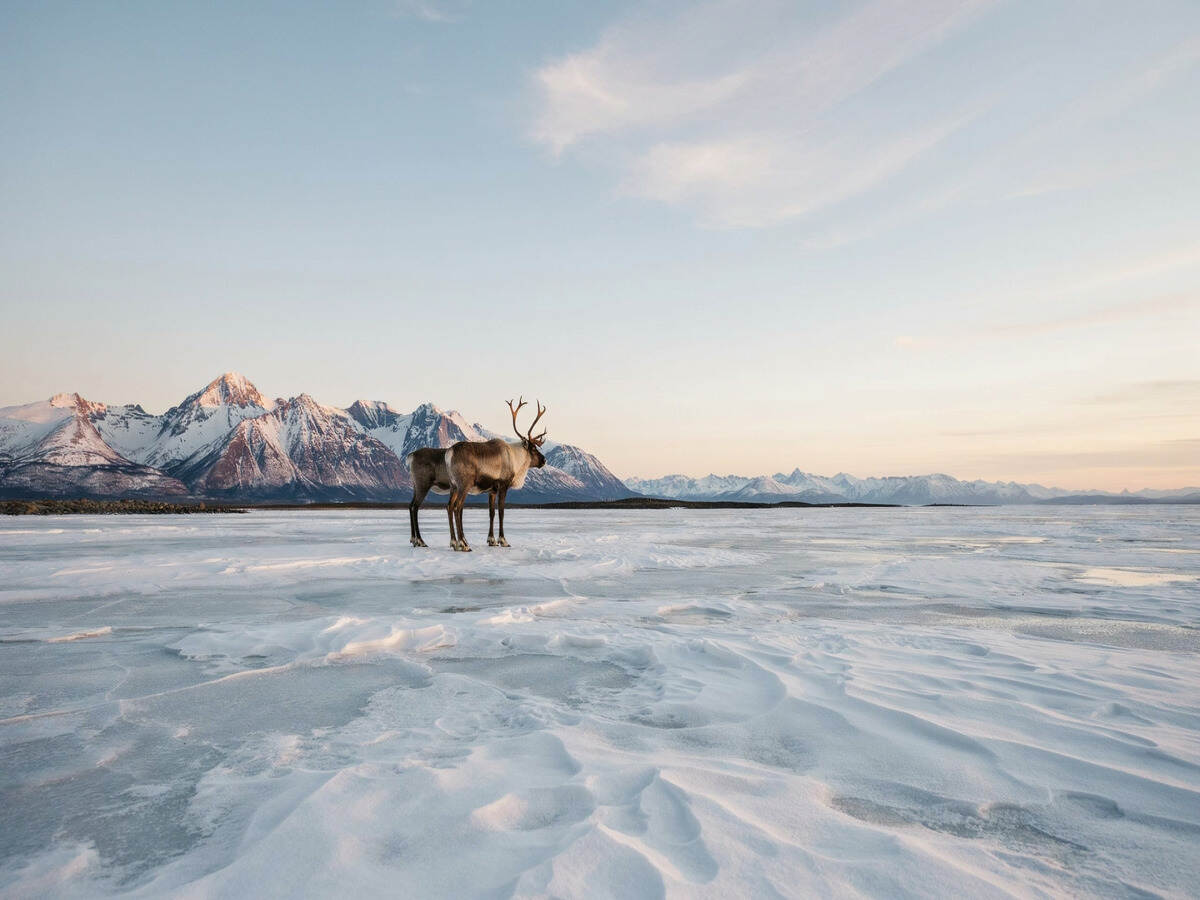
Canada makes alliances in the Arctic, connecting tourism and growth in the north with sovereignty of the region. The relationship between geopolitics, the transformation of climate, and economic development is influencing the way states view their northernmost territories all around the globe. In the heart of such change lies Canada, creating an innovative example of the combination of territory security and sustainable economic development. Through building multi-territorial relations, developing dual-use infrastructure, and putting Indigenous leadership into the center of tourist industry, Canada has created its own concept of polar tourism, showing that successful tourist industry is a great guarantor of sovereignty.
The Reykjavík Catalyst: Reframing the North as a Living Homeland
The momentum behind Canada’s modern Arctic strategy gained worldwide attention during the Arctic Circle Assembly in Reykjavík, Iceland. Speaking to an international audience of circumpolar leaders, diplomats, and policy experts, Canadian Foreign Affairs Minister Anita Anand articulated a fundamental shift in how Ottawa views the Far North.
- A Homeland First, a Frontier Second: Rather than treating the polar expanse merely as a strategic buffer or a wilderness for resource extraction, Canadian policy explicitly recognizes the region as a vibrant, living homeland for Indigenous populations and Northern residents.
- Security Through Community Strength: National defense in the 21st century extends beyond military deployment; it relies on resilient, economically self-sustaining communities that actively occupy and steward their traditional territories.
- Aligning Foreign and Domestic Policy: The summit highlighted how Canada’s foreign policy goals—ranging from NATO commitments to climate monitoring—are fundamentally linked to the economic wellness of its territorial jurisdictions.
Strategic Alliances: Unifying the Territorial North
Central to Canada’s leadership is a collaborative approach that breaks down traditional administrative silos across Yukon, the Northwest Territories (NWT), and Nunavut. Through pioneering frameworks like the Arctic Canada Tourism Network (ACTN), the region presents a unified, formidable presence on the global stage.
| Strategic Alliance Pillar | Primary Objective | Key Impact & Governance |
| Unified Brand Identity | Present the Canadian Arctic as a cohesive, world-class destination. | Prevents inter-territorial competition and pools global marketing resources effectively. |
| Sovereignty Integration | Align economic development with territorial defense and policy. | Ensures visitor dollars support local presence, maritime monitoring, and search-and-rescue capacity. |
| Circumpolar Cooperation | Partner with international groups like the Arctic Europe Tourism Cluster (AETC). | Establishes high-latitude safety standards, cold-weather hospitality training, and joint environmental protocols. |
This multi-territorial alliance creates a unified front that advocates for northern needs, negotiates directly with international travel markets, and ensures that tourism growth directly reinforces regional stability.
Advertisement
Advertisement
Targeted Financial Investments: Empowering Local Enterprises
To turn high-level strategy into tangible economic growth, the federal government channels targeted capital through the Canadian Northern Economic Development Agency (CanNor). These financial grants bypass non-northern intermediaries, delivering support straight to the grassroots operators who form the backbone of the Arctic economy.
Key Funding Channels & Initiatives
- ◈ Global Cultural Campaigns: Capital injections support major promotional drives—such as Spectacular NWT—that showcase authentic cultural heritage directly to high-value international travelers.
- ◈ Inuit-Owned Outfitters: Direct grants assist local operators, like Arctic Bay Adventures, in purchasing specialized safety equipment, all-terrain transport, and modern digital booking infrastructure for high-latitude floe-edge expeditions.
- ◈ Grassroots Micro-Grants: Programs like Yukon’s “Spark” Micro-Grant seed emerging entrepreneurs, enabling locals to launch niche wilderness guiding, artisan crafts, and aurora-viewing ventures.
- ◈ Heritage & Visitor Infrastructure: Investments upgrade key cultural touchpoints, including the Unikkaarvik Visitor Centre in Iqaluit, providing educational orientation for tourists and preserving local heritage for community members.
Dual-Use Infrastructure: Where Security Meets Visitor Access
Developing a thriving tourist economy in the remote North requires physical access—an imperative that aligns seamlessly with national defense and sovereignty requirements. Under Canada’s broader Arctic priorities, capital projects are designed through a “dual-use” lens, serving both national security objectives and civilian transportation needs.
Advertisement
Advertisement
- Upgraded Remote Airfields: Extending and paving runways in high-latitude settlements ensures all-weather operational readiness for military transport while simultaneously enabling scheduled commercial flights and expedition charter jets.
- Deep-Water Ports & Maritime Facilities: Marine infrastructure developed for naval patrol ships provides essential docking, fueling, and waste-handling facilities for regulated polar cruise vessels.
- Advanced Telecommunications: Expanding high-speed satellite networks and fiber connectivity across northern settlements improves early-warning defense systems while providing visitors and local businesses with reliable communication tools.
- Emergency & Search-and-Rescue Readiness: Strengthening local logistical hubs enhances emergency response capabilities across vast maritime corridors, making wilderness travel significantly safer for eco-explorers and researchers alike.
Sustainable & Regenerative Travel: Protecting the Fragile Polar Ecosystem
Mass tourism poses distinct environmental risks to delicate Arctic ecosystems. Canada’s strategic framework explicitly rejects high-volume, low-margin travel models in favor of controlled, high-value, regenerative travel that safeguards pristine environments for future generations.
- Strict Marine & Wildlife Regulations: Mandatory operational codes dictate vessel distance, noise levels, and passenger group sizes near sensitive wildlife habitats, marine sanctuaries, and ice-edge ecosystems.
- Low-Impact Expedition Travel: Tourism operators are vetted to ensure low carbon footprints, strict waste management systems, and complete adherence to Leave-No-Trace principles across terrestrial trails and polar sea routes.
- Maximum Economic Retention: Regulatory frameworks incentivize operators who employ local guides, source regional foods, and utilize Indigenous supply chains, ensuring that tourism revenue remains inside the North rather than siphoned off by external corporations.
Indigenous-Led Governance: The Foundation of Northern Sovereignty
At the core of Canada’s Arctic leadership is the recognition that true regional sovereignty rests upon Indigenous self-determination. With First Nations, Inuit, and Métis populations representing over half the populace in Canada’s Arctic territories, policy co-development ensures that local stewards guide every stage of tourism development.
Advertisement
Advertisement
Principles of Indigenous-Led Polar Tourism
- ✦ Co-Designed Policy: Territorial and federal tourism guidelines are crafted alongside Inuit Tapiriit Kanatami (ITK) and local land-claim organizations to honor traditional land-use agreements.
- ✦ Authentic Cultural Ownership: Indigenous communities retain complete authority over how their stories, traditions, languages, and artistic heritage are shared with international guests.
- ✦ Environmental Stewardship: Traditional Knowledge (Inuit Qaujimajatuqangit) guides seasonal travel routes, protecting traditional hunting grounds and sacred cultural sites from human disruption.
A Benchmark for the Global High North
Canada creates alliances in the Arctic through integrating northern tourism, northern infrastructure, and northern development into its efforts of polar sovereignty.
In creating a link between economic development and polar sovereignty, Canada has created a global benchmark for managing the Arctic region. By creating territorial alliances, making appropriate economic investments in the local economy, building dual use infrastructure, and being committed to Indigenous leadership, Canada has shown that polar security and tourism are not conflicting, but complementary concepts.
Advertisement
