
USA Joins Barbados and Other Countries to Empower Spectacular Eco Catamaran Snorkelling Tours

Published
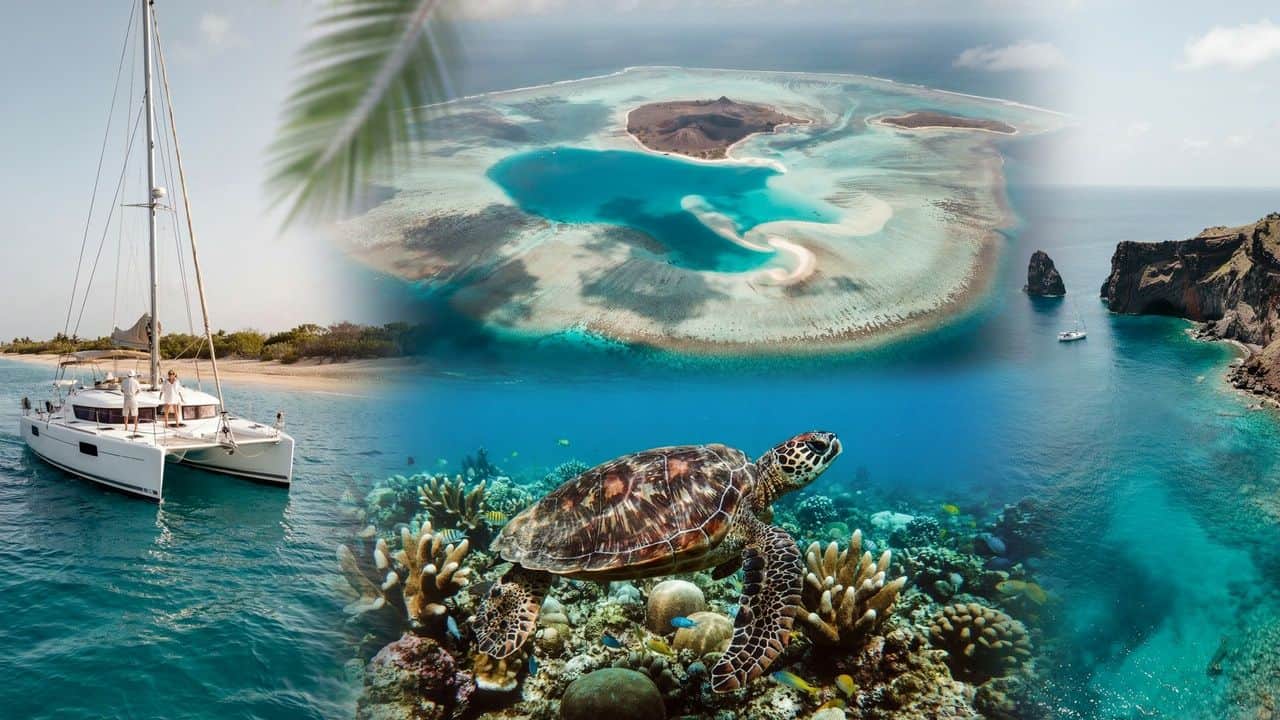
USA, Barbados, Australia, and France are recent additions to countries offering eco-catamaran snorkelling tours. These tours provide access to remote locations while minimising the ecological impact. Furthermore, official statistics demonstrate that there is an increasing demand for low-impact coastal sailing trips close to vulnerable coral reefs.
Several tourism departments have noted an increased demand for permits to view and interact with wild marine animals that are under protected status. Visitor numbers must be controlled so that the fragile ecosystems are not adversely impacted.
Some government agencies have begun to enforce limits on the number of passengers allowed in protected coastline areas.
These policies reflect a shift towards sustainable development and ecosystem protection for sustained commercial use.
Advertisement
Advertisement
Most Marine parks around the world, that have adopted these new ecosystem management frameworks, have noted positive changes and increased the resiliency of coral reefs. Most travelers prefer to hire a certified green operator over an un-certified vessel. Management frameworks have resulted in increased responsibility of operators and high visitor satisfaction due to enhanced wildlife viewing.
The South Maui Coastal Management Model
Commercial sailings off South Maui demonstrate effective coastal management principles within protected waters. Operators at Wailea-Mākena feature direct beach-loading procedures into coastal surf zones. Ocean catamarans navigate towards protected marine life conservation districts near Molokini Crater. State officials limit commercial permits to prevent anchor damage on sensitive benthic habitats. Vessels utilize designated mooring buoys established by state environmental protection agencies. Guided excursions transport passengers to Turtle Town to observe native green sea turtles in their habitat.
Advertisement
Advertisement
These animals, known locally as honu, receive comprehensive legal protection under state laws. Official wildlife surveys indicate stable turtle populations inside monitored sanctuary zones. Certified guides deliver comprehensive safety briefings prior to allowing swimmers into the water. Touching or pursuing marine life remains strictly prohibited under local administrative rules. Tour companies collaborate with local marine biologists to collect continuous environmental data. This operational model demonstrates how commercial tourism can actively support scientific conservation goals. Visitors gain educational value while contributing directly to local marine monitoring efforts. Tourism officials report high visitor compliance with environmental safety guidelines.
Australia’s Protected Reef Sailing Frameworks
Ningaloo Coast World Heritage Area Oversight
Western Australia hosts a prominent international framework for sustainable marine tour management. The Department of Biodiversity Conservation and Attractions manages the Ningaloo Coast World Heritage Area. Licensed sailing catamarans depart daily from Coral Bay and Exmouth into shallow lagoon waters. These vessels deliver snorkelers directly to one of the world’s largest fringing coral reefs. Swimmers observe green loggerhead and hawksbill sea turtles feeding along healthy reef flats. Manta rays and seasonal whale sharks also frequent these protected ocean corridors. State wildlife officers enforce strict distance buffer zones between swimmers and marine animals. Tour operators must obtain environmental accreditation before securing commercial operating licences. Independent marine monitors conduct unannounced inspections to ensure full regulatory compliance. Official data shows excellent reef health preservation despite expanding coastal visitor numbers.
Great Barrier Reef Marine Park Controls
The Great Barrier Reef Marine Park Authority governs extensive protected green zones in Queensland. Commercial catamarans sail from Airlie Beach and Hamilton Island across the Whitsunday Islands. Excursions guide snorkelers through protected reef locations near Hook Island and Hardy Reef. Marine park rules strictly prohibit anchoring within sensitive coral nursery areas. Vessel operators use heavy-duty public moorings maintained by environmental authorities. Snorkelers observe giant clams hard coral formations and diverse Indo-Pacific fish species. Tour companies pay environmental management charges that fund active reef monitoring programmes. These levies support ongoing scientific research and coral rehabilitation initiatives. Government reports confirm strong ecological resilience across heavily visited Whitsunday sites.
Caribbean Marine Sanctuaries in Barbados and Martinique
Folkestone Marine Reserve in St James
In Barbados the National Conservation Commission manages commercial operations along the western coastline. Ocean catamarans navigate calm Caribbean waters toward Folkestone Marine Reserve in St James. Vessels anchor exclusively over designated sandy moorings away from sensitive coral structures. Guided snorkelling excursions allow visitors to explore protected shallow marine trails and shipwrecks. Endangered hawksbill and green sea turtles forage naturally along vibrant coastal seagrass beds. Dedicated reserve wardens inspect commercial vessels daily to ensure environmental standards remain high. Educational programmes inform travellers about fragile coastal habitats and sea turtle conservation. Government surveys record stable nesting activity near designated marine park zones.
Martinique Coastal Ocean Stewardship
The Parc Naturel Marin de Martinique regulates marine excursion activities across territorial waters. Commercial catamarans depart from Pointe du Bout and Trois-Îlets toward volcanic coastal coves. Snorkelers access protected ocean areas within the AGOA Marine Mammal Sanctuary. Excursions near Anse Noire offer safe views of green sea turtles and vibrant coral formations. Regional regulations enforce maximum daily visitor quotas to minimise ecological disruption. French maritime authorities conduct routine marine patrols to verify operator compliance. Coastal protection policies preserve water clarity and support biodiversity growth.
Global Marine Sanctuary Operational Governance
Marine management authorities employ standardised conservation tools to protect delicate aquatic ecosystems.
Advertisement
Advertisement
| Destination | Managing Authority | Primary Ecosystem Focus | Primary Wildlife Species | Key Operational Mandate |
| South Maui (USA) | DLNR / NOAA | Coral Reefs & Canyons | Hawaiian Green Sea Turtle | Mandatory Mooring Buoy Usage |
| Ningaloo Coast (Australia) | DBCA Western Australia | Fringing Coral Reefs | Green & Hawksbill Turtles | Strict Swimmer Distance Rules |
| Whitsundays (Australia) | GBRMPA | Offshore Barrier Reefs | Green Turtle & Giant Clam | Protected Green Zone Enforcement |
| Folkestone Reserve (Barbados) | National Conservation Commission | Shallow Seagrass Trails | Hawksbill & Green Turtles | Designated Anchoring Controls |
| Martinique Sanctuary (France) | Parc Naturel Marin / AGOA | Coastal Volcanic Coves | Green Turtle & Dolphins | Strict Daily Passenger Caps |
Public authorities prioritise habitat conservation over unrestricted commercial fleet growth. Formal partnerships between park rangers and catamaran crews improve daily environmental monitoring. Tour crews submit regular marine sightings data to national marine biological databases. Commercial sailing fleets increasingly adopt hybrid electric propulsion systems to reduce vessel carbon footprints. Lower engine noise reduces stress levels for feeding sea turtles and marine mammals.
Industry Growth and Future Outlook
Global tourism organizations study the economic results of regulated ocean adventures. According to UN Tourism, there is an increasing demand for certified sustainable ocean travel. The World Travel and Tourism Council supports marine reserve protection as essential critical infrastructure. Coasts managed on a sustainable basis result in economically beneficial outcomes for local island communities. Solutions that require mandatory fees from passengers provide funding for the restoration of coral reefs.
Some marine reserves have been found to experience faster ecological recovery after racial disturbances. It is expected that many national tourism boards will create expanded marine protected areas over the next ten years. Collaborative efforts help harmonise the operational specifications of eco-certified vessels throughout different regions. Passenger trust and environmental outcomes both benefit from the harmonised Framework.
The goal of conservation of vulnerable marine ecosystems is achieved with a protective structure suitable for commercial ocean sailing. Sustainable eco catamaran snorkel tours provide an operational framework from which other ocean tourism operators can learn. Environmental regulations and marine ecosystems protection have both been prioritised by government bodies. The International efforts of conservation aimed primarily at protecting Coral reefs are guaranteed to provide sustainable long-term protection.
Advertisement
