
Vietnam And Maldives Now Top Alternatives to Thailand Beach Holidays
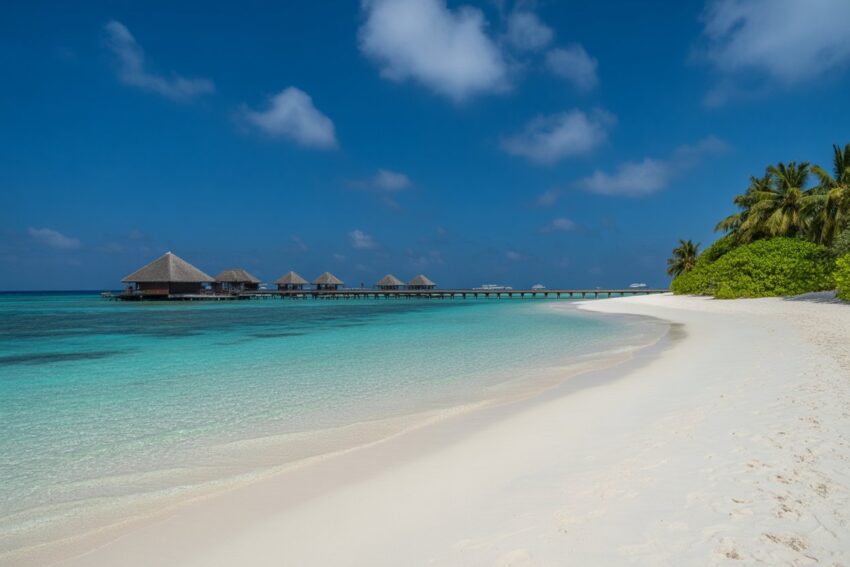 Image generated with Ai
Vietnam and the Maldives are fast emerging as two of the most compelling alternatives to Thailand for beach holidays, offering sun‑soaked coastlines, pristine waters and immersive coastal experiences that are capturing the attention of global travellers. Vietnam’s Phu Quoc Island and the Maldives’ coral atolls are drawing rising interest from holidaymakers seeking both relaxation and adventure, signalling a shift in beach tourism preferences away from long‑established Thai hotspots.
Vietnam’s New Coastal Star: Phu Quoc Island Beckons Beach Lovers
The government tourism agencies — including the Vietnam National Authority of Tourism — have been promoting Phu Quoc as a premier beach destination, highlighting its white‑sand beaches, warm tropical waters and diverse coastal scenery. Phu Quoc has become known for its broad stretches of soft sand, calm shallow bays perfect for swimming, and vibrant aquatic life that makes snorkelling and diving unforgettable.
Government information emphasises that Phu Quoc Island encompasses a range of beach experiences, from peaceful retreats to lively seaside hubs, supported by local hospitality and cultural attractions that make it ideal for family trips, honeymooners and solo travellers alike. The official Vietnam Tourism guides also note that Phu Quoc’s natural environment extends beyond beaches to include lush national parks and opportunities for eco‑adventure exploration.
Maldives: New Ocean Paradise With World‑Renowned Beaches
The Republic of Maldives, supported by the official Ministry of Tourism and Environment, remains one of the world’s quintessential beach destinations, beloved for its coral‑ringed atolls, sapphire waters and luxury resort experiences. The government’s tourism planning and visitor information promote a range of stays, from overwater villas to local island guesthouses that offer deep cultural immersion and direct access to the Indian Ocean.
Advertisement
Advertisement
Maldives’ beaches, including iconic white sands and dazzling reefs, are not just visually stunning; they also support supreme water sports, surfing, snorkelling and sunset cruising activities that appeal to a diverse spectrum of travellers. Government‑linked tourism messaging underscores the nation’s free‑visa or easy visa‑on‑arrival policies for many visitors, enhancing accessibility for international markets.
Why Tourists Are Looking Beyond Thailand for Sun, Sand and Experiences
Long regarded as one of Southeast Asia’s most popular beach destinations, Thailand has dominated the tropical beach holiday scene for decades. However, changing traveler preferences for less crowded, more pristine and culturally distinctive shorelines are pushing holidaymakers to explore fresh alternatives such as Vietnam’s islands and the Maldives’ atolls.
Advertisement
Advertisement
According to tourism industry surveys, Vietnam has surged ahead of other destinations — including the Philippines, Indonesia and Malaysia — as a preferred beach holiday alternative, with its growing international visitor numbers underscoring global interest in its coastal offerings.
Phu Quoc’s New Role in Asia’s Rising Coastal Tourism Scene
The official Vietnam Tourism site highlights multiple beach zones across Phu Quoc that cater to different travel styles, whether visitors seek family‑friendly stretches or secluded coves away from mainstream crowds. Its coastal biodiversity, local seafood cuisine, and sunset views along tranquil western beaches have become signature attractions that draw photographers and relaxation seekers alike.
Advertisement
Advertisement
Vietnam’s broader coastal belt, from the golden sands of Da Nang to the quieter beaches of central Vietnam’s bays and islands, adds depth to its appeal for beach lovers. Governmental travel planning advice further encourages integrated itineraries that blend seaside relaxation with cultural immersion and nature excursions.
Maldives’ Latest Sustainable Beach Tourism Strategies
Maldives’ tourism governance under the Ministry of Tourism and Environment emphasises both conservation and high‑value tourism growth. With hundreds of islands designated for tourism activity, the nation’s strategic approach seeks to balance environmental stewardship with economic benefits from global visitor demand.
The Maldives’ unique geography — a spread of atolls with safe lagoons and marine sanctuaries — continues to attract honeymooners, luxury travelers and water sport enthusiasts. Government guidance for visitors often underscores best months to travel, expected climatic conditions and responsible tourism practices to respect island ecosystems.
Affordability and Accessibility: Key Factors in the New Beach Holiday Shift
Both Vietnam and the Maldives are expanding connectivity with major international markets, making beach holiday travel more affordable and accessible than ever. Vietnam’s expanding e‑visa regime and regional flight networks help simplify travel planning for visitors seeking coastal escapes without the intense crowds found in longer‑established beach resorts.
Advertisement
Advertisement
The Maldives’ policy of offering extended stays with attractive visa conditions and a wide range of accommodation options enables visitors to tailor their journeys — from affordable local island inns to ultra‑luxury resorts with private beaches and personalised services.
What This Latest Trend Means for Global Beach Travel
As 2026 approaches, travel demand patterns suggest a broadening of preferences for beach holiday destinations that combine natural beauty, cultural richness and personalised experiences. Vietnam’s coastal gems and the Maldives’ dream‑like atolls are at the forefront of this evolution, reshaping how holidaymakers around the world plan their sun, sand and sea escapes.
For travellers reimagining their perfect beach getaway beyond Thailand’s well‑known shores, Vietnam and the Maldives offer compelling alternatives — blending untouched natural landscapes, warm hospitality and authentic coastal charm that many say are defining the new standard for tropical beach adventures.
Advertisement
