
Japan Reveals Essential Typhoon Safety Rules Every Oshima Visitor Must Know

Published
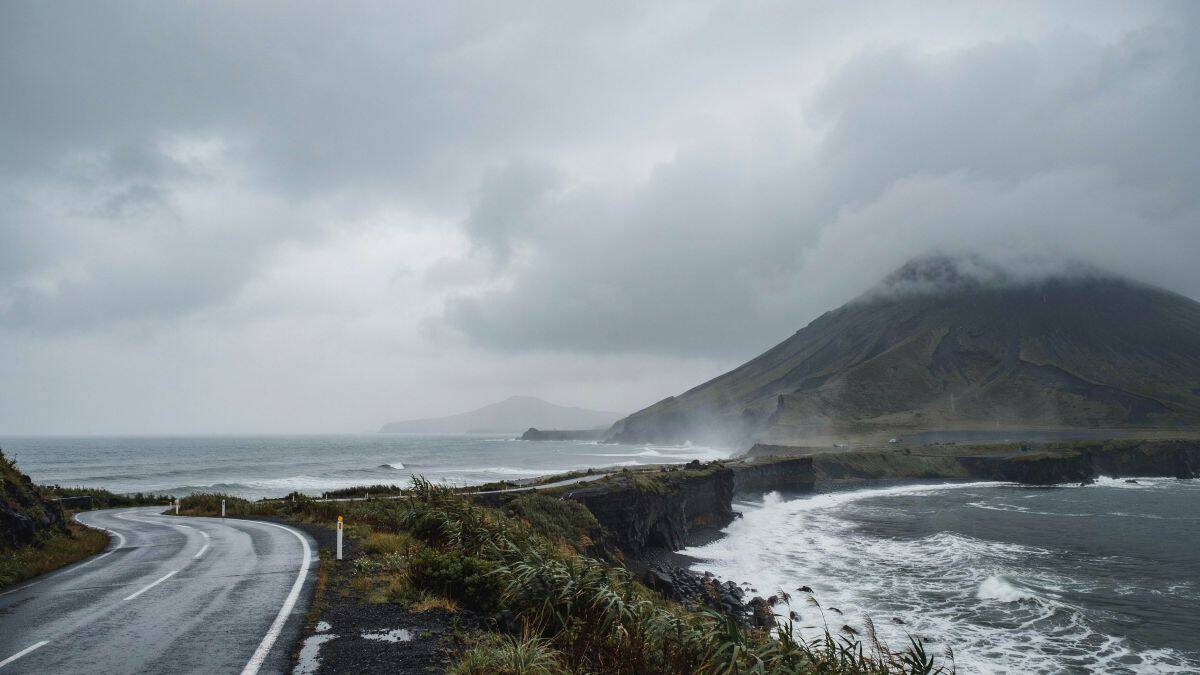
Safety rules for the typhoons in Japan are always mentioned to every tourist visiting Oshima due to any risky weather conditions. Thus, the tourists should know about all the announcements issued by the authorities prior to their leaving hotels for boarding the ferries. In Japan Visitor Center, there is a hot line where assistance in English, Chinese, and Korean languages is provided to the tourists round the clock. It will be helpful for the tourists in case of emergency, illness, and natural calamities.
Oshima Brings Japan Storm Travel Risks Into Sharp Focus
Tokyo’s island communities became the centre of official emergency action during Typhoon No. 25. On 21 September 2026, the Tokyo Metropolitan Government announced that disaster-relief provisions would apply to Oshima Town. The decision reflected a risk of harm to people caused by the typhoon.
Oshima is part of Tokyo, but it offers a very different travel experience from the capital’s busy central districts. The island attracts visitors with volcanic landscapes, Mount Mihara, hot springs, dramatic coastlines, geological sites and outdoor activities. Its position in the Pacific makes weather monitoring essential during strong systems.
The official Tokyo response showed why travellers must look beyond a destination name. The government recorded a Level 5 landslide emergency warning for Oshima. Other nearby islands faced different alert levels. Toshima, Niijima and Kozushima were subject to Level 4 landslide urgent warnings.
Advertisement
Advertisement
These notices did not mean every part of Tokyo faced the same threat. They showed that weather risk can be intensely local. A travel plan must therefore consider the exact municipality, island, coast, valley or riverside district involved.
Tokyo’s official emergency briefing also recorded heavy rain across the island area. Oshima Motomachi received more than 500 millimetres of rain between 19 September and the morning of 21 September. Such rainfall can change conditions rapidly. Slopes can become unstable. Water can gather on roads. Port areas can face rough seas.
Advertisement
Advertisement
For visitors, the lesson is direct. Do not treat a storm warning as a distant news item. Check whether the place where you sleep, hike, drive or take a ferry sits inside the affected warning area.
Japan Introduces a Powerful New Alert System in 2026
Japan began using revised disaster-weather information on 29 May 2026. The Japan Meteorological Agency designed the change to make warnings easier to connect with safety decisions. The revised system covers major risks from heavy rain, flooding, landslides and storm surges.
Advertisement
Advertisement
Before this change, weather information and evacuation guidance could appear complex. Visitors might see several warnings but struggle to understand what action each one required. The updated approach connects weather information with five alert levels.
This matters for tourism because international visitors may not know the local warning language. A traveller may see “Urgent Warning” on a phone or hear a public announcement. Without clear context, they may continue sightseeing, wait for a transport update or return to a hotel too late.
The new numbered system gives visitors a more direct signal. The number shows how serious the danger has become. It also helps travel businesses explain what guests should do.
The agency now uses terms such as Level 3 Warning, Level 4 Urgent Warning and Level 5 Emergency Warning for relevant hazards. The hazard appears alongside the level. A notice may refer to heavy rain, flooding, landslides or storm surges.
Advertisement
Advertisement
These levels do not replace local decisions. A municipality still issues evacuation information for its own area. However, the revised weather system gives visitors a clearer early sign that they should prepare, change plans or move to safety.
What Japan Warning Levels Mean for Every Traveller
The warning system has five levels. Each level has a different purpose. Travellers should understand them before a typhoon or major rain event reaches their destination.
| Alert level | Official meaning for travellers |
|---|---|
| Level 1 | Pay attention to developing weather information |
| Level 2 | Check hazards, safe places and evacuation routes |
| Level 3 | People who need extra time should begin evacuating |
| Level 4 | Everyone in dangerous areas should move to safety |
| Level 5 | Disaster may already be occurring or be imminent |
Level 1 is an early sign. It tells visitors to stay alert. A traveller can use this stage to charge devices, check hotel information, download local maps and review transport arrangements.
Level 2 means it is time to understand the surroundings. Visitors should identify rivers, coastlines, steep slopes and low-lying roads near their accommodation. They should also find the official local government website and save the hotel reception number.
Level 3 carries greater importance for families and vulnerable guests. Japan’s official guidance says people who need more time to evacuate should begin leaving dangerous areas. This can include older travellers, people with disabilities, infants and people travelling with young children.
Other visitors should avoid unnecessary journeys at Level 3. They should prepare to move if conditions worsen. A group tour leader should check that every member understands the plan.
Advertisement
Advertisement
Level 4 is the decisive point. Japan’s official guidance says people should evacuate from dangerous areas at this stage. Visitors should follow local evacuation instructions. They should not remain near a river, steep slope, coastal edge or flood-prone area simply because the weather seems calm for a short time.
Level 5 is an emergency stage. A disaster may already be happening. Authorities warn people not to wait for Level 5 before leaving danger. In some situations, a local authority may not be able to issue this highest level quickly enough. The safest decision often comes earlier.
Level 4 Is the Moment Visitors Must Take Seriously
The most important warning for many travellers is Level 4. Japan calls it an Urgent Warning for relevant weather risks. It indicates a high risk of disaster in the affected area.
At Level 4, travellers in dangerous places should move to safety. This might mean going to a designated evacuation location. It may also mean moving to a safer indoor position, depending on local conditions and official instructions.
Visitors should not assume that evacuation means travelling to an airport or port. During severe weather, it may be dangerous to drive or walk long distances. Flights and ferry services may also be suspended. Evacuation means moving away from immediate danger.
A visitor staying in a coastal hotel may need to move away from the shoreline. A visitor close to a hillside may need to avoid rooms facing unstable slopes. A visitor in a low-lying district may need to move to higher ground or a safe upper floor.
Advertisement
Advertisement
Hotels and tour operators can play an important role. They can explain where guests should go. They can provide official updates. They can help visitors who do not understand Japanese notices. They can also identify guests who may need additional support.
This is why travel safety is not only about booking flexibility. It is about clear information at the right moment.
Oshima Shows Why Island Travel Needs a Different Plan
Island travel can offer beauty, calm and adventure. It can also depend on a small number of transport links. Oshima’s official access information shows that visitors usually arrive by ship from Tokyo, Yokohama or Atami, or by air from Chofu Airport.
That makes weather planning especially important. A flight or ferry can change quickly when winds, rain or sea conditions become severe. The official Tokyo briefing during Typhoon No. 25 reported the closure of Hachijojima Airport and closures affecting several island port facilities.
Such measures can affect more than arrival and departure. They can alter deliveries, staff travel, excursion schedules and access to emergency support. Travellers should never assume that a booked transport ticket guarantees a safe journey during a warning period.
Island visitors should build time into their itinerary. They should avoid placing an important international connection immediately after a ferry or domestic island flight. They should have enough medicine, phone charge, water and essential items for an unexpected delay.
Advertisement
Advertisement
They should also check the official island government page, not only social media or booking platforms. Oshima Town links visitors to local weather and disaster information. That local source can be more useful than a national headline because it addresses the place where the traveller is staying.
The same principle applies across Japan. A holiday in Okinawa, the Izu Islands, Kyushu, Shikoku or a mountain area needs local information. Storm systems do not affect every region in the same way.
Rainfall Numbers Do Not Tell the Full Travel Story
Heavy rain figures can seem dramatic. Yet rainfall alone does not explain where danger is highest. A large total may fall in one area while another place faces greater flood or landslide risk because of its landscape.
Japan uses a system called KIKIKURU to show where danger is rising. The system looks at more than rain falling from the sky. It considers water in the soil, water on the ground and water moving through river catchments.
This gives travellers a clearer picture of local danger. A hillside can become unstable when water builds within the ground. A low-lying street can flood when water gathers on the surface. A river can rise after rain falls across a wider area upstream.
KIKIKURU helps users see risks linked to landslides, heavy rain, inundation and flooding. It does not tell visitors that a road, trail or attraction is safe to use. Only the responsible local authority or operator can confirm that.
Advertisement
Advertisement
Travellers should use weather information as a guide for decisions. They should not use a break in rainfall as proof that the danger has ended. Landslide and flood risks can continue after the rain weakens.
This is especially important for hikers, cyclists, drivers and visitors staying near rivers or mountain slopes. A clear sky can return before the ground becomes safe.
Multilingual Alerts Give International Visitors Stronger Support
Japan has built official resources for foreign visitors during emergencies. These resources matter because storms often bring fast changes, unfamiliar terms and public messages in Japanese.
The official Safety tips app provides alerts in 15 language options. These include English, Japanese, Korean, Simplified Chinese, Traditional Chinese, Vietnamese, Spanish, Portuguese, Thai, Indonesian, Tagalog, Nepali, Khmer, Burmese and Mongolian.
The app sends information about earthquake early warnings, tsunami warnings and weather warnings. It also offers an evacuation flowchart, helpful phrases and links to emergency resources. Visitors can download it before travelling or before moving into an area with higher weather risk.
The app should not replace local instructions. It should support them. Hotel staff, local government notices, public broadcasts and official transport operators remain essential sources during an emergency.
Advertisement
Advertisement
Japan’s Cabinet Office also provides multilingual evacuation information in 14 languages. These materials can help hotels, ryokan, tour providers, guesthouses and visitor centres explain emergency actions clearly.
This presents a useful opportunity for the travel sector. Hotels can include a short safety guide at check-in. Tour companies can brief guests before outdoor activities. Cruise and ferry operators can direct passengers to official updates. Travel agents can include links in pre-departure documents.
Better information makes travel more confident. It also helps visitors act early when conditions change.
Hotels and Tour Operators Can Protect Guests Through Clear Action
Severe weather can test every part of a tourism operation. Guests may be anxious. Transport may pause. Tours may need to change. Staff may need to guide people to safer places.
The strongest response starts before the storm. Accommodation providers should know the hazards around their property. They should understand whether the building sits near a river, coast, steep slope or low-lying road. They should know the nearest official evacuation locations.
Staff should know how to explain the five warning levels in simple language. They should avoid vague phrases such as “please be careful” when a Level 4 instruction requires immediate action.
Advertisement
Advertisement
Tour operators should check official weather and local government information before starting an activity. A scenic trail, coastal boat trip or volcano visit can be attractive one hour and unsafe the next. Clear cancellation or postponement decisions protect guests and staff.
Providers should also consider guests who need more help. This includes families with small children, elderly visitors, people with mobility needs and travellers who do not speak Japanese. A simple check-in question about assistance needs can make a major difference.
Clear communication does not create panic. It creates confidence. Guests can make better choices when they know what a warning means and where to find help.
Visitors Should Follow Local Instructions Not Rumours
During severe weather, rumours can travel faster than official information. A social media post may claim a whole region has closed. A photograph from one flooded street may create the impression that an entire city is unsafe. A delayed ferry may be mistaken for a nationwide transport shutdown.
Visitors should rely on official sources. The Japan Meteorological Agency provides weather warnings and risk information. Local governments issue evacuation instructions. Airports, airlines, rail companies, ferry operators and accommodation providers can confirm their own services.
A traveller should check the exact destination, not only the country name. Japan covers a large area with many climate zones. Storms can bring serious danger to one island while another area remains suitable for travel.
Advertisement
Advertisement
Visitors should also avoid driving through floodwater. Japan’s official evacuation material warns that going outside during torrential rain can be dangerous, including by car. Roads can flood quickly. Underpasses can fill with water. Visibility can fall sharply.
If a hotel or local official tells travellers to remain indoors, they should follow that guidance. Trying to continue a sightseeing plan may create risk for both the visitor and emergency workers.
Japan Visitor Hotline Provides Help During Emergencies
Essential typhoon safety guidelines are provided by Japan that every visitor to Oshima has to be aware of before the bad weather causes trouble in the travelers’ plans. The bad weather including strong winds, rains, choppy sea, and transportation disruptions can come unexpectedly. So, travelers should consult their forecasts, warnings, and not visit any exposed areas near the coast when there is a typhoon.
Advertisement
