
Vietnam’s Ho Chi Minh City Plans Low Emission Zone From 2027 to Reshape Urban Travel

Published
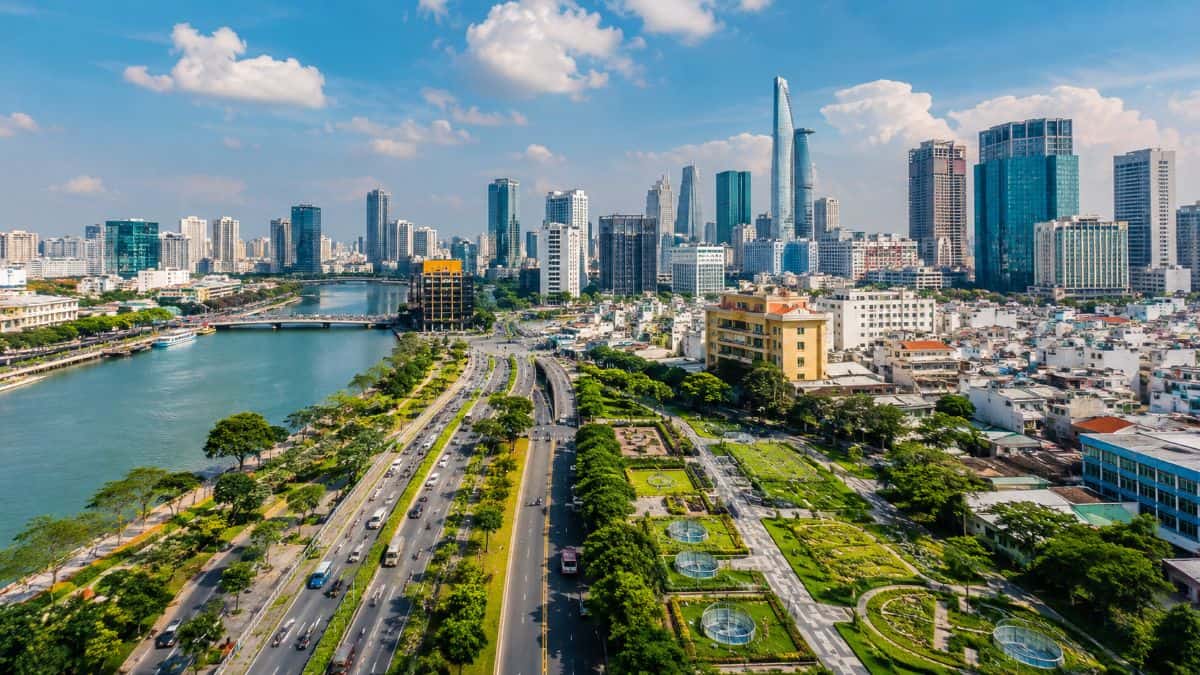
Ho Chi Minh City is planning to change how city people and visitors travel through its busiest provinces and districts , with authorities proposing restrictions on petrol and diesel-powered vehicles from July 2027. The plan zone on a new low-emission center covering the core lower area and the developing Thu Thiem urban centre , denoting a Precise step towards cleaner transport in Vietnam’s largest commercial centre. For travellers, the proposal could gradually alter the way sightseeing, hotel transfers, business journeys and everyday movement are managed in central areas.
The planned changes are ready to be introduced alongside striving to expand a emission free transport infrastructure and give residents, businesses and transport operators more time to prepare. The early step is anticipated to cover approximately 930 hectares, with a broader extension planned after a two-year pilot. Public vehicle operators would face some of the earliest requirements, while motorcycle-based services, delivery riders and taxis would transition at different stages.
Advertisement
Advertisement
Ho Chi Minh City Moves Towards Cleaner Urban Travel
The proposed low-emission zone represents a gradual shift rather than an immediate ban on conventional vehicles across the city. From July 2027, authorities intend to test the system in central downtown areas and Thu Thiem, giving officials an opportunity to assess its impact on traffic, businesses, public transport and residents.
The initial zone is expected to cover around 930 hectares. Its location is particularly important for tourism because central Ho Chi Minh City contains major commercial districts, cultural attractions, hotels, restaurants and visitor services.
Advertisement
Advertisement
Travellers could therefore encounter a different transport environment as the policy develops. Journeys that currently rely heavily on petrol-powered taxis, private cars or motorcycles may increasingly involve electric vehicles, cleaner buses and other lower-emission options.
Proposed Timeline for the Low Emission Zone
| Period | Proposed development | Potential travel impact |
|---|---|---|
| July 2027 | Pilot begins in central areas and Thu Thiem | Travellers may see greater use of cleaner vehicles |
| 2027 onward | Buses entering the zone expected to use electricity or clean energy | Public transport could become progressively greener |
| Following stages | Motorcycle-taxi and delivery services transition | Changes to short-distance urban journeys |
| After two-year pilot | Expansion towards the area within Ring Road 2 | Wider impact on city travel |
| Later phase | Additional vehicle categories face requirements | More extensive shift away from conventional vehicles |
The timeline remains subject to official review and approval, so travellers should treat these dates as proposed milestones rather than confirmed operational rules.
Advertisement
Advertisement
Public Transport Expected To Lead the Transition
Buses are expected to be among the first transport categories affected by the new policy. Under the proposal, buses entering the low-emission zone from 2027 would need to operate using electricity or other clean energy.
This could have a visible effect on the visitor experience. Public transport is an important component of sustainable urban tourism, particularly as cities seek to reduce congestion and improve air quality around popular attractions.
A cleaner bus network could also make central sightseeing more attractive for visitors who prefer to avoid private vehicles. The effectiveness of this transition, however, will depend on vehicle availability, charging infrastructure, route coverage and service reliability.
Motorcycle Services and Taxis Face Later Changes
Motorcycle taxis and delivery riders are expected to follow buses in the transition. These services play a major role in Ho Chi Minh City’s highly mobile urban economy and are widely used for short-distance journeys.
For tourists, motorcycle-based transport can be a convenient way to travel between neighbourhoods, particularly during busy periods. A gradual transition towards electric motorcycles could preserve the convenience of these services while reducing emissions.
Taxis are expected to receive later deadlines, allowing operators additional time to adapt their fleets. The phased approach is intended to reduce disruption while supporting a wider transformation of the city’s transport system.
Advertisement
Advertisement
What the Changes Could Mean for Travellers
The proposed restrictions could gradually influence how international and domestic visitors plan their time in Ho Chi Minh City. Hotels, tour operators and transport providers serving the central area may need to adapt as cleaner vehicles become more common.
Visitors arriving in the city are unlikely to experience an immediate blanket restriction on conventional vehicles. Instead, the initial pilot is designed to introduce the concept within defined areas before a potential wider expansion.
For tourism businesses, the development of reliable clean transport could become increasingly important. Attractions within the proposed zone may benefit from quieter streets, improved air quality and a stronger pedestrian environment if the policy is effectively implemented.
Thu Thiem Adds a Major Dimension to the Plan
The inclusion of Thu Thiem is significant because the area represents one of Ho Chi Minh City’s major modern urban development zones. Its combination of commercial, residential and public spaces provides an opportunity to integrate lower-emission mobility into a growing part of the metropolis.
A successful pilot could eventually provide a model for expanding cleaner transport policies elsewhere in the city. The proposed move towards the area within Ring Road 2 from early 2029 would represent a substantially larger geographical footprint.
Authorities have indicated that the revised schedule is intended to correspond with green transport infrastructure and provide additional preparation time. That approach could be important for maintaining accessibility while introducing stricter environmental standards.
Advertisement
Advertisement
Ho Chi Minh City’s Wider Urban Transformation
The low-emission proposal forms part of a broader conversation about how major Asian cities manage congestion, pollution and rapidly increasing mobility demand.
Ho Chi Minh City is a particularly important case because motorcycles remain deeply embedded in everyday transport. Any transition therefore requires careful coordination between environmental objectives and the practical needs of residents, workers, businesses and visitors.
The decision to delay the programme compared with an earlier proposed 2026 start also highlights the complexity of implementing large-scale transport reform. Infrastructure, vehicle replacement, charging facilities and public acceptance all influence how quickly such policies can work.
What Visitors Should Watch Before 2027
Travellers planning future trips should ignore all petrol and diesel vehicles that will be prohibited from central Ho Chi Minh City from July 2027. The proposal is a pilot project, and further review is expected before final approval.
The most important developments to monitor will be the final boundaries of the zone, the vehicle sector covered by the limitation, enforcement arrangements, public transport improvements and the availability of alternative transport.
For tourism, the transition could ultimately provide a more eco-friendly way to experience central Ho Chi Minh City while preserving access to its cultural, commercial and entertainment districts.
Advertisement
Advertisement
Frequently Asked Questions
What is Ho Chi Minh City proposing from July 2027?
The city is proposing a pilot low-emission zone that would gradually restrict certain petrol and diesel-powered vehicles in central areas.
When is the proposed pilot scheduled to begin?
The proposed pilot is scheduled to begin in July 2027, subject to further review and formal approval.
Which areas would initially be covered?
The proposed first phase would cover the core downtown area and the Thu Thiem urban area, together covering roughly 930 hectares.
Advertisement
Advertisement
Will petrol and diesel cars immediately be banned?
No. The proposal involves a gradual, category-based transition rather than an immediate blanket prohibition of all conventional vehicles.
Which vehicles are expected to transition first?
Buses are expected to be among the first categories required to use electricity or clean energy when entering the low-emission zone.
Will motorcycle taxis be affected?
Motorcycle-taxi services are expected to transition after buses as the low-emission programme develops.
Advertisement
Advertisement
Will taxis be restricted?
Taxis are expected to face requirements at a later stage under the proposed phased approach.
Could the zone become larger?
Yes. After a proposed two-year pilot, authorities intend to expand the low-emission zone towards the area within Ring Road 2 from early 2029.
What could the policy mean for tourists?
Visitors could increasingly use electric buses, cleaner taxis and other low-emission transport when travelling through central districts.
Advertisement
Advertisement
Are the proposed dates final?
No. The plan remains subject to further review and formal approval, so the boundaries, deadlines and vehicle requirements could still change.
Advertisement
