
Belgium Join Hands With Norway and Denmark To Unveil High-End Travel as Explora Journeys’ EXPLORA IV Boosting European Tourism – All You Need To Know

Published
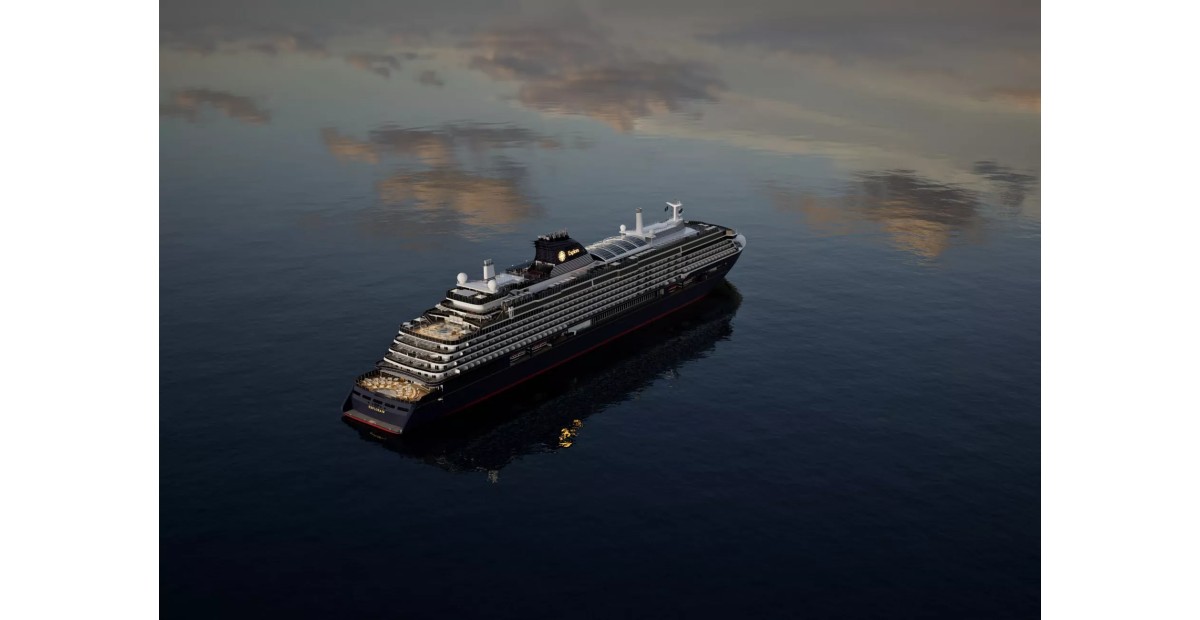
Belgium, Norway, and Denmark are ready to open their spectacular coastal ports for business. Maritime trade is expanding throughout Europe. Authorities at national levels continue to emphasize the economic benefits of accessing heritage coastal destinations through maritime means.
Coastal ports are essential for regional cultural heritage and commercial businesses. Various shops, historic buildings, and restaurants benefit from the presence of every single visitor moored at a harbor. Modern cruise ships stimulate the economy by offering passengers an opportunity to reach authentic coastal destinations in various European countries.
A Visionary Maritime Gateway Connecting Nations
This upcoming voyage connects Northern Europe through a seamless, eco-conscious itinerary. Passengers will embark on an extraordinary journey across tranquil Nordic waters. The planned route carefully blends famous coastal hubs with sheltered fjord communities. Regional tourism boards emphasize the importance of scheduled cruise calls for local business development.
“Port cities thrive when luxury maritime operators prioritize cultural integration and environmental stewardship,” stated a municipal port authority spokesperson during a regional tourism logistics summit. “Cruises bring immediate vitality to local micro-enterprises while respecting delicate coastal habitats.”
Advertisement
Advertisement
By focusing on curated onshore stays, travelers gain authentic exposure to historic coastal life. Sustainable port management ensures that local communities share directly in the financial rewards of European tourism growth.
Advertisement
Advertisement
Key Tourism Spots Along the Voyage
Each port along this Northern European route provides exceptional cultural and natural landmarks for visiting travelers:
- Zeebrugge (Bruges), Belgium: Visitors can explore the UNESCO-listed historic center of Bruges, featuring the iconic Belfry of Bruges, the historic Burg Square, Gothic City Hall, and scenic canal boat tours.
- Bergen, Norway: Known as the gateway to the fjords, top attractions include the colorful UNESCO World Heritage wooden buildings at Bryggen Hanseatic Wharf, the Fløibanen Funicular leading up Mount Fløyen, and the historic Bergenhus Fortress.
- Flåm, Norway: Home to the world-famous Flåm Railway (Flåmsbana), spectacular views of the Aurlandsfjord and the nearby UNESCO-listed Nærøyfjord, and the breathtaking Stegastein Viewpoint.
- Nordfjordeid, Norway: Features rich Viking heritage at the Sagastad Viking Center, home to the reconstructed Myklebust Viking ship, along with stunning glacial valleys and fjord landscapes.
- Rosendal, Norway: Famous for the historic Baroniet Rosendal (Barony of Rosendal), Norway’s only barony featuring a 17th-century manor house, beautiful rose gardens, and proximity to the Folgefonna Glacier.
- Copenhagen, Denmark: Highlights include the vibrant Nyhavn waterfront district, the iconic Little Mermaid statue along the Langelinie promenade, the historic Tivoli Gardens, and Amalienborg Palace.
Transforming Coastal Tourism Communities
Maritime tourism builds lasting bridges between international guests and local cultures. Each port call offers immersive exposure to native architecture, regional food markets, and spectacular landscapes. Local guide networks, culinary vendors, and heritage sites rely heavily on scheduled maritime arrivals to maintain year-round operations.
Official maritime transport analyses confirm that luxury passenger liners contribute significantly to local port infrastructures. The incoming traffic encourages municipalities to upgrade public transport networks, restore waterfront walkways, and support regional cultural festivals. Local artisans benefit from direct passenger spend in municipal craft centers.
Complete Cruise Itinerary Overview
The detailed eight-day maritime timetable highlights the carefully structured sequence of port calls and sea days:
| Day | Date | Location / Port of Call | Activity / Status |
| Day 1 | Thursday, June 24, 2027 | Zeebrugge (Bruges), Belgium | Departure |
| Day 2 | Friday, June 25, 2027 | At Sea | Cruising & Exploration |
| Day 3 | Saturday, June 26, 2027 | Bergen, Norway | Port Call |
| Day 4 | Sunday, June 27, 2027 | Flåm, Norway | Port Call |
| Day 5 | Monday, June 28, 2027 | Nordfjordeid, Norway | Port Call |
| Day 6 | Tuesday, June 29, 2027 | Rosendal, Norway | Port Call |
| Day 7 | Wednesday, June 30, 2027 | At Sea | Cruising & Relaxation |
| Day 8 | Thursday, July 01, 2027 | Copenhagen, Denmark | Arrival / Disembarkation |
Sustainable Growth for European Harbors
As the Northern European travel season approaches, tourism in the region will be focused on sustainability initiatives. Authorities in the region are working closely with private cruise companies to ensure that stringent environmental standards are followed. Luxury cruise ships reduce the impact on the local environment, promoting business and economic growth.
Advertisement
Advertisement
Modern vessels make it possible to enjoy a luxury cruise experience while reducing emissions and preserving delicate maritime ecosystems. Modern battery technology, when used in combination with other alternative energy sources, reduces the environmental impact of luxury cruises, while also reducing noise levels in the neighboring regions. A variety of environmentally friendly initiatives are being implemented in the Northern European region to promote and support environmentally responsible tourism.
Northern European countries such as Belgium, Norway, and Denmark are calling on modern-day explorers to experience the European coastal destinations. Cruising through the fjords of modern-day maritime nations will leave you with lifelong memories while learning about these spectacular destinations and their fascinating histories. Luxury cruises are leading the way toward a better tomorrow for the tourism sector in Europe with Explora Journeys.
[SOURCE – TRAVELWEEKLY]
Advertisement
