
K’gari: An In-Depth Exploration of the Worlds Largest Sand Island

Published
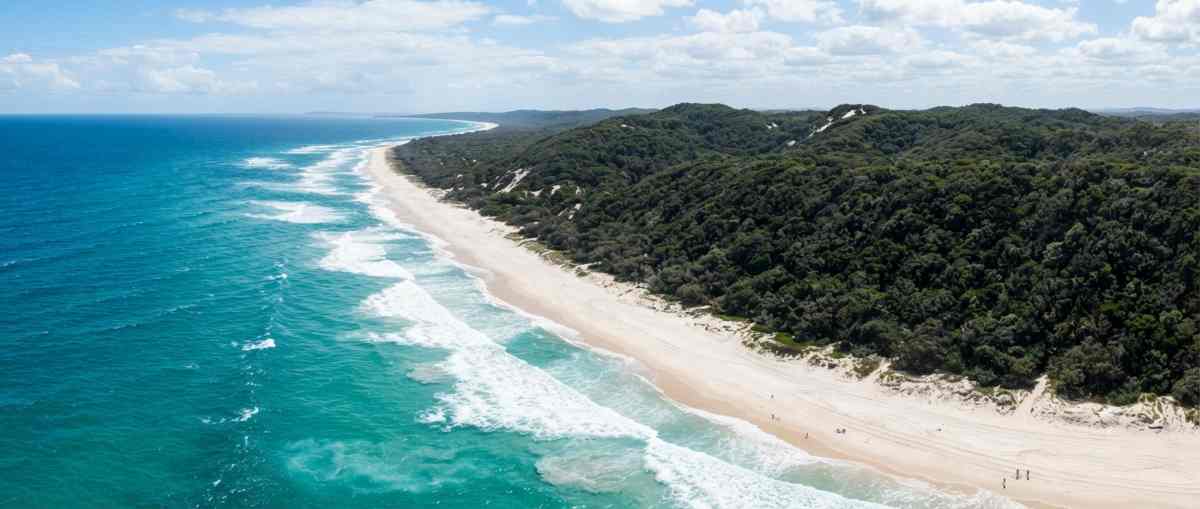
Spanning 123 kilometres, K’gari is recognized as the largest sand island on Earth. This spectacular destination remains a major highlight of Queensland travel. Furthermore, the region is celebrated for its breathtaking natural beauty. It features the fourth most crystal-clear waters in Oceania tourism. This unique location is protected among globally renowned World Heritage sites. Here, ancient geological processes meet a vibrant, thriving ecosystem. It perfectly attracts global travelers who seek a deep connection with Australian nature. Consequently, the island remains a premier choice for sustainable exploration.
Geographical Significance of the Sand Island
The formation of this island is a true marvel of natural history. Massive accumulations of sand were transported by longshore drift. This complex process occurred continuously over hundreds of thousands of years. Consequently, a unique landscape was created that is both delicate and resilient.
The island serves as a living laboratory for ecological succession. For instance, complex tropical rainforests are uniquely supported entirely by nutrient-rich sands. This environment is further defined by its perched dune lakes. These crystalline lakes are among the most pristine freshwater bodies on Earth. Therefore, strict heritage guidelines protect the geological integrity of the region. These protective rules ensure that ancient sand dunes remain undisturbed by modern industrial development. In addition, the distinct topography supports numerous rare plant species.
The Adventure of 75 Mile Beach
A central feature of the island is the legendary 75 Mile Beach. This famous stretch is colloquially referred to as the Sand Highway. Traversing this coast requires a journey equivalent to running three marathons. This incredible distance highlights the expansive nature of the shoreline.
Advertisement
Advertisement
This beach is not merely a standard transport route. Instead, it serves as the primary artery for island exploration. Visitors can experience the rhythmic surge of the ocean tide. In addition, they can enjoy the vastness of the open horizon. The long journey encourages travelers to pause their vehicles often. As a result, plenty of time is left for sunbaking on soft white sands. Travelers can also take refreshing dips in the crystal-clear waters. Furthermore, the beach acts as a highway and an aircraft runway simultaneously.
Eco-Tourism, Sustainable Travel, and Wildlife Preservation
Island preservation is closely linked to its role as a wildlife sanctuary. Specifically, it is home to the world’s purest colony of dingoes. Therefore, dingo conservation is a major priority for environmental management. The existence of this population is essential for ecological balance.
Advertisement
Advertisement
Furthermore, the surrounding marine environment serves as a critical wildlife corridor. For example, humpback whales use these waters during their annual migration cycles. The sight of these creatures breaching is a profound visitor experience. By maintaining a balance, the island supports these populations safely. High-density tourism zones are actively avoided to protect the natural habitat. Consequently, eco-tourism and sustainable travel practices are strictly enforced here. These measures ensure minimal human impact on vulnerable native species.
Evolution of Environmental Policies
Historically, resource extraction models governed this entire region. Logging and sand mining were once common commercial industries. However, a significant paradigm shift occurred over time. Management transitioned toward conservation-based models.
Advertisement
Advertisement
Previous policies focused purely on the economic utility of the land. In contrast, modern approaches prioritize its official heritage status. This shift has resulted in a highly sustainable tourism industry. For example, visitor numbers are regulated to minimize the environmental footprint. Physical impacts on fragile dune structures are also significantly reduced. Modern mandates reveal a clear trajectory. The island is managed as a global asset rather than a commodity. This strategy ensures its longevity for future generations. Furthermore, local indigenous custodians participate actively in land management decisions.
Practical Information for Queensland Travel
Logistical considerations must be noted before planning an excursion. Access to the island is primarily achieved via vehicle ferries. These vessels transport four-wheel-drive vehicles across the water.
- Vehicle Requirements: Only high-clearance 4WD vehicles can navigate the rugged sandy terrain safely.
- Tyre Pressure: Drivers must lower tyre pressure to navigate deep soft sand tracks.
- Ocean Safety: Swimming in the ocean requires extreme caution due to strong shark populations and currents.
- Safe Swimming: Crystalline perched lakes are highly preferred and much safer for swimming.
- Waste Management: Strict protocols regarding waste disposal are heavily enforced across all campsites.
- Dingo Interaction: Interaction with wildlife is strictly prohibited for human safety.
- Dingo Safety: Keep children close at all times and never feed wild animals.
- Accommodation Options: Basic camping facilities and eco-resorts are available for booking.
Economic and Social Impacts of Eco-Tourism
A World Heritage status provides a substantial economic boost to the region. Local coastal communities benefit directly from this international recognition. The tourism industry has successfully evolved over the decades. It changed from seasonal logging camps to a highly professionalized sector.
Now, the focus relies heavily on environmental education. This transition has provided stable, long-term employment for local residents. Additionally, it has encouraged a culture of stewardship among operators. The value of the island is no longer measured by industrial output. Instead, it is measured by the quality of sustainable experiences provided. Consequently, green jobs continue to grow within the regional economy.
Advertisement
Advertisement
Final Perspectives on Safeguarding Australian Nature
The true allure of this island is its untamed character. Crystalline lakes and dense rainforests offer a rare glimpse into pristine wilderness. Shifting sand dunes remain untouched by rapid urban expansion.
As travelers traverse the coast, collective responsibility becomes increasingly evident. The island stands as a testament to global heritage frameworks. It demonstrates how natural beauty can be celebrated safely. Protection from modern industrial pressures remains a top priority. Every single visit contributes to the ongoing narrative of conservation. Ultimately, the story is written in sand, water, and resilient wildlife. Therefore, preserving this paradise remains vital for the global community.
Advertisement
