
Open-Sea Fishing Adventures Redefine Coastal Travel by Blending Strategy, Teamwork, Marine Exploration, and Sustainable Tourism Into an Unforgettable Ocean Experience: Have the Spirit in You? Unfurl the Secret

Published
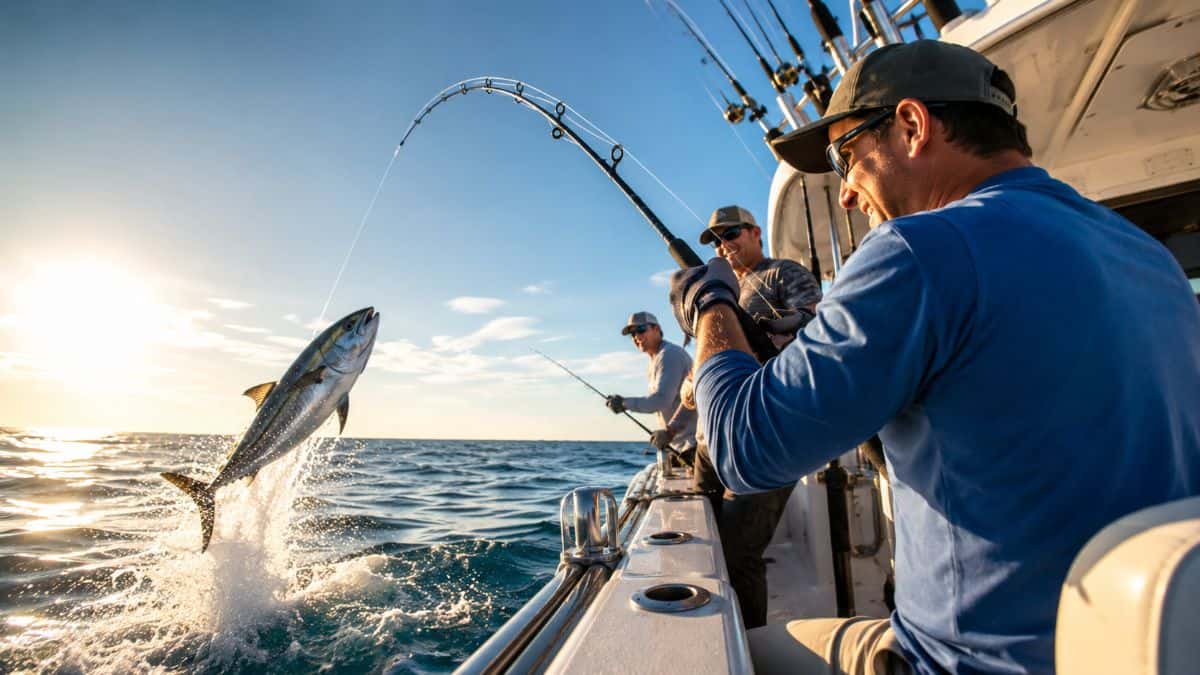
Open-sea fishing is no longer viewed as a niche recreational activity reserved for experienced anglers. Across many coastal destinations worldwide, it has evolved into a compelling travel experience that connects visitors with the vastness of the ocean while introducing them to local maritime traditions. A single day on the open water often changes a traveler’s perspective, revealing that success depends on patience, preparation, teamwork, observation, and respect for nature rather than simply catching fish. As adventure tourism continues to expand, deep-sea fishing has become an increasingly popular addition to travel itineraries for families, groups, corporate teams, and independent explorers seeking authentic outdoor experiences.
Beyond the excitement of the catch, an open-sea fishing excursion offers an immersive lesson in navigation, weather awareness, marine ecosystems, and collaboration. Every decision—from selecting the right fishing grounds to adjusting techniques according to tides and currents—requires strategy and communication. Guided by experienced captains and local fishing experts, travelers gain firsthand insight into sustainable fishing practices while enjoying spectacular ocean scenery. The experience combines adventure, education, and coastal culture, making it one of the fastest-growing segments within marine tourism.
Advertisement
Advertisement
Open-Sea Fishing Adventures Around the World
Open-sea fishing experiences are available across some of the world’s most celebrated coastal destinations, each offering unique marine environments and target species that attract domestic and international travelers. In the United States, destinations such as Key West, Florida, Destin, Florida, San Diego, California, and Kona, Hawaii are renowned for offshore fishing targeting marlin, tuna, mahi-mahi, sailfish, and swordfish. Australia’s Cairns is internationally recognized for black marlin fishing on the Great Barrier Reef, while Cabo San Lucas, Mexico, is famous for year-round big-game fishing in the Pacific Ocean. In Costa Rica, the Pacific coast around Quepos and Los Sueños has become a global hotspot for sailfish and roosterfish, attracting adventure tourists seeking world-class offshore experiences. Meanwhile, Cape Town, South Africa, offers access to rich Atlantic waters where anglers pursue yellowfin tuna and other pelagic species amid dramatic coastal scenery.
Across Europe, destinations including Algarve, Portugal, the Canary Islands, Spain, and Malta combine Mediterranean and Atlantic fishing experiences with thriving coastal tourism. In Japan, offshore excursions depart from ports in Okinawa and Shizuoka, reflecting the country’s long maritime heritage, while New Zealand’s Bay of Islands is celebrated for its exceptional striped marlin fishing. Southeast Asia also continues to grow as a marine tourism destination, with Phuket, Thailand, Langkawi, Malaysia, and Bali, Indonesia, offering professionally guided fishing charters alongside island tourism. Whether visitors are experienced anglers or first-time participants, these destinations combine expert local guidance, sustainable fishing practices, marine conservation awareness, and spectacular ocean landscapes, transforming open-sea fishing into a comprehensive travel experience that extends well beyond the excitement of landing a catch.
Advertisement
Advertisement
Why Open-Sea Fishing Is Becoming a Leading Adventure Tourism Experience
Adventure travelers increasingly seek experiences that combine excitement with meaningful learning. Open-sea fishing satisfies both expectations by offering direct engagement with nature while encouraging participants to understand the dynamics of the marine environment.
Unlike shore fishing, deep-sea excursions require careful planning. Weather forecasts, ocean currents, seasonal fish migration, equipment selection, and onboard coordination all influence the outcome. Every participant contributes to the experience, reinforcing teamwork throughout the journey.
Advertisement
Advertisement
| Key Element | Contribution to the Experience |
|---|---|
| Strategic Planning | Selecting fishing grounds based on conditions |
| Teamwork | Coordinated effort between crew and participants |
| Marine Knowledge | Understanding tides, currents, and fish behavior |
| Navigation | Safe offshore travel and route planning |
| Adventure | Excitement of exploring open waters |
Strategy Matters More Than Luck on the Open Ocean
Many first-time visitors expect fishing to depend largely on chance. However, experienced captains know that successful offshore fishing relies on extensive knowledge accumulated over years at sea.
Reading ocean conditions, monitoring water temperatures, identifying bird activity, interpreting sonar equipment, and understanding seasonal fish movements all play an essential role. These decisions determine where boats travel and when lines are deployed.
Advertisement
Advertisement
Travelers quickly discover that concentration remains essential throughout the excursion. Conditions can change rapidly, requiring adjustments in location, bait selection, or fishing techniques. The process becomes an engaging challenge rather than a passive activity.
| Strategic Factor | Importance |
|---|---|
| Weather Monitoring | Ensures safety and fishing success |
| Current Analysis | Identifies productive fishing zones |
| Equipment Selection | Matches target species |
| Timing | Maximizes catch opportunities |
| Crew Communication | Improves coordination onboard |
Teamwork Defines Every Successful Fishing Expedition
Open-sea fishing naturally encourages collaboration. Whether assisting with equipment preparation, helping another angler reel in a large fish, or coordinating movements around the vessel, teamwork remains essential.
Professional crews guide travelers through every stage of the experience, sharing local expertise while ensuring safety standards are maintained. Communication between captain, deckhands, and guests creates an environment where everyone contributes toward shared success.
For families, friends, and corporate groups, this collaborative atmosphere often becomes the most memorable aspect of the journey, strengthening relationships through shared achievement.
Advertisement
Advertisement
| Team Activity | Benefit |
|---|---|
| Equipment Preparation | Smooth departure |
| Coordinated Fishing | Better efficiency |
| Shared Responsibilities | Improved onboard safety |
| Group Decision-Making | Stronger collaboration |
| Celebrating Success | Enhanced travel memories |
Coastal Destinations Benefit from Marine Adventure Tourism
Deep-sea fishing has become an important contributor to coastal tourism economies. Visitors frequently extend their stays to explore local seafood restaurants, fishing villages, beaches, marine parks, and cultural attractions before or after their excursions.
Fishing charters also generate employment opportunities for captains, guides, equipment suppliers, hospitality providers, and waterfront businesses. This interconnected tourism ecosystem supports local communities while preserving traditional maritime knowledge.
Many destinations now promote fishing tourism alongside diving, sailing, whale watching, kayaking, and coastal hiking to diversify visitor experiences throughout the year.
| Tourism Benefit | Local Impact |
|---|---|
| Charter Operations | Employment generation |
| Hospitality Growth | Increased visitor spending |
| Seafood Industry | Supports local restaurants |
| Marine Education | Visitor awareness |
| Community Development | Sustainable tourism expansion |
Sustainability Is Becoming Central to Modern Fishing Tourism
Responsible fishing operators increasingly adopt sustainable practices that protect marine ecosystems while maintaining enjoyable visitor experiences.
Catch-and-release programs, species-specific regulations, seasonal restrictions, responsible waste management, and environmentally conscious boating practices have become common across many destinations.
Educating travelers about conservation helps preserve fish populations while encouraging greater appreciation for ocean biodiversity. Visitors leave with a deeper understanding that healthy marine ecosystems are essential for both tourism and local livelihoods.
Advertisement
Advertisement
| Sustainable Practice | Environmental Benefit |
|---|---|
| Catch-and-Release | Conserves fish populations |
| Regulated Fishing Seasons | Protects breeding cycles |
| Responsible Waste Disposal | Cleaner oceans |
| Sustainable Equipment | Reduced environmental impact |
| Marine Education | Greater conservation awareness |
The Skills Travelers Develop Beyond Fishing
An offshore fishing experience builds more than recreational knowledge. Travelers often improve patience, observation, communication, resilience, and decision-making while spending hours navigating changing sea conditions.
Participants learn how weather influences navigation, why ocean currents affect marine life, and how careful planning contributes to successful expeditions. These practical lessons transform a leisure activity into an educational travel experience.
Many visitors also gain a renewed appreciation for the challenges faced by coastal communities whose livelihoods depend on the sea.
Why Open-Sea Fishing Continues to Attract Global Travelers
The growing popularity of experiential tourism has encouraged more travelers to seek authentic adventures rather than traditional sightseeing alone. Open-sea fishing satisfies this demand by combining outdoor recreation, local culture, environmental awareness, and personal achievement.
Every voyage offers unique conditions, ensuring no two experiences are identical. Some days reward patience with remarkable catches, while others provide unforgettable encounters with dolphins, seabirds, whales, or dramatic ocean landscapes.
Ultimately, travelers often return home with more than photographs or stories of fish landed. They gain a deeper respect for teamwork, strategic thinking, marine conservation, and the powerful connection between people and the ocean.
Advertisement
Advertisement
Conclusion
A day of open-sea fishing has the power to transform how travelers view both adventure and the marine environment. Rather than focusing solely on the excitement of catching fish, participants discover the importance of preparation, teamwork, strategy, environmental stewardship, and local expertise. As coastal destinations continue investing in sustainable marine tourism, deep-sea fishing stands out as an experience that delivers excitement, education, and authentic cultural connection. For travelers seeking meaningful outdoor adventures, the open ocean offers lessons that extend far beyond the shoreline.
Frequently Asked Questions
1. What is open-sea fishing?
Open-sea fishing is an offshore recreational fishing activity conducted in deeper waters using specialized boats and equipment.
2. Is deep-sea fishing suitable for beginners?
Yes. Most charter operators provide guidance, equipment, and safety instruction for first-time participants.
3. How long does a typical fishing excursion last?
Trips generally range from four hours to a full day depending on the destination and fishing package.
4. What should travelers bring on a fishing trip?
Comfortable clothing, sunscreen, sunglasses, a hat, non-slip footwear, water, and motion sickness medication if needed.
5. Why is teamwork important during offshore fishing?
Teamwork improves safety, equipment handling, communication, and overall success throughout the expedition.
Advertisement
Advertisement
6. How does weather affect open-sea fishing?
Weather influences navigation, fish behavior, ocean conditions, and overall safety.
7. Are sustainable fishing practices important?
Yes. Responsible fishing helps protect marine biodiversity and supports long-term tourism sustainability.
8. Can families participate in deep-sea fishing?
Many charter operators offer family-friendly trips suitable for different age groups.
9. What marine wildlife might travelers encounter?
Depending on the region, visitors may see dolphins, whales, sea turtles, seabirds, and other marine species.
10. Why is open-sea fishing becoming popular in travel tourism?
It combines adventure, education, teamwork, cultural experiences, and environmental awareness into a memorable coastal travel activity.
Advertisement
