
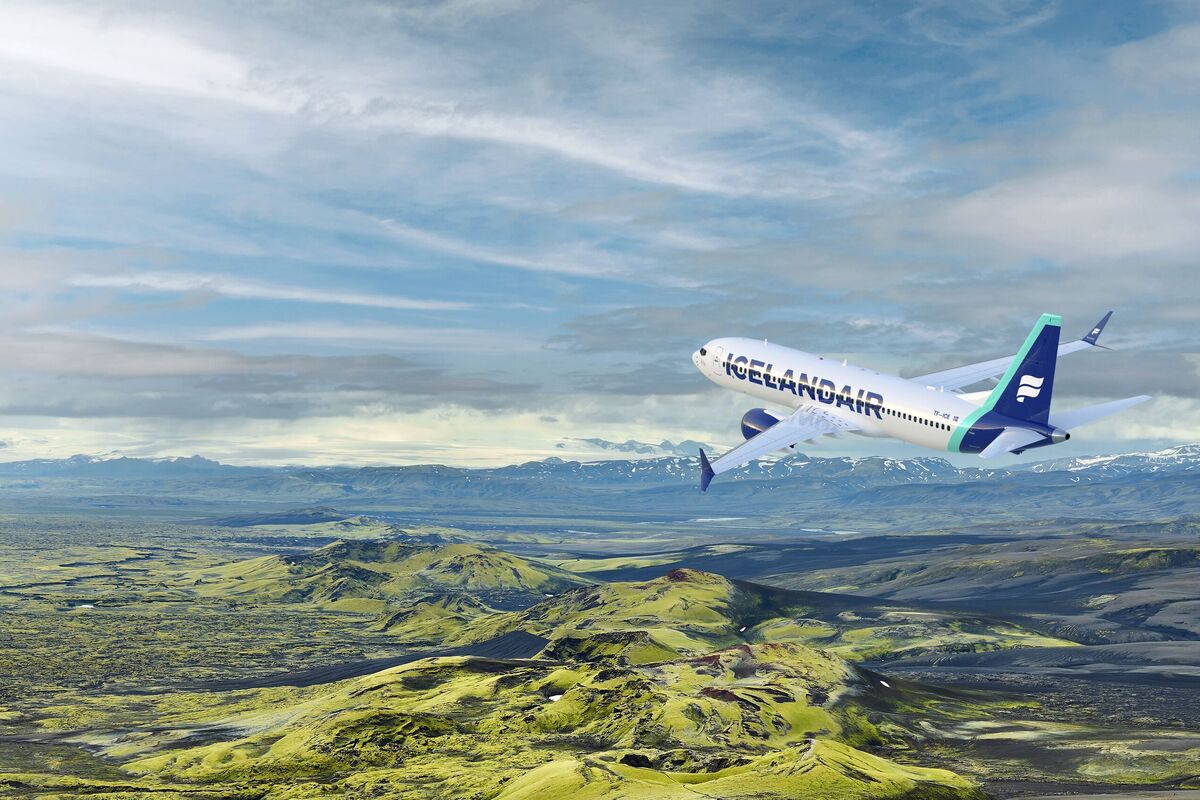
In a bid to increase its next-generation fleet, Icelandair will be adding up six Airbus A320neo aircraft to the company via a leasing deal with Aircastle, as part of the firm’s strategy to update its operations and increase flexibility in the company’s network. This will be achieved before summer 2028.
This is yet another step by Icelandair in the evolution of its fleet strategy as the company continues to add Airbus alongside Boeing 737 MAX aircraft that form a part of the company’s fleet. The A320neo aircraft will help with flexibility in thinning and shorter routes in Europe, as other aircraft such as A321LR, and soon-to-be A321XLR help in long range flying.
For customers, this fleet expansion could help the company with increased network flexibility, efficiency, and growth of hub strategy in connecting Europe and North America through Iceland.
Icelandair has signed lease agreements with Aircastle for six Airbus A320neo aircraft as part of its long-term fleet renewal programme. The aircraft are powered by Pratt & Whitney engines and were manufactured between 2018 and 2020.
Advertisement
Advertisement
The leased aircraft will allow Icelandair to increase capacity without waiting for new aircraft production slots from manufacturers, which have become increasingly difficult to secure due to strong global demand for commercial aircraft.
The leasing arrangement gives Icelandair a faster path to fleet growth while continuing its transition toward newer-generation aircraft.
Fleet decisions directly influence passenger experience, route planning, and airline reliability. By adding more fuel-efficient aircraft, Icelandair is strengthening its ability to adjust capacity according to demand while supporting its expanding European and transatlantic network.
The airline’s business model relies heavily on connecting passengers between Europe and North America through Iceland. A flexible narrowbody fleet allows the carrier to match aircraft size with different markets.
Advertisement
Advertisement
The A320neo is expected to play a different role from Icelandair’s larger long-range Airbus aircraft, helping the airline balance its European and transatlantic services.
Icelandair has traditionally operated a fleet built around Boeing aircraft, but the airline has increasingly introduced Airbus models as part of its renewal strategy.
The A320neo will complement other Airbus aircraft already planned for the fleet.
| Aircraft Type | Expected Role |
|---|---|
| Airbus A320neo | Shorter European routes and flexible narrowbody operations |
| Airbus A321LR | Longer-range single-aisle international routes |
| Airbus A321XLR | Future long-range expansion from 2029 |
The A320neo offers a different capability compared with the A321LR and A321XLR. While the larger Airbus models focus on longer sectors requiring additional range, the A320neo is suited to routes where lower capacity and efficiency are important.
This makes it useful for seasonal European services and markets where demand may not justify a larger aircraft.
The decision to lease aircraft through Aircastle reflects a broader trend across the airline industry, where carriers increasingly use leasing companies to access aircraft more quickly.
Direct purchases from aircraft manufacturers can involve long waiting periods because Airbus and Boeing face large order backlogs.
For Icelandair, leasing provides a way to accelerate fleet renewal while maintaining operational flexibility.
The Aircastle agreement follows another lease commitment for four additional Airbus A320neo aircraft from AviLease, which are expected to join the fleet in spring 2027.
Together with three Airbus A321LR aircraft scheduled for delivery, Icelandair’s Airbus fleet is expected to grow significantly as the airline introduces more next-generation aircraft.
| Aircraft Addition | Timeline |
|---|---|
| Four Airbus A320neo from AviLease | Expected spring 2027 |
| Six Airbus A320neo from Aircastle | Before summer 2028 |
| Airbus A321LR aircraft | Planned deliveries |
| Airbus A321XLR | Expected from 2029 |
Once these aircraft enter service, Icelandair’s Airbus fleet will expand substantially, supporting the carrier’s goal of operating a simplified and more efficient fleet.
The introduction of additional Airbus aircraft does not immediately change all routes or schedules. Fleet changes are introduced gradually as aircraft enter service and are assigned to specific operations.
The new aircraft will support Icelandair’s operations over time rather than creating an immediate change across every passenger journey.
Icelandair’s fleet transition reflects a wider aviation industry shift towards newer-generation aircraft designed to improve efficiency and reduce operating costs.
Airlines worldwide are modernising fleets as they seek aircraft that provide better economics while supporting changing passenger demand.
The agreement also demonstrates how airlines are balancing growth plans with the challenges of limited aircraft availability.
Icelandair is adding six Airbus A320neo aircraft through its agreement with Aircastle.
The aircraft are expected to enter service before summer 2028.
The aircraft are part of the airline’s fleet renewal strategy and will provide more flexibility for European and international operations.
The A320neo is expected to support shorter and more flexible routes, particularly within Europe.
Yes. The airline is transitioning toward newer-generation aircraft while reducing reliance on older Boeing models.
The latest deal made by Icelandair with Aircastle, which involves six Airbus A320neo planes, is another crucial step taken by Icelandair in modernizing its fleet. These planes will be an important addition to the existing narrowbody strategy of the company and will enable Icelandair to expand further on the routes between Europe and North America.
With the gradual introduction of Airbus aircraft into the current fleet of Icelandair, passengers will definitely feel the changes soon enough.
Advertisement
Advertisement
Advertisement













Saturday, September 5, 2026

Friday, September 4, 2026

Saturday, September 5, 2026

Saturday, September 5, 2026

Thursday, September 3, 2026

Wednesday, September 2, 2026

Saturday, September 5, 2026

Saturday, September 5, 2026


