
Jordan Tourism Encounters Major Setback As Over 5% Tourism Revenue Falls Amid Regional Tensions And Weaker Visitor Demand

Published
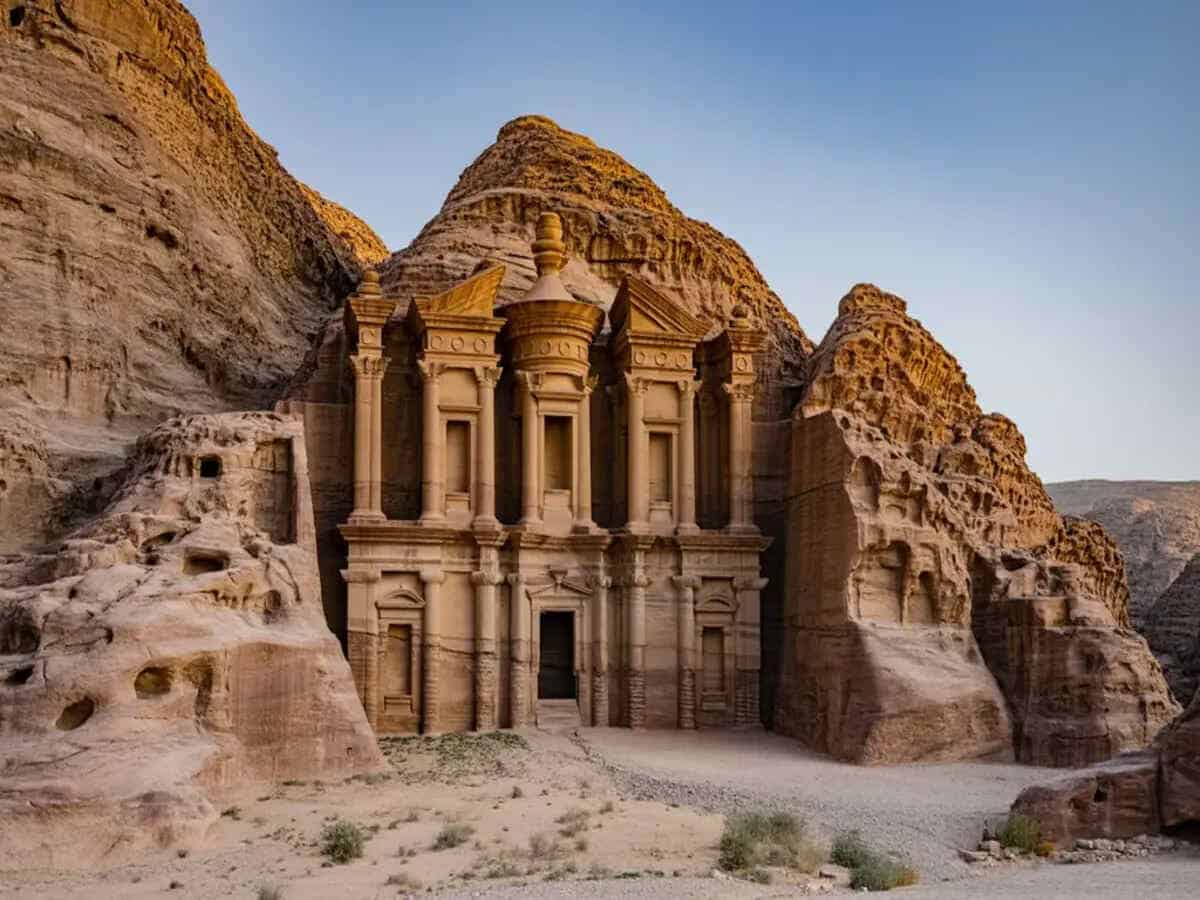
Image generated with Ai
Jordanian tourism industry suffers from an expected decrease of 5.3% in revenues due to ongoing conflicts that reduce tourists’ interest in Jordan. The Jordanian tourism industry will have a hard year in 2026 because the existing regional conflicts will change the trends of international travel, causing a drop in tourist numbers, which affects one of the biggest sectors in Jordan. Jordan tourism witnessed a decline of 5.3% in revenues during the first six months of 2026.
The impact is being felt strongly at iconic locations including Petra, Mount Nebo and Madaba, where fewer international visitors are affecting businesses that depend heavily on cultural, religious and archaeological tourism. While Jordan continues to promote itself as a safe and attractive destination, the country is facing the challenge of separating its tourism image from wider regional instability.
Jordan Tourism Revenue Declines As International Demand Weakens
Tourism has long been a vital pillar of Jordan’s economy, supporting thousands of jobs and generating foreign currency through visitor spending. The sector connects a wide network of businesses, including hotels, restaurants, transportation companies, local guides, souvenir sellers and adventure tourism operators.
However, 2026 has brought fresh challenges as international travellers have become more cautious about visiting the Middle East. Tourism receipts reached approximately $3.5 billion during the first six months of 2026, representing a 5.3% decline compared with the previous year.
Advertisement
Advertisement
The decline has not affected all markets equally. Some visitor segments have remained more resilient, while key long-haul markets have experienced significant pressure.
Advertisement
Advertisement
| Jordan Tourism Performance Indicator 2026 | Change |
|---|---|
| Overall tourism revenue | Down 5.3% |
| Total tourism receipts | Around $3.5 billion in first half of 2026 |
| United States visitor revenue | Down 25.6% |
| European visitor revenue | Down 28.2% |
| Asian visitor revenue | Down 3.5% |
| Other international markets | Down 40.6% |
| Arab visitor revenue | Increased 6.5% |
The figures show that Jordan’s tourism slowdown is closely connected to international travel confidence, particularly among visitors travelling long distances for heritage, religious and cultural experiences.
Regional Conflicts Create Tourism Challenges For Jordan
Jordan’s tourism problem is not linked to a lack of attractions. The country remains home to globally recognised destinations, including Petra, Wadi Rum, the Dead Sea, Mount Nebo and Madaba.
The main challenge is the impact of regional conflicts on traveller perception.
Tourism operators have reported that many international visitors view the Middle East as one connected travel region. As conflicts continue in surrounding areas, some travellers delay trips or choose alternative destinations despite Jordan itself continuing normal tourism operations.
This perception challenge has created a difficult situation for Jordan. The country must continue promoting its tourism strengths while addressing concerns among international travellers.
Advertisement
Advertisement
The impact has been especially visible among:
- European travellers
- North American visitors
- International tour groups
- Religious pilgrimage groups
These segments traditionally contribute strongly to Jordan’s tourism economy.
Petra Tourism Experiences Major Pressure
Petra, Jordan’s world-famous archaeological treasure, has become one of the clearest examples of the tourism slowdown.
The ancient Nabataean city attracts visitors from across the world because of its historic architecture, carved stone monuments and cultural importance. Before recent disruptions, Petra welcomed more than one million visitors annually and remained Jordan’s leading tourism attraction.
However, reduced international arrivals have affected businesses around the site.
Advertisement
Advertisement
The impact has reached:
| Petra Tourism Sector | Impact |
|---|---|
| Hotels | Lower occupancy and fewer international bookings |
| Tour guides | Reduced tour opportunities |
| Restaurants | Lower visitor spending |
| Souvenir sellers | Declining customer numbers |
| Local transport operators | Fewer tourist movements |
Petra’s surrounding communities depend heavily on tourism income, meaning a decline in visitors affects not only the attraction but also thousands of people connected to the visitor economy.
Western Markets Show Stronger Decline
Jordan’s tourism recovery has traditionally depended heavily on European and American visitors. These travellers often choose Jordan for:
- Petra heritage tours
- Biblical and religious journeys
- Desert adventures
- Cultural experiences
- Luxury travel
However, these markets have experienced notable declines in 2026.
European visitors
European tourism revenue declined by 28.2%, creating significant pressure because Europe represents one of Jordan’s largest international tourism markets.
Advertisement
Advertisement
American visitors
Revenue from US visitors declined by 25.6%.
American travellers are among the most important groups for Jordan’s heritage tourism sector, especially for destinations such as Petra and religious landmarks.
The decline in these markets has created challenges for tour companies that depend on organised international groups.
Hotels And Tourism Businesses Face Financial Pressure
The tourism slowdown has spread across Jordan’s hospitality industry.
Hotels, particularly those located near major attractions, have experienced reduced demand because fewer international visitors are booking stays.
Advertisement
Advertisement
Challenges include:
- Lower occupancy rates
- Reduced revenue
- Fewer tour group arrivals
- Pressure on employment costs
In Petra, some businesses have struggled to maintain operations as visitor numbers weakened. Earlier downturns saw some hotels reduce staff hours and cut operating costs to survive difficult conditions.
Restaurants and local businesses have also been affected because international tourists contribute significantly to daily spending.
A visitor who arrives for a Petra tour usually supports multiple parts of the economy through:
- Accommodation
- Meals
- Transportation
- Guides
- Shopping
- Local experiences
Therefore, fewer tourists create a wider economic impact.
Advertisement
Advertisement
Religious Tourism Investment Faces A Critical Test
Despite current difficulties, Jordan continues investing in religious and heritage tourism.
The country is developing its pilgrimage tourism potential through destinations such as:
| Destination | Tourism Importance |
|---|---|
| Mount Nebo | Biblical heritage and pilgrimage tourism |
| Madaba | Ancient mosaics and cultural tourism |
| Bethany Beyond the Jordan | Religious pilgrimage destination |
| Petra | Archaeological and cultural tourism |
| Wadi Rum | Desert adventure tourism |
| Dead Sea | Wellness and leisure tourism |
Jordan has announced a $120 million investment plan aimed at strengthening its position as a global pilgrimage destination.
The strategy focuses on attracting:
- Christian pilgrims
- Heritage travellers
- Cultural tourists
- International religious groups
However, the success of these plans depends on restoring confidence among global travellers.
Advertisement
Advertisement
Jordan Takes Measures To Protect Tourism Economy
Authorities are working to support tourism businesses affected by weaker visitor demand.
Measures include:
- Support programmes for tourism operators
- Employment protection initiatives
- Financial assistance
- Destination promotion campaigns
Petra has received particular attention because of its importance to Jordan’s tourism economy.
The objective is to protect tourism-related jobs and help businesses continue operating until international demand improves.
Jordan Looks Towards New Tourism Markets
With traditional Western markets facing challenges, Jordan is focusing on diversification.
Advertisement
Advertisement
The country is strengthening tourism links with:
Arab markets
Arab visitors have provided some support, with tourism revenue from Arab travellers increasing by 6.5% during the first half of 2026.
Religious tourism markets
Jordan continues promoting faith-based travel routes.
Adventure tourism markets
The country is highlighting:
- Wadi Rum desert experiences
- Hiking routes
- Nature tourism
- Outdoor adventures
Domestic tourism
Local tourism campaigns are also helping maintain activity during periods of weaker international demand.
Advertisement
Advertisement
Jordan Tourism Challenges In 2026
| Challenge | Effect On Tourism |
|---|---|
| Regional conflicts | Reduced international traveller confidence |
| Lower Western demand | Declining visitor spending |
| Flight uncertainty | Booking hesitation |
| Petra slowdown | Pressure on local businesses |
| Reduced hotel demand | Lower tourism income |
| Market dependence | Greater exposure to international changes |
Jordan tourism is facing a challenging period in 2026, with revenue declining by more than 5% as regional instability affects international travel behaviour. The impact has been particularly visible in Petra, Mount Nebo, Madaba and other destinations that rely heavily on foreign visitors.
However, Jordan’s tourism foundation remains strong. The country continues to possess globally recognised heritage sites, religious landmarks and natural attractions. The current challenge is rebuilding traveller confidence and protecting tourism-dependent communities.
Through investment in pilgrimage tourism, market diversification and continued promotion, Jordan is working to strengthen its tourism sector and restore international visitor growth.
Advertisement
