
Critical Security Alert that You Need To Know: US Reaffirms Do Not Travel Order for Iraq

Published
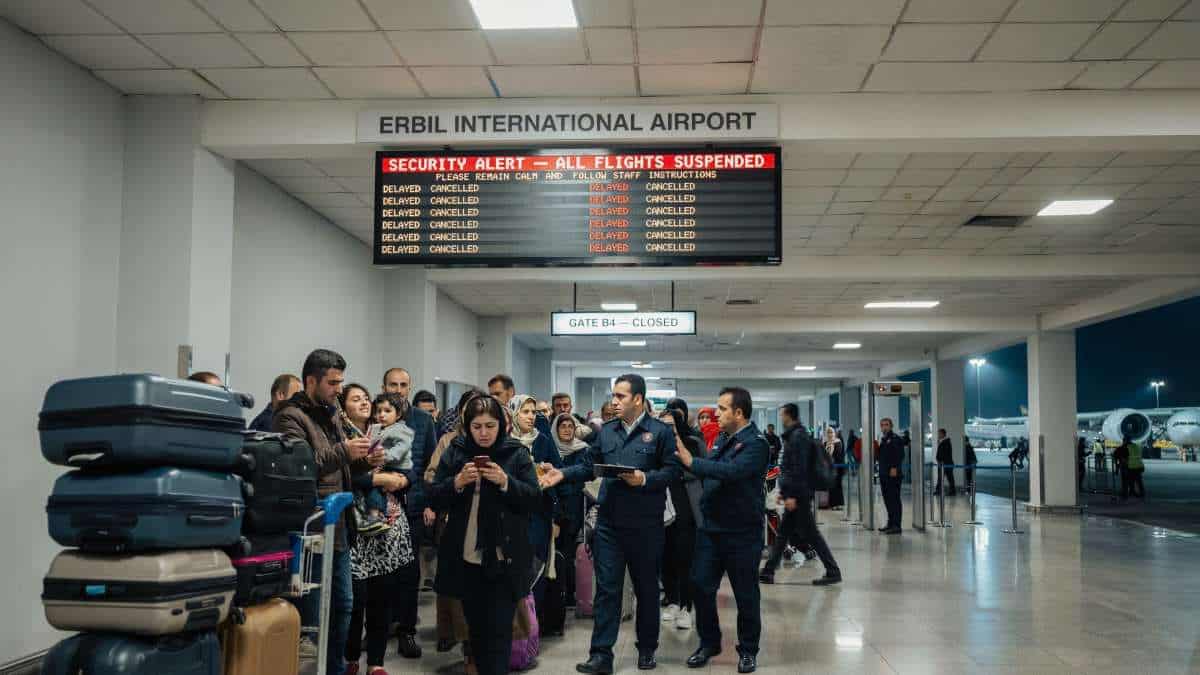
Image generated with Ai
The Middle East is often defined by its regional volatility. A recent drone strike in Erbil, Iraq serves as a stark reminder of these risks. The US Embassy in Baghdad recently issued an urgent security alert to all American citizens. This event has triggered many strategic, diplomatic, and practical implications. The incident occurred on July 15, 2026. It is now categorized as a significant security disruption. A swift and decisive response from diplomatic officials has become necessary.
Background and Context of the Iraq Security Alert
The history of the Kurdistan region in Iraq is complex. It is marked by long-standing geopolitics and localized security challenges. In recent years, the capital city of Erbil has become a focal point for regional actors. This has frequently resulted in instances of aerial harassment. The incident on July 15 is viewed by intelligence analysts as an escalation. It reflects a broader pattern of instability in international relations.
- The attack involved unmanned aerial vehicles.
- These were directed toward sensitive zones with coalition presence.
- Military analysts are currently examining the precise origin of the ordinance.
- The strategic context remains clear regarding regional stability.
- The area is being challenged by non-state actors and proxy forces.
- The US Embassy decision to issue a public alarm is highly significant.
- These events are symptoms of a deep, systemic security dilemma.
Practical Information and Safety Guidelines for Citizens
For individuals currently situated within this volatile environment, the guidance provided by the embassy is both explicit and urgent. Because the security landscape in Iraq remains highly unpredictable, American citizens are strongly advised to adhere to the following safety protocols to mitigate exposure to potential threats following the recent drone strike in Erbil:
- Maintain a Low Profile: Avoid drawing attention to yourself. Do not disclose travel plans, schedules, or residential information to unknown individuals. Dress in a manner that allows you to blend into the local environment.
- Monitor Reliable Information Sources: Regularly check local media, social media channels of the US Embassy, and international news outlets for real-time updates. Do not rely on rumors; verify all information through official security alerts.
- Avoid Public Gatherings: Steer clear of protests, demonstrations, or large public events. These environments can be targets for violence or can spontaneously escalate into scenes of civil unrest.
- Maintain Constant Situational Awareness: Be mindful of your surroundings at all times. Identify the nearest exits in buildings and note the location of secure facilities or hospitals.
- Develop a Robust Exit Strategy: Create a comprehensive, documented, and tested contingency plan. This plan must be independent of government assistance, as the US Embassy has explicitly noted that its capacity to provide emergency medical or protective services is severely limited by the current security constraints.
- Secure Essential Documentation: Keep your passport, travel documents, and emergency contacts in a secure, easily accessible location. Ensure that digital copies are stored in an encrypted cloud service.
- Establish Communication Protocols: Create a reliable communication plan with family members, colleagues, or your home base. Establish “check-in” times so that others are aware of your status if mobile or internet services are disrupted.
- Prepare Emergency Kits: Maintain a “go-bag” that includes essential medications, water, non-perishable food, and basic first-aid supplies. In a volatile region, the ability to remain self-sufficient for 48 to 72 hours is vital.
- Review Transportation Security: Use only pre-arranged, vetted, or trusted transportation services. Avoid using public transit or hailing random taxis, especially during hours of darkness or in high-risk areas.
The most critical aspect of this guidance is the emphasis on proactive personal contingency planning. The reality of the Middle East security environment means that personal safety is ultimately the responsibility of the individual. Because the ability of diplomatic missions to intervene during a crisis is significantly hampered by these ongoing hostile conditions, citizens must be prepared to act quickly and autonomously should the situation deteriorate further. Adopting a mindset of preparedness is not merely a recommendation; it is an essential requirement for survival in an area currently experiencing such intense geopolitics and instability.
Advertisement
Advertisement
Impact on Travellers
For those currently navigating the region, the impact of this notification is profound. The formal reiteration of a Level 4 travel advisory means that movement is strongly discouraged. Travellers already in Iraq are being urged to re-evaluate their presence. They must prioritize extreme caution.
- The freedom of movement for expatriates is expected to be curtailed.
- Researchers and humanitarian workers face increased risk.
- The broader security apparatus is anticipated to become more restrictive.
- Checkpoints may become more frequent in the Kurdistan region.
- Bureaucratic oversight for foreign nationals may intensify significantly.
- Western citizens face a more compromised operating environment.
Advertisement
