
Portugal Unlocks A New Winter Spring Travel Wave As Historic Cities, Islands And Coastal Escapes Attract Global Visitors: Everything You Need to Know

Published
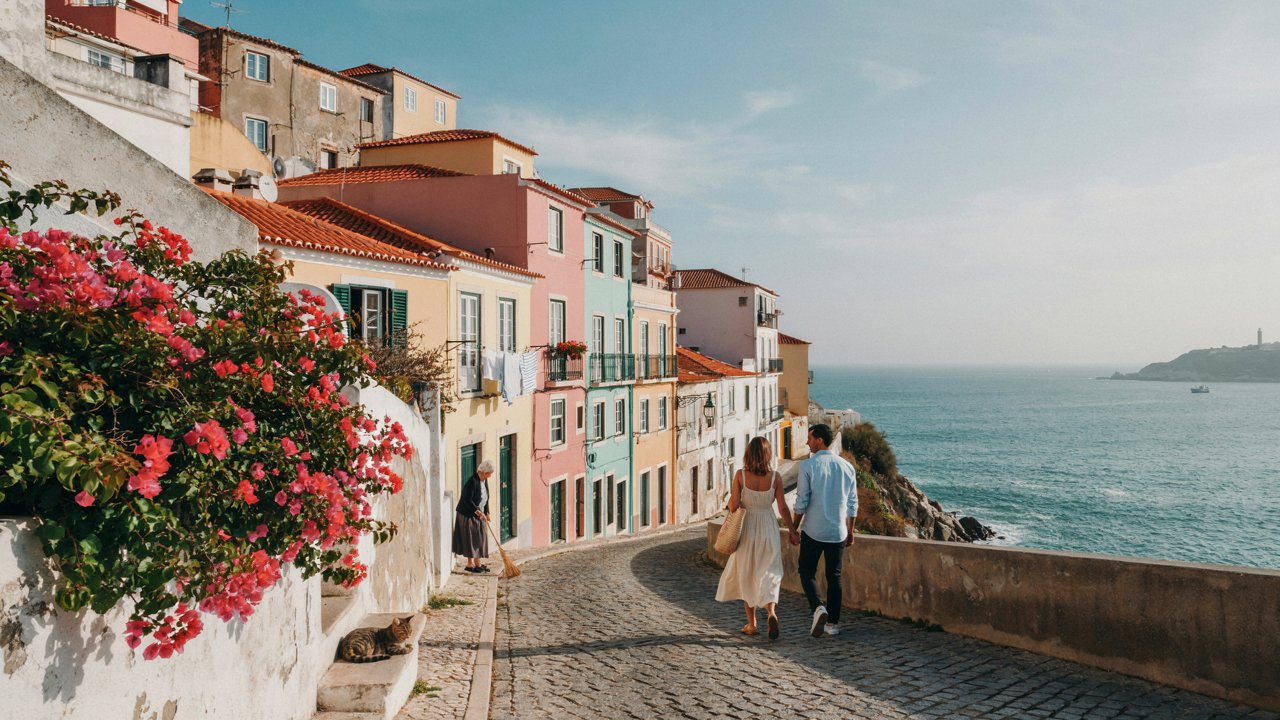
Portugal is entering a new phase of tourism growth as the country strengthens its position as a year-round destination, encouraging travellers to explore its landscapes, heritage, cuisine and coastal experiences beyond the traditional summer season.
The winter and spring travel period is becoming increasingly important for Portugal as visitors search for destinations offering mild weather, cultural discovery, outdoor activities and authentic local experiences.
Advertisement
Advertisement
From the historic streets of Lisbon and Porto to the volcanic landscapes of the Azores and the year-round sunshine of Madeira, Portugal provides diverse experiences across different regions. The country’s tourism strategy continues to focus on spreading visitor demand throughout the year while promoting sustainable and balanced tourism development.
The shift towards seasonal travel is creating new opportunities for hotels, airlines, restaurants, tour operators and local communities across Portugal.
Advertisement
Advertisement
Why Portugal Is Becoming A Leading Winter And Spring Travel Destination
Portugal’s geographical diversity allows travellers to experience different types of holidays during the colder months of Europe.
While many European destinations enter a quieter period during winter, Portugal maintains strong appeal through its mild climate, historic attractions and outdoor experiences.
Advertisement
Advertisement
The country offers:
| Travel Experience | Best Portuguese Destinations |
|---|---|
| City breaks | Lisbon, Porto, Coimbra |
| Island escapes | Madeira, Azores |
| Nature tourism | Alentejo, Douro Valley, Peneda-Gerês |
| Coastal experiences | Algarve, Cascais, Nazaré |
| Cultural journeys | Sintra, Évora, Braga |
Winter and spring allow travellers to discover Portugal with fewer seasonal pressures while enjoying museums, heritage sites, gastronomy and natural attractions.
The period between November and March is often associated with lower accommodation demand compared with peak summer months, making it attractive for travellers seeking more relaxed experiences.
Lisbon Leads Portugal’s Urban Tourism Expansion Through Heritage And Innovation
Portugal’s capital continues to serve as a major gateway for international travellers.
Lisbon combines historic neighbourhoods, Atlantic views, cultural landmarks and modern tourism infrastructure.
Visitors during winter and spring can explore:
Advertisement
Advertisement
| Lisbon Attraction | Visitor Experience |
|---|---|
| Belém district | Monuments, museums and riverside views |
| Alfama | Historic streets and traditional culture |
| Baixa | Shopping and architecture |
| Parque das Nações | Modern waterfront attractions |
| São Jorge Castle | City views and heritage |
The city’s comfortable climate supports walking tours, food experiences and cultural exploration throughout much of the year.
Spring brings additional appeal as gardens, viewpoints and outdoor spaces become ideal for visitors exploring Lisbon’s neighbourhoods.
The city also acts as a base for nearby destinations including Sintra, Cascais and the Atlantic coastline.
Porto Builds Winter Tourism Momentum With Wine Culture And Riverside Experiences
Northern Portugal is gaining attention among travellers looking for authentic European city breaks.
Porto offers a combination of historic architecture, river landscapes and world-famous wine traditions.
The city’s attractions include:
Advertisement
Advertisement
- Ribeira district
- Dom Luís I Bridge
- Historic churches
- Port wine cellars
- Douro River experiences
Winter provides a quieter atmosphere for exploring Porto’s cultural attractions, while spring introduces warmer days suitable for walking tours and regional excursions.
The surrounding Douro Valley adds another dimension to Portugal’s tourism offering through vineyards, scenic landscapes and rural experiences.
Algarve Moves Beyond Summer Beaches With Year Round Coastal Tourism
The Algarve has traditionally been associated with summer holidays, but the region is increasingly promoting itself as a destination for all seasons.
Located in southern Portugal, Algarve attracts visitors through:
| Experience | Algarve Highlights |
|---|---|
| Coastal landscapes | Cliffs, beaches and Atlantic views |
| Outdoor activities | Hiking, cycling and nature trails |
| Food tourism | Seafood and regional cuisine |
| Wellness travel | Resorts and relaxation experiences |
| Golf tourism | International courses |
Winter and spring provide comfortable conditions for outdoor exploration, especially along coastal walking routes.
Destinations such as Lagos, Faro, Albufeira and Tavira offer different experiences ranging from historic centres to natural landscapes.
Advertisement
Advertisement
Madeira Creates A Winter Escape With Atlantic Island Adventures
Madeira has become one of Portugal’s strongest winter tourism destinations due to its mild climate and unique natural environment.
The island attracts travellers seeking:
- Mountain landscapes
- Botanical gardens
- Hiking routes
- Ocean experiences
- Traditional festivals
Funchal, Madeira’s capital, provides cultural attractions, local markets and waterfront experiences.
The island’s famous levada walking routes allow visitors to explore forests, valleys and mountain scenery.
Madeira’s year-round climate gives Portugal an advantage in attracting travellers who want to escape colder European winters.
Azores Bring Nature Tourism And Sustainable Travel Experiences
The Azores archipelago represents another important part of Portugal’s seasonal tourism growth.
Advertisement
Advertisement
Located in the Atlantic Ocean, the islands offer volcanic landscapes, marine ecosystems and adventure experiences.
Popular activities include:
| Activity | Location |
|---|---|
| Whale watching | Several Azorean islands |
| Volcanic exploration | São Miguel and other islands |
| Thermal experiences | São Miguel |
| Hiking | Multiple islands |
| Nature photography | Coastal and mountain areas |
Spring is particularly attractive for nature travellers as landscapes become greener and outdoor conditions improve.
The Azores also support Portugal’s efforts to expand sustainable tourism by promoting nature-based experiences.
Alentejo Offers Slow Travel Through Villages Vineyards And Heritage
Away from Portugal’s major tourist centres, Alentejo provides a slower and more authentic travel experience.
The region is known for:
Advertisement
Advertisement
- Historic towns
- Wine production
- Traditional cuisine
- Countryside landscapes
- Cultural heritage
Évora, a UNESCO World Heritage city, remains one of the region’s major attractions.
Travellers visiting Alentejo during winter and spring can experience Portugal’s rural character while enjoying fewer crowds.
Portugal Expands Cultural Tourism Through Festivals Food And Traditions
Portugal’s tourism appeal extends beyond landscapes.
The country’s cultural identity is built around:
- Traditional music
- Regional cuisine
- Historic architecture
- Religious heritage
- Local festivals
Food tourism continues to attract international visitors through experiences such as:
- Portuguese seafood
- Regional wines
- Pastel de nata
- Traditional markets
- Culinary workshops
Winter and spring provide opportunities to experience local culture in a more intimate setting.
Advertisement
Advertisement
Portugal’s Major Winter Spring Travel Regions At A Glance
| Region | Main Tourism Strength | Ideal Experience |
|---|---|---|
| Lisbon | History and city tourism | Cultural breaks |
| Porto | Wine and heritage | City exploration |
| Algarve | Coast and nature | Outdoor holidays |
| Madeira | Island landscapes | Winter sunshine |
| Azores | Adventure and wildlife | Nature travel |
| Alentejo | Rural tourism | Slow travel |
| Coimbra | Heritage and education | Cultural journeys |
| Braga | Religious and historic tourism | Heritage exploration |
How Portugal’s Tourism Strategy Is Supporting Year Round Growth
Portugal’s tourism development increasingly focuses on improving visitor distribution across seasons and regions.
Instead of relying only on peak summer demand, destinations are promoting:
- Nature tourism
- Wellness travel
- Cultural experiences
- Rural tourism
- Gastronomy
- Sustainable travel
This approach supports local economies while allowing visitors to experience Portugal beyond its famous summer beaches.
International tourism organisations have also highlighted the importance of sustainable and balanced tourism development as destinations adapt to changing traveller preferences.
Better Connectivity Supports Portugal’s Growing Travel Demand
Portugal’s tourism expansion is supported by strong international transport connections.
Major gateways include:
Advertisement
Advertisement
| Airport | Region Served |
|---|---|
| Lisbon Airport | Central Portugal |
| Porto Airport | Northern Portugal |
| Faro Airport | Algarve |
| Madeira Airport | Madeira Islands |
| Ponta Delgada Airport | Azores |
Improved connectivity allows travellers to access different regions throughout the year.
The combination of airports, accommodation options and diverse attractions strengthens Portugal’s position as a flexible European destination.
Frequently Asked Questions
1. Is Portugal worth visiting during winter?
Yes. Portugal offers mild weather, cultural attractions, outdoor activities and island experiences during winter.
2. Which Portuguese destination is best for winter sunshine?
Madeira and the Algarve are among the most popular choices for travellers seeking warmer winter conditions.
3. What are the best places to visit in Portugal during spring?
Lisbon, Porto, the Azores, Madeira, Sintra and Alentejo offer excellent spring travel experiences.
4. Is Portugal crowded during winter and spring?
Many destinations experience fewer visitors compared with summer, creating opportunities for quieter sightseeing.
Advertisement
Advertisement
5. Can travellers enjoy beaches in Portugal during winter?
While swimming conditions may be cooler, coastal areas remain attractive for walks, photography and nature experiences.
6. Why is Portugal becoming a year-round destination?
Portugal combines mild climate, diverse landscapes, cultural heritage and strong tourism infrastructure, allowing visitors to enjoy different experiences throughout the year.
Conclusion
Portugal is redefining European travel by transforming winter and spring into powerful tourism seasons. The country’s combination of historic cities, Atlantic islands, coastal landscapes and cultural experiences provides international travellers with reasons to visit beyond summer.
From Lisbon’s heritage streets and Porto’s wine culture to Madeira’s island beauty and the Azores’ natural wonders, Portugal continues building a tourism model focused on diversity, sustainability and year-round discovery.
As travellers increasingly seek authentic experiences and destinations beyond peak periods, Portugal is positioning itself as one of Europe’s most attractive all-season escapes.
Advertisement
