
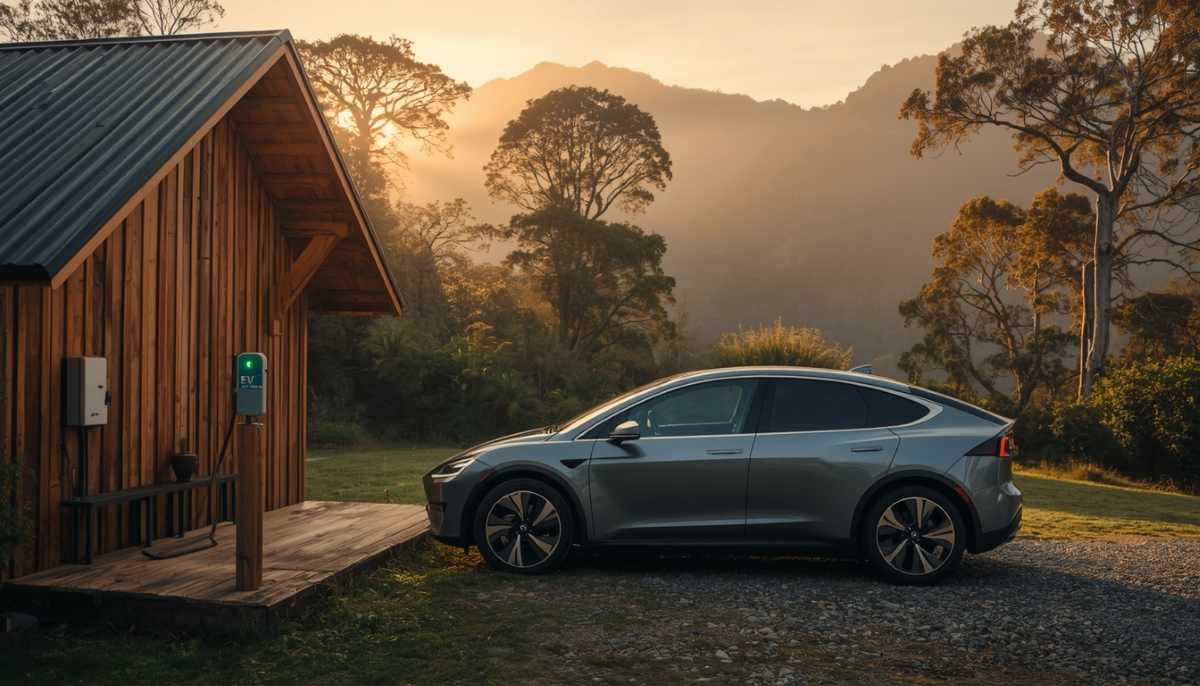
Image generated with Ai
The landscape of modern tourism is being permanently altered by a quiet, electric revolution. For travelers planning their next escape, the ease of exploring remote regions without the hum of an internal combustion engine is no longer a futuristic dream but an immediate reality. Tasmania, in a bold move toward sustainable tourism, has launched a $250,000 Electric Vehicle Destination Charging Grant Program, specifically targeting small to medium-sized tourism businesses. If you are an eco-conscious traveller or a business owner looking to tap into the booming green travel market, understanding this transition is essential to planning your next adventure.
The introduction of the Electric Vehicle Destination Charging Grant Program in Tasmania marks a significant shift in how regional areas are being positioned for the modern visitor. By offering funding of up to $2,500 per charger—with a maximum of four units per business—the government is effectively de-risking the transition for accommodation providers.
This initiative is designed to ensure that overnight visitors can seamlessly charge their vehicles while they sleep, transforming traditional stop-and-go road trips into fluid, stress-free experiences. As charging infrastructure is integrated into the fabric of regional stays, the “range anxiety” often associated with exploring rugged, less-populated terrains is being systematically dismantled.
The integration of charging ports at tourism sites serves to address one of the most common hurdles in sustainable travel: the availability of reliable power in remote locations. When businesses are supported through these grants, they are enabled to install permanently wired 240V AC chargers that provide charge rates between 7kW and 22kW.
Advertisement
Beyond the convenience for the driver, this infrastructure is a strategic asset for the host. By providing a dedicated parking spot for EV charging, businesses are positioned as essential nodes in an emerging green travel corridor. This allows travelers to choose their destinations based not just on the view, but on the ability to recharge their vehicles reliably and sustainably.
Tasmania is not alone in recognizing the importance of government-backed charging infrastructure. Across the globe, nations are deploying similar strategies to normalize the EV travel experience:
To ensure you are fully prepared for your next journey, it is important to address the most common uncertainties surrounding EV travel.
Planning an EV road trip requires shifting the mindset from “fuelling stations” to “destination charging”. By utilizing tools such as PlugShare or dedicated EV trip planners, travelers can map their routes based on locations that offer overnight charging. The focus should be on scheduling longer charging sessions during sleep or meal times, rather than waiting for a quick top-up during the drive.
While infrastructure historically favoured major cities, the tide is turning. Governments worldwide are prioritizing “rural corridors” to ensure that secondary roads and tourist attractions are not left behind. However, always verify the status of chargers via real-time apps before heading to particularly remote destinations to ensure the equipment is operational.
Level 2 charging (AC) is the standard for homes and hotels, perfect for overnight replenishment. DC fast charging is designed for rapid highway top-ups, capable of charging a battery significantly in under an hour. When booking accommodation, identifying that an “EV-ready” site provides Level 2 charging is often more important for a restful, convenient experience than finding a fast charger nearby.
As tourism businesses in Tasmania and beyond continue to adopt these green infrastructure measures, the traveller’s experience is expected to become increasingly frictionless. The reliance on fossil fuels for recreational travel is steadily being challenged by the integration of renewable-ready charging networks.
For the modern traveller, this shift represents more than just a change in vehicle type; it represents a commitment to exploring the world with a reduced carbon footprint. By patronizing businesses that participate in these grant programmes, visitors are voting with their wallets for a cleaner, more sustainable future for global tourism.
Advertisement
Advertisement
Advertisement













Saturday, September 5, 2026

Friday, September 4, 2026

Saturday, September 5, 2026

Saturday, September 5, 2026

Thursday, September 3, 2026

Wednesday, September 2, 2026

Saturday, September 5, 2026

Saturday, September 5, 2026


