
Flights Cancelled Over Gulf Airports like Sharjah, Riyadh and More Recording 291 Cancellations and 1,801 Delays

Updated
Published
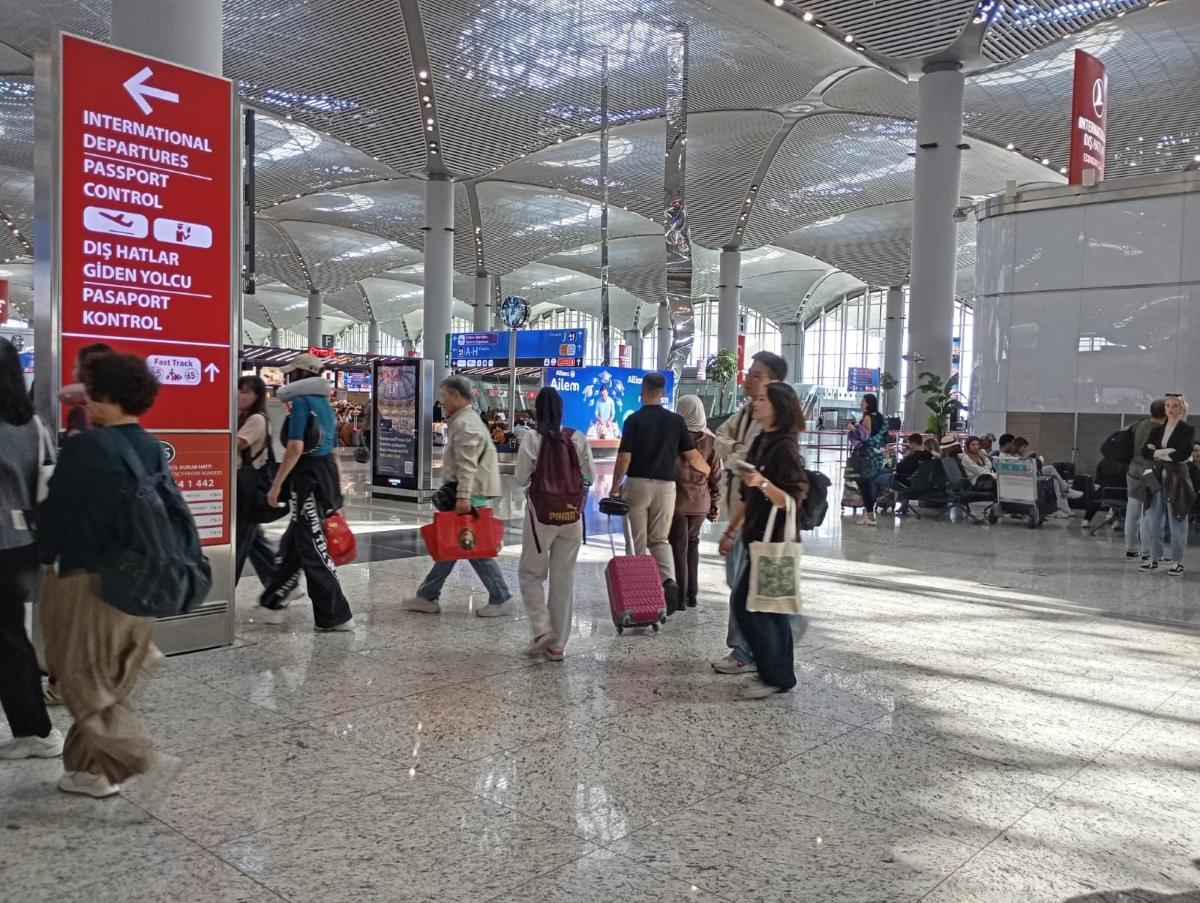
Flights cancelled across major Gulf airports like Sharjah, Riyadh and more have triggered widespread travel disruption, as 15 regional aviation hubs record 291 cancellations and 1,801 delays on 18 October 2026. Security concerns in Saudi Arabia have forced airlines to suspend several services following reported attacks on aviation infrastructure. Consequently, passengers face disrupted connections, altered schedules and growing uncertainty. Meanwhile, Dubai, Doha and other airports are experiencing operational pressure as airlines adjust their regional networks. Furthermore, reduced visibility in the UAE and heavy rainfall affecting Istanbul have added to aviation challenges.
Which Gulf Airports Are Experiencing the Most Flight Disruptions?
Saudi Arabia recorded particularly high cancellation numbers across several airports. King Khalid International Airport in Riyadh reported 116 cancellations and no delays, making it the most cancellation-affected airport in the supplied data.
King Abdulaziz International Airport in Jeddah registered 56 cancellations and 173 delays. Meanwhile, King Fahd International Airport in Dammam recorded 23 cancellations and 33 delays.
Prince Mohammad Bin Abdulaziz International Airport in Medina experienced eight cancellations and 36 delays. Prince Abdulmohsin Bin Abdulaziz Airport in Yanbu reported two cancellations and no delays.
Advertisement
Advertisement
Dubai, Sharjah and Doha Face Significant Delays
The United Arab Emirates also experienced considerable operational disruption. Dubai International Airport recorded 298 delays and 19 cancellations, making it the most delay-affected Gulf airport in the dataset.
Sharjah International Airport registered 82 delays and six cancellations. Meanwhile, Qatar’s Hamad International Airport in Doha reported 105 delays and five cancellations.
Advertisement
Advertisement
Bahrain International Airport recorded 27 delays and five cancellations.
These figures highlight the different patterns affecting Gulf aviation. Saudi airports experienced particularly high cancellation volumes, while Dubai, Sharjah and Doha recorded more delays than cancellations.
Advertisement
Advertisement
How Are Airlines Across the Gulf Being Affected?
Saudia, Emirates, Qatar Airways and Air Arabia Report Operational Disruptions
Saudia recorded the highest cancellation count among the listed airlines, with 87 cancelled flights, representing a 24% cancellation rate. The airline also reported 81 delays, equivalent to 22%.
Flynas registered 14 cancellations, or 4%, alongside 21 delays, representing 7%. Riyadh Air reported three cancellations, equivalent to 10%, with no delays and a 0% delay rate.
Emirates recorded three cancellations, displayed as 0% after rounding, and 182 delays, representing 34% of its reported flights.
Air Arabia registered five cancellations, or 2%, and 70 delays, equivalent to 29%.
Advertisement
Advertisement
Qatar Airways reported five cancellations, shown as 0%, alongside 83 delays, representing 13%. Gulf Air recorded three cancellations, or 2%, and 15 delays, equivalent to 10%.
These figures show that airlines faced different operational challenges. Saudia recorded a particularly high cancellation rate, while Emirates and Air Arabia reported substantial proportions of delayed services.
Which Other Middle Eastern Cities and Countries Are Affected?
Türkiye, Egypt, Jordan and Israel Record Additional Flight Disruptions
Outside the Gulf, Türkiye recorded significant delays. Antalya Airport reported 341 delays and one cancellation. Istanbul Airport registered 311 delays and 10 cancellations, while Istanbul Sabiha Gökçen Airport recorded 202 delays and 19 cancellations.
Turkish Airlines reported 294 delays, representing 18%, alongside seven cancellations, displayed as 0%. Pegasus Airlines registered 215 delays, or 29%, and 19 cancellations, equivalent to 2%.
In Egypt, Cairo International Airport recorded 132 delays and nine cancellations. EgyptAir reported 58 delays, representing 20%, and 10 cancellations, equivalent to 3%.
Jordan’s Queen Alia International Airport in Amman registered 12 delays and seven cancellations. Royal Jordanian recorded one delay, displayed as 0%, alongside eight cancellations, representing 5%.
Advertisement
Advertisement
Meanwhile, Ben Gurion Airport in Israel reported 49 delays and two cancellations.
The wider figures demonstrate how disruption extends across major regional aviation markets, although the supplied data does not establish whether these incidents share a common cause.
Why Are Flights Being Cancelled Across Gulf Airports?
The most significant confirmed cause is the series of attacks on Saudi aviation infrastructure beginning in early October.
Reuters reported that attacks on King Khalid International Airport in Riyadh on 10 and 11 October caused fatalities, injuries and serious operational disruption. Saudi authorities subsequently suspended airport operations to assess infrastructure safety and operational readiness.
The suspension was officially extended until 21:00 GMT on 17 October, equivalent to 00:00 Saudi time on 18 October. However, reporting published today indicates that the airport’s expected reopening had not yet been confirmed.
The disruption has spread through airline networks:
Advertisement
Advertisement
- Emirates: Cancelled Dubai services to Riyadh, Jeddah and Dammam on 17 and 18 October.
- Etihad Airways: Cancelled Riyadh flights through 19 October.
- Air India and Air India Express: Extended suspensions of Saudi services until 24 October.
- Qatar Airways: Suspended flights serving Riyadh and Dammam.
Why Are Dubai and Sharjah Experiencing Flight Disruptions?
Dubai and Sharjah are experiencing the consequences of disrupted connections with Saudi Arabia.
Major news outlets reported on 17 October that Emirates and Air Arabia had cancelled selected Saudi services. At the same time, the UAE General Civil Aviation Authority warned that seasonal weather and reduced horizontal visibility could produce limited operational delays.
Why Are Istanbul and Antalya Reporting Hundreds of Delays?
Türkiye’s disruptions have a separate weather-related dimension.
Reporting published on 17 October confirmed severe flooding in Istanbul, flight diversions and disruption to major roads. Authorities also warned of further heavy rainfall.
Advertisement
Advertisement
What Should Passengers Affected by Gulf Flight Disruptions Do Now?
- Travellers departing from or connecting through Riyadh, Jeddah, Dubai, Sharjah, Doha, Dammam and Bahrain should verify their flight status through official airline websites or mobile applications before leaving for the airport.
- Passengers whose flights have been cancelled should contact their airlines to explore available rebooking, refund or alternative routing options. Those facing extended delays should retain booking confirmations, receipts and airline notifications in case they become eligible for assistance or reimbursement under applicable rules.
- Connecting passengers should also review their onward itineraries, particularly when travelling on separate tickets. Travellers should allow additional time for airport procedures and monitor departure information for last-minute changes.
Data Verification Notice
The flight disruption data presented in this report has been carefully compiled and reviewed by our editorial team using real-time aviation statistics recorded on 17 October 2026 at 7:21 pm ET (USA), corresponding to 18 October 2026 at 3:21 am GST.
Primary Sources: FlightAware and Local Correspondent.
Verification and Editorial Standards: All reported figures have undergone independent examination and cross-verification by our editorial team. Timestamped flight records, operational data logs and tracking-feed snapshots are securely maintained in our internal archives to ensure historical accuracy, accountability and editorial transparency.
Important Note: Flight-tracking statistics represent operational conditions at the specified time of data collection. As airline schedules and airport operations change continuously, minor differences may arise between these figures and the latest information published by airlines, airport authorities or individual departure gates.
For more details, read yesterday’s report on our website. Click here to explore the full article.
Advertisement
Verified by Tuhin Sarkar
