
Middle East Travel Faces Disruption as 121 Cancellations and 1,725 Flight Delays Impact Istanbul, Abu Dhabi and More Airports

Published
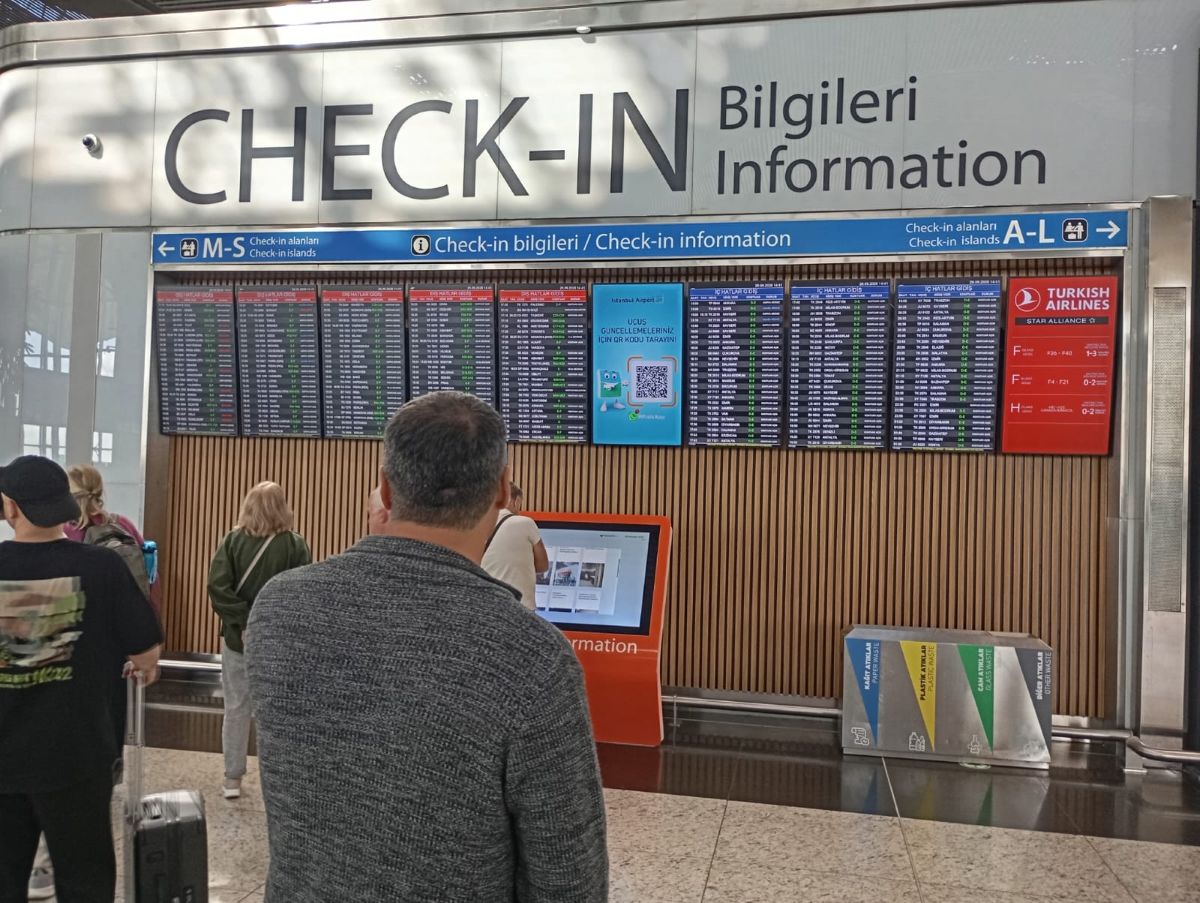
Travel in Middle East was severely disrupted as major airports record 1,725 delays and 121 aircraft cancelations, impacting travelers at Istanbul, Abu Dhabi, and other regional aviation hubs. The airports in Istanbul have experienced operational disruptions due to severe weather, torrential rains, and strong gusts. In the meanwhile, airlines have been forced to halt operations and modify flight itineraries due to security concerns and airspace restrictions in Saudi Arabia. As a result, major airports like Dubai, Doha, Jeddah, and Sharjah are under more operational strain. Additionally, airline timetables are complicated by regional air traffic limitations and aircraft route modifications, which may have an impact on international connections.
Which Middle East Airports Are Reporting the Highest Flight Delays and Cancellations?
Istanbul Airport has recorded the largest number of delays, with 481 delayed flights and nine cancellations. Dubai International Airport follows with 259 delays and 10 cancellations, while Istanbul’s Sabiha Gökçen International Airport reports 168 delays and 10 cancellations.
Saudi Arabia’s King Abdulaziz International Airport in Jeddah has registered 166 delays and 26 cancellations, representing the highest cancellation count among the 15 airports. Meanwhile, Hamad International Airport in Doha reports 112 delays and 16 cancellations.
Abu Dhabi’s Zayed International Airport has recorded 109 delays and two cancellations, while Sharjah International Airport reports 105 delays and seven cancellations.
Advertisement
Advertisement
Elsewhere, Cairo International Airport has registered 92 delays and five cancellations, while Israel’s Ben Gurion Airport reports 88 delays and one cancellation.
How Are Saudi Arabia, the UAE, Qatar and Other Countries Affected?
Saudi Arabia is experiencing substantial disruption across three major airports. King Fahd International Airport in Dammam reports 37 delays and 13 cancellations. King Khalid International Airport in Riyadh records 15 cancellations but no delays, while Jeddah leads the country’s cancellation figures.
Advertisement
Advertisement
The United Arab Emirates faces interruptions across four aviation hubs. Alongside Dubai, Abu Dhabi and Sharjah, Al Maktoum International Airport reports 11 delays and one cancellation.
Türkiye’s two Istanbul airports account for 649 delays and 19 cancellations, making them the largest contributors to the overall delay figures.
Advertisement
Advertisement
Other regional gateways are experiencing comparatively smaller disruptions. Bahrain International Airport has recorded 40 delays and two cancellations, while Jordan’s Queen Alia International Airport reports 30 delays and three cancellations. Muscat International Airport in Oman has registered 27 delays and one cancellation.
| Airport | Country | Origin cancellations % | Destination cancellations % |
|---|---|---|---|
| Cairo Intl (CAI) | Egypt | 0% | 1% |
| King Fahd Intl (DMM) | Saudi Arabia | 6% | 5% |
| Hamad Intl (DOH) | Qatar | 2% | 2% |
| Dubai Intl (DXB) | UAE | 0% | 1% |
| Istanbul (IST) | Turkey | 0% | 0% |
| King Abdulaziz Intl (JED) | Saudi Arabia | 2% | 4% |
| King Khaled Intl (RUH) | Saudi Arabia | 4% | 3% |
| Sabiha Gokcen (SAW) | Turkey | 1% | 1% |
| Sharjah Intl (SHJ) | UAE | 1% | 2% |
Which Airlines Are Most Affected by Middle East Flight Disruptions?
Turkish Airlines, Qatar Airways and Emirates Record Significant Delays
Turkish Airlines leads the airline disruption figures with 480 delays, affecting 29% of its recorded flights, alongside eight cancellations, shown as 0% after rounding.
Pegasus Airlines follows with 159 delays, representing 21%, and eight cancellations, accounting for 1%.
Qatar Airways reports 108 delays, equivalent to 16%, alongside 16 cancellations, representing 2%.
Advertisement
Advertisement
Emirates has recorded 127 delays, affecting 24% of its flights, and two cancellations, listed as 0% after rounding.
Air Arabia, Saudia and flydubai Face Operational Interruptions
Air Arabia has reported 90 delays, representing 38% of its recorded flights, alongside seven cancellations, equivalent to 3%.
Saudia records 85 delays, affecting 35%, and three cancellations, representing 1%. Meanwhile, flydubai reports 87 delays, equivalent to 32%, and one cancellation, listed as 0%.
EgyptAir has registered 32 delays, representing 12%, and six cancellations, equivalent to 2%.
Oman Air reports 17 delays, affecting 15%, alongside three cancellations, representing 2%. Saudi Arabia’s flyadeal records 17 delays, equivalent to 8%, and two cancellations, accounting for 1%.
Royal Jordanian reports one delayed flight, shown as 0%, and two cancellations, representing 1%. Meanwhile, Syria’s Fly Cham records two cancellations, equivalent to 25% of its recorded flights, with no delays.
Advertisement
Advertisement
These airline figures illustrate differing levels of operational pressure. However, airline and airport disruption counts should not be combined because they may cover the same flights.
What Should Passengers Do During Middle East Flight Disruptions?
Passengers travelling through Dubai, Doha, Abu Dhabi, Jeddah, Istanbul and other affected airports should verify their flight status before leaving for the airport.
Travellers should use official airline websites, mobile applications and airport departure information to identify schedule changes. Those facing cancellations should contact their airline to discuss rebooking, alternative connections or possible refunds.
Passengers travelling on connecting itineraries should confirm that onward flights remain valid, particularly when their journeys involve different airlines.
Travellers should retain booking confirmations, cancellation notifications and receipts for unexpected accommodation, transport or meal expenses. These documents may support insurance claims or reimbursement requests, depending on the applicable conditions.
Data Verification Notice
The flight disruption data presented in this report has been carefully compiled and reviewed by our editorial team using real-time aviation statistics recorded on 16 October 2026 at 3:34 pm Eastern Time (ET), USA.
Advertisement
Advertisement
Primary Sources: FlightAware and local correspondents.
Editorial Verification Process: All reported figures have undergone independent assessment and cross-verification by our human editorial team to maintain accuracy, reliability and transparency. Supporting records, including timestamped flight information, data logs and aviation feed snapshots, have been securely archived for future reference and historical verification.
Important Disclaimer: Flight-tracking information reflects operational conditions at the time of data collection. As airline schedules and airport operations change continuously, minor differences may arise between the figures published in this report and those displayed on official airline websites, airport information systems or departure boards.
For more information on flight cancellations and travel disruptions across the Middle East, read our earlier coverage. Click here to access the full report.
Advertisement
Verified by Somudranil Sarkar
