
Heathrow Delays £49 Billion Third Runway to 2039 as 3,500-Metre Expansion Plan Faces New Aviation Timeline Challenge

Published
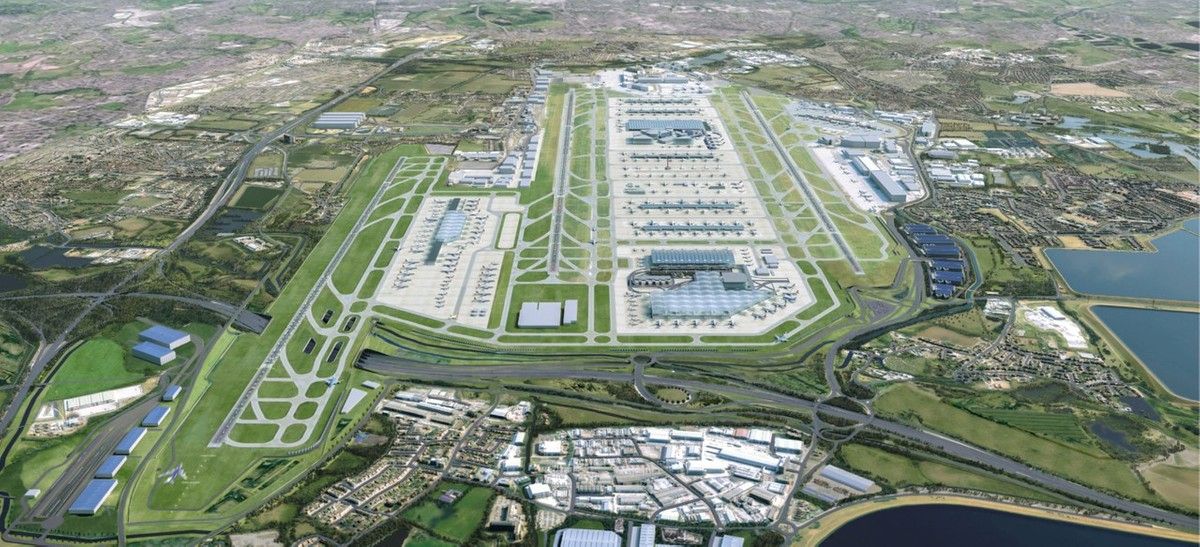
Image Credit: Media centre Heathrow
Heathrow Delays £49 Billion Third Runway to 2039 as 3,500-Metre Expansion Plan Faces New Aviation Timeline Challenge. It is creating renewed attention across the UK travel and aviation sectors. The major infrastructure project was designed to increase airport capacity, strengthen international connectivity and support future passenger growth. However, the revised timeline means the additional runway may not become operational until around 2039, subject to approvals and construction progress. Heathrow remains one of the world’s busiest international airports, handling millions of travellers every year. The expansion continues to be closely watched by airlines, tourism businesses and passengers seeking improved future connectivity.
Why does Heathrow’s third runway matter for UK tourism growth?
Heathrow’s third runway is not only an aviation infrastructure project; it is also closely linked with the future of UK tourism. The airport serves as the main international gateway for visitors arriving in London and travelling onwards to destinations across Britain.
In 2024, Heathrow handled 83.9 million passengers, highlighting the airport’s importance in global travel networks. With only two runways currently operating, Heathrow has limited space to increase flight activity compared with some competing European airports.
Advertisement
Advertisement
The proposed third runway aims to create additional capacity for airlines, allowing greater opportunities for international routes and improved connections.
| Heathrow Tourism Role | Current Situation |
|---|---|
| Passenger traffic | 83.9 million passengers in 2024 |
| Current runways | 2 |
| Proposed expansion | Third north-west runway |
| Proposed runway length | Up to 3,500 metres |
| Location | Heathrow Airport, London |
For tourism, greater airport capacity could support more international arrivals, particularly from long-haul markets such as North America, Asia and the Middle East.
Advertisement
Advertisement
How could the 2039 delay affect international visitors and airline connectivity?
The delay means Heathrow’s additional capacity will not be available until around 2039, subject to planning approval and construction progress. Until then, airlines will continue operating within the airport’s existing two-runway system.
For international visitors, airport capacity plays an important role in determining flight availability, route expansion and travel convenience.
Advertisement
Advertisement
| Tourism Area | Possible Effect of Delay |
|---|---|
| International arrivals | Limited additional capacity before expansion |
| New airline routes | Slower growth of future connections |
| Long-haul tourism | Potential restrictions on additional services |
| Peak travel periods | Continued pressure on airport capacity |
| UK destinations | Delayed improvements in global accessibility |
Heathrow is particularly important for long-haul tourism because many overseas visitors use the airport as their first point of entry into the UK.
A larger airport capacity could allow airlines to introduce more services and strengthen links between Britain and emerging tourism markets.
What does Heathrow expansion mean for London and UK tourism businesses?
London’s tourism sector depends heavily on international visitors arriving through major airports. Hotels, attractions, restaurants, tour operators and transport providers all benefit from strong global connectivity.
A delayed third runway means tourism businesses may have to continue operating without the additional visitor capacity that expansion could provide.
Advertisement
Advertisement
Potential tourism benefits of expansion include:
- Increased international visitor arrivals.
- More direct flight opportunities.
- Improved access to London attractions.
- Stronger connections to regional UK destinations.
- Greater support for hospitality businesses.
Heathrow has argued that expansion would improve Britain’s position as a global aviation hub and support economic growth through increased connectivity.
For tourism operators, improved air access can influence visitor numbers, especially from markets where direct flights play a major role in travel decisions.
How does Heathrow compare with other European tourism gateways?
Heathrow’s limited runway capacity has become a key discussion point when compared with other major European airports.
| Airport | Country | Number of Runways |
|---|---|---|
| Heathrow | United Kingdom | 2 |
| Paris Charles de Gaulle | France | 4 |
| Frankfurt Airport | Germany | 4 |
| Amsterdam Schiphol | Netherlands | 6 |
The comparison highlights the capacity challenge facing Heathrow as global travel demand continues developing.
European tourism destinations compete for international visitors, and airport connectivity is an important factor influencing where airlines operate routes.
Advertisement
Advertisement
The third runway project has therefore been viewed as a major opportunity to strengthen the UK’s position within global tourism networks.
What are the next steps before Heathrow’s third runway can support tourism growth?
The expansion project must complete several stages before construction and operation can begin. Heathrow aims to secure planning permission by 2029, after which construction could progress under the current timeline.
The next stages include:
| Stage | Requirement |
|---|---|
| Planning approval | Government and regulatory review |
| Environmental assessment | Evaluation of noise, air quality and climate impacts |
| Infrastructure preparation | Airport and transport improvements |
| Construction | Large-scale runway and facility development |
The project is estimated to involve around £49 billion in expansion and improvement investment, reflecting the scale of the development.
However, the final opening date depends on approvals, construction progress and regulatory decisions.
Conclusion
Heathrow delays £49 billion third runway to 2039 as the 3,500-metre expansion plan faces a new aviation timeline challenge because one of the UK’s largest infrastructure projects requires extensive planning, approval and construction work. The cause behind the delay is the complexity of expanding a major international airport while meeting regulatory and environmental requirements. The answer is continued investment, consultation and careful development. The reason the project remains important is Heathrow’s role in global aviation, handling 83.9 million passengers in 2024. Once completed, the expansion could transform UK connectivity, support tourism growth and create additional opportunities for airlines and travellers.
Advertisement
Advertisement
Image Credit: Media centre Heathrow
Advertisement
