

US Echoes Norway and Others in Affordable Island Travel as Boston’s Discounted Ferries Reach Coastal Trails

Updated
Published
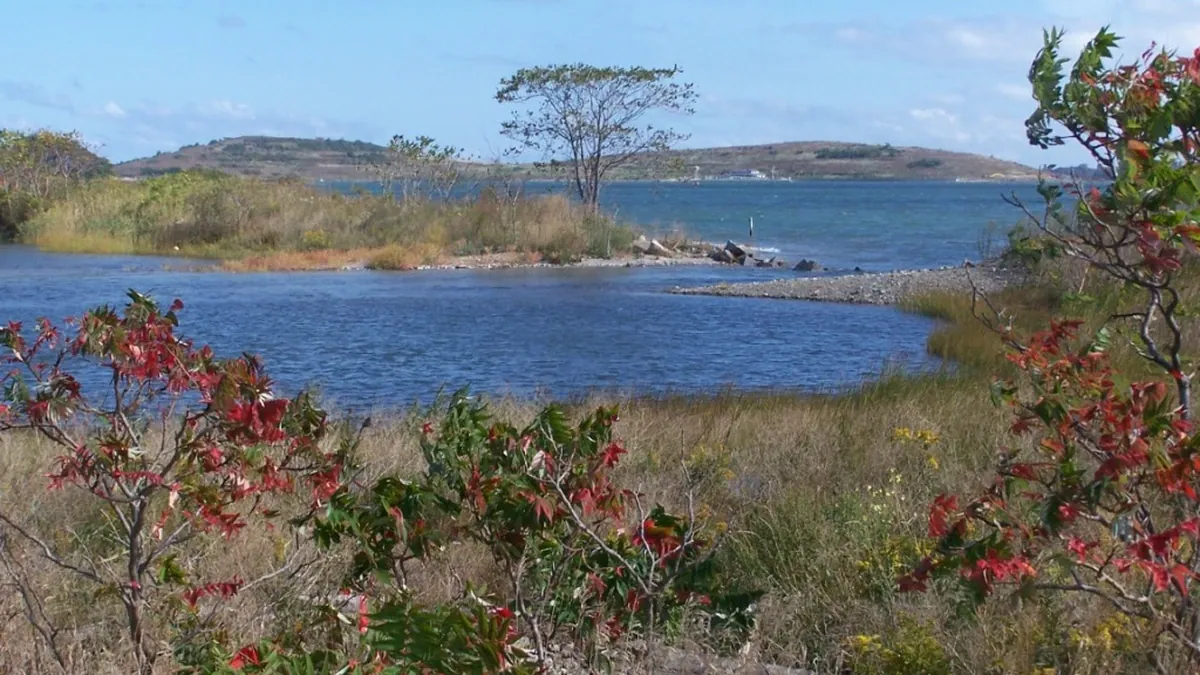
The United States is drawing attention to affordable island adventure tourism as Boston Harbor Islands offers US$5 ferry trips to Spectacle Island and Peddocks Island from 10 to 12 October 2026. The National Park Service confirms the seasonal promotion as public ferry operations approach their annual conclusion. Similar opportunities for low-cost island exploration exist in Canada, the United Kingdom, Norway and Australia, where public ferry networks connect travellers with coastal trails, wildlife habitats, cycling routes and natural attractions. The five countries share an approach to accessible island tourism, although their ferry fares and programmes operate independently.
Boston Harbor Islands’ $5 Ferry Finale Creates a Timely Opportunity for Outdoor Adventures
Boston Harbor Islands National and State Park is concluding its 2026 public ferry season with a limited three-day ticket promotion, allowing visitors to experience two distinctive island destinations at an advertised fare of US$5.
According to the United States National Park Service, the offer covers Saturday 10 October, Sunday 11 October and Monday 12 October 2026. The special services operate to Spectacle Island from Long Wharf North in downtown Boston and to Peddocks Island from Hingham Ferry Terminal.
The programme is a returning seasonal promotion rather than a newly introduced federal transport policy. Its significance for tourism lies in providing access to natural landscapes at a modest advertised price during the final days of the regular visitor season.
Advertisement
Advertisement
The destinations offer different experiences. Spectacle Island is particularly suited to scenic walks and panoramic harbour views, while Peddocks Island combines coastal environments, forest paths and military heritage.
Boston’s Official October Ferry Departures and Visitor Requirements
The National Park Service has published the following special-event timetable for the three-day promotion.
Advertisement
Advertisement
| Ferry route | Outbound departures | Return departures |
|---|---|---|
| Long Wharf North to Spectacle Island | 10.30 am and 12.30 pm | 1.30 pm and 3.30 pm |
| Hingham to Peddocks Island | 9 am, 10.30 am and noon | 11.15 am, 12.45 pm and 3.15 pm |
Visitors must arrive at least 30 minutes before departure. Long Wharf passengers should use Gate 5, while Peddocks Island passengers depart from the Hingham terminal at 28 Shipyard Drive.
Advance ticket purchases are recommended because purchases made in person depend on availability. Travellers should confirm the applicable ticket conditions before completing their bookings.
Advertisement
Advertisement
Five Countries Share a Common Opportunity in Affordable Island Adventure Tourism
The Boston promotion highlights a wider set of public transport opportunities that can support outdoor tourism without the need for private sightseeing cruises.
Official transport operators and tourism authorities across the five countries publish different fare arrangements, departure networks and seasonal conditions.
Verified Island Ferry Fares and Adventure Travel Opportunities in 2026
| Country | Destination | Official advertised adult fare | Ferry arrangement | Adventure tourism appeal |
|---|---|---|---|---|
| United States | Boston Harbor Islands | US$5 special-event ticket | 10–12 October promotion | Hiking, coastal scenery and historic exploration |
| Canada | Toronto Islands | C$9.57 return | Municipal passenger ferry network | Walking, cycling, birdwatching and waterfront exploration |
| United Kingdom | Great Cumbrae, Scotland | £4.60 return | Regular CalMac ferry service | Coastal cycling, walking and island sightseeing |
| Norway | Inner Oslofjord Islands | NOK 46 single | Zone 1 public transport ticket | Island hopping, forest walks and nature exploration |
| Australia | Southern Moreton Bay Islands | A$0.50 flat public transport fare | Eligible Translink passenger ferries | Coastal walks, wildlife observation and island excursions |
The prices represent different ticket products. Boston’s special-event ticket should not be treated as identical to the published return fares in Toronto and Scotland or to individual public transport journeys in Norway and Australia.
No common international promotion or shared ticketing scheme connects these five countries.
Advertisement
Advertisement
United States: Spectacle Island and Peddocks Island Bring Nature and Heritage Within Reach of Boston
The adventure appeal of the Boston Harbor Islands extends well beyond their waterfront setting.
According to the National Park Service, Spectacle Island offers approximately five miles of walking trails, including routes towards an elevated viewpoint overlooking Boston Harbor and the surrounding city.
Its walking network includes an accessible perimeter route, creating opportunities for different visitor groups to experience the island landscape.
Peddocks Island offers a contrasting outdoor environment. The National Park Service identifies approximately 184 acres of upland terrain, with coastal forests, marshland, historic structures and walking trails.
The island’s Fort Andrews heritage provides an additional cultural attraction. However, visitors must respect restrictions around historic buildings, many of which are closed because of safety concerns.
These features make the discounted ferry services relevant to independent walkers, families and small-group adventure itineraries. The combination of short marine journeys and land-based exploration provides an alternative to longer, more expensive coastal excursions.
Advertisement
Advertisement
Canada: Toronto Islands Combine Affordable Ferry Access With Cycling and Waterfront Exploration
Canada offers another example through Toronto Island Park, where the City of Toronto operates municipal ferry services from Jack Layton Ferry Terminal.
The published adult return fare is C$9.57, covering travel to the islands and the return journey to the mainland.
According to the City of Toronto, its autumn ferry timetable runs from 16 September until 13 October 2026, with services to Centre Island, Hanlan’s Point and Ward’s Island. From 14 October, the winter schedule concentrates on Ward’s Island, with ferry access continuing year-round.
Toronto’s island landscape is suited to walking and cycling. The city identifies a 1.5-kilometre boardwalk and a wider network of pedestrian and cycling routes.
The walking distance between Centre Island and Ward’s Island is approximately 2.9 kilometres, with an estimated journey time of 35 minutes.
For tourism businesses, these connections provide opportunities to design flexible waterfront experiences without relying exclusively on guided commercial tours.
Advertisement
Advertisement
Visitors should nevertheless account for ferry capacity, possible waiting times and weather-related changes.
United Kingdom: Scotland’s Great Cumbrae Supports Low-Cost Cycling and Island Day Trips
In Scotland, Great Cumbrae offers an established example of affordable island tourism through the regular ferry route from Largs to Cumbrae Slip.
According to Caledonian MacBrayne, the summer 2026 adult passenger fare is £2.30 for a single journey and £4.60 for a return.
The published summer timetable remains valid until 18 October 2026, with the winter timetable scheduled to begin on 19 October.
Great Cumbrae is particularly attractive to cyclists. VisitScotland identifies an approximately 10-mile coastal circuit that allows visitors to explore sea views, beaches and island settlements.
Millport, the island’s main town, provides access to visitor amenities and bicycle hire. Travellers arriving at Cumbrae Slip must also plan their onward journey into Millport.
Advertisement
Advertisement
CalMac permits bicycles to travel without an additional bicycle fare, although groups travelling with six or more cycles must contact the port office in advance.
For small adventure travel operators, the combination of affordable ferry tickets and cycling opportunities creates a practical foundation for organised day trips.
Norway: Oslofjord Ferries Bring Scenic Island Hopping Into the Urban Transport Network
Norway demonstrates how island tourism can form part of an integrated public transport system.
In Oslo, travellers can reach islands in the inner Oslofjord using regular ferry services covered by the city’s public transport ticketing arrangements.
According to Ruter and VisitOSLO, the standard adult single fare for Zone 1 is NOK 46 from 25 January 2026. A single-zone ticket remains valid for 60 minutes and can be used across eligible buses, trams, metro services and ferries.
The year-round B1 ferry service connects several islands, including Hovedøya, Bleikøya, Gressholmen, Lindøya and Nakholmen.
Advertisement
Advertisement
Hovedøya combines forest paths, coastal areas and the remains of a medieval monastery. The island is particularly suited to visitors seeking nature and cultural heritage within a short journey from central Oslo.
VisitOSLO also identifies conservation restrictions on parts of the island, including prohibitions on camping and open fires.
These arrangements provide an example of public transport supporting outdoor tourism while retaining environmental safeguards and year-round connectivity.
Australia: Queensland’s 50-Cent Ferries Provide Another Model for Island Exploration
Australia’s Southern Moreton Bay Islands offer a different approach through Queensland’s low-fare public transport system.
According to Translink, the A$0.50 flat fare applies to eligible passenger ferry services within its network, including Southern Moreton Bay Island ferries.
These services connect Redland Bay Marina with Russell Island, Macleay Island, Lamb Island and Karragarra Island.
Advertisement
Advertisement
Tourism and Events Queensland identifies the islands as destinations for relaxed coastal exploration, walking, wildlife observation, swimming and local cultural experiences.
The islands also offer opportunities for nature-based day trips, particularly for travellers interested in birdlife and Moreton Bay’s coastal environment.
However, low fares do not guarantee uninterrupted transport.
On 11 October 2026, Translink issued a service notice advising that Southern Moreton Bay Island ferry operations were suspended for the remainder of that evening because of mechanical issues. The disruption affected services linking Redland Bay with the four islands.
This distinction is particularly important for operators selling fixed-time island excursions.
Ferry Infrastructure and Fleet Investment Are Shaping Future Adventure Tourism Access
Beyond current fares, infrastructure investment is becoming an important part of island tourism planning.
Advertisement
Advertisement
The City of Toronto reports that its existing primary ferry fleet carries approximately 1.4 million passengers annually. The municipality is progressing a programme to replace ageing vessels with new electric ferries.
The first vessel, Lady of the Quays, is scheduled for delivery in late 2026, followed by Toronto Islander in 2027. Both remain subject to commissioning and operational approval.
The passenger-only Toronto Islander is designed to accommodate approximately 1,300 passengers, substantially increasing capacity compared with the vessel it is intended to replace.
Toronto estimates that replacing its full ferry fleet with electric vessels could eventually reduce annual greenhouse gas emissions by approximately 2,900 tonnes. This is a projected benefit following fleet replacement, not an emissions reduction already achieved.
In Queensland, access infrastructure is also changing. Redland City Council reports that parking arrangements at Weinam Creek will be affected by construction connected with future parking improvements.
An existing seven-day free parking area is scheduled to close from 28 October 2026, requiring travellers to consider alternative parking arrangements.
Advertisement
Advertisement
These developments illustrate how affordable island tourism depends on more than the price of a ferry ticket. Terminal capacity, fleet reliability and access infrastructure all influence the visitor experience.
October 2026 Ferry Timetables Reveal Different Seasonal Tourism Opportunities
The five-country comparison also reveals important differences in seasonal accessibility.
Boston’s discounted ferry programme finishes on 12 October as the park’s public ferry season concludes.
Toronto continues its autumn three-route schedule through 13 October before moving to its winter service from 14 October.
Scotland’s Largs–Cumbrae summer timetable continues until 18 October, after which the winter timetable takes effect.
Oslo maintains year-round island access on its B1 route, while Queensland’s relevant passenger ferry network is not presented as a three-day seasonal tourism promotion.
Advertisement
Advertisement
For tour operators, these differences influence which itineraries can be sold throughout the year and which experiences require careful seasonal planning.
They also demonstrate why travellers must distinguish between an island remaining geographically accessible and a particular scheduled visitor service remaining available.
Why Affordable Public Ferries Matter to the International Adventure Tourism Industry
The most significant connection between these five countries is not a shared discount. It is the way existing transport networks can lower the cost of reaching outdoor experiences.
Traditional adventure tourism products often involve specialist guides, private transfers or premium excursions. Public island ferries create another entry point, allowing visitors to combine regular transport with independent walking, cycling and nature exploration.
This creates several commercial possibilities. Travel agents can combine ferry access with local bicycle hire, accommodation, food experiences and guided activities. Tour operators can develop shorter programmes for travellers who want outdoor experiences without committing to expensive multi-day packages.
However, low ferry fares do not automatically prove stronger visitor spending or higher tourism growth. Such outcomes would require destination-specific expenditure and passenger data.
Advertisement
Advertisement
The greater opportunity is in product design. Operators can offer clearly priced experiences while allowing customers to choose the level of guiding and additional services they need.
There is also a capacity challenge. Affordable access can increase interest in sensitive coastal locations, making responsible visitor management essential.
The strongest tourism proposition therefore combines accessible pricing, reliable transport, environmental protection and practical visitor information.
Sustainable Island Tourism Requires Stronger Conservation and Visitor Management
Island destinations frequently contain fragile coastal habitats and wildlife areas that require careful protection.
Boston Harbor Islands includes sensitive natural environments and historic sites. Visitors must remain on permitted routes and follow park safety requirements.
Toronto Island Park combines recreational access with protected shoreline environments. The city continues to undertake restoration and access improvements around areas affected by erosion and environmental pressure.
Advertisement
Advertisement
Parts of Oslo’s island network are protected nature reserves, while Queensland’s Southern Moreton Bay region contains important coastal and wetland habitats.
Adventure tourism operators can support sustainable visitation by using established pathways, explaining local restrictions and avoiding activities that disturb wildlife.
Low-cost transport can improve accessibility, but responsible management determines whether that access produces lasting tourism benefits.
Essential Operational Takeaways for Travel Agents and Tour Operators
Travel businesses developing island adventure packages should consider the following measures:
- Verify the fare product: Distinguish single journeys, return tickets, temporary promotions and integrated public transport fares.
- Check operating dates: Confirm seasonal timetable changes before advertising fixed departures.
- Monitor disruptions: Review official ferry service notices for mechanical problems, weather restrictions and cancellations.
- Allow connection time: Provide enough time for terminal check-in, boarding and return journeys.
- Assess additional costs: Identify bicycle hire, local buses, parking, accommodation and optional guiding charges.
- Protect sensitive environments: Include local conservation rules and visitor safety requirements in itineraries.
- Plan for accessibility: Confirm vessel access, walking surfaces and suitable alternatives for travellers with reduced mobility.
Affordable Island Adventure Travel Could Become a Stronger Part of Tourism Planning Beyond 2026
Boston’s US$5 ferry promotion is a short-term opportunity, but the wider comparison reveals a more enduring tourism model.
Canada, the United Kingdom, Norway and Australia demonstrate how regular transport connections can support island experiences across different landscapes and operating seasons.
Advertisement
Advertisement
Future improvements in ferry capacity, terminal infrastructure and sustainable transport may create further opportunities for destinations to develop accessible coastal tourism.
For the global travel industry, the long-term opportunity is not simply to promote inexpensive ferry crossings. It is to turn affordable transport access into well-planned outdoor experiences that create value for travellers, local businesses and destinations while protecting natural environments.
FAQs
1. When does Boston’s US$5 island ferry promotion end?
The promotion runs from 10 to 12 October 2026. According to the National Park Service, it covers visits to Spectacle Island and Peddocks Island during the closing weekend of the public ferry season. Advance ticket purchases are recommended.
2. Which five countries are included in this adventure tourism comparison?
The countries are the United States, Canada, the United Kingdom, Norway and Australia. Their common connection is affordable public ferry access to islands suitable for walking, cycling, nature exploration and other outdoor activities. They are not participating in a joint international promotion.
3. Can visitors travel to Toronto Islands throughout the year?
Yes. The City of Toronto operates year-round ferry services. Its autumn 2026 timetable provides three island routes through 13 October, while the winter timetable beginning 14 October concentrates on Ward’s Island.
4. Are public ferries in Oslo suitable for independent island hopping?
Yes. Oslo’s B1 ferry route operates throughout the year and connects several inner Oslofjord islands. Travellers can use eligible Ruter tickets, subject to ticket validity periods, seasonal departure frequency and local conservation rules.
5. Does Queensland’s 50-cent fare apply to every island ferry service?
No. The fare applies to services included in Translink’s eligible public transport network, including Southern Moreton Bay Island passenger ferries. Travellers must check individual service eligibility and operating conditions rather than assuming every commercial island ferry offers the same price.
Advertisement
