

USA Takes on Canada and Sweden as Alaska AFN Convention 2026 Showcases Indigenous Art and Heritage

Published
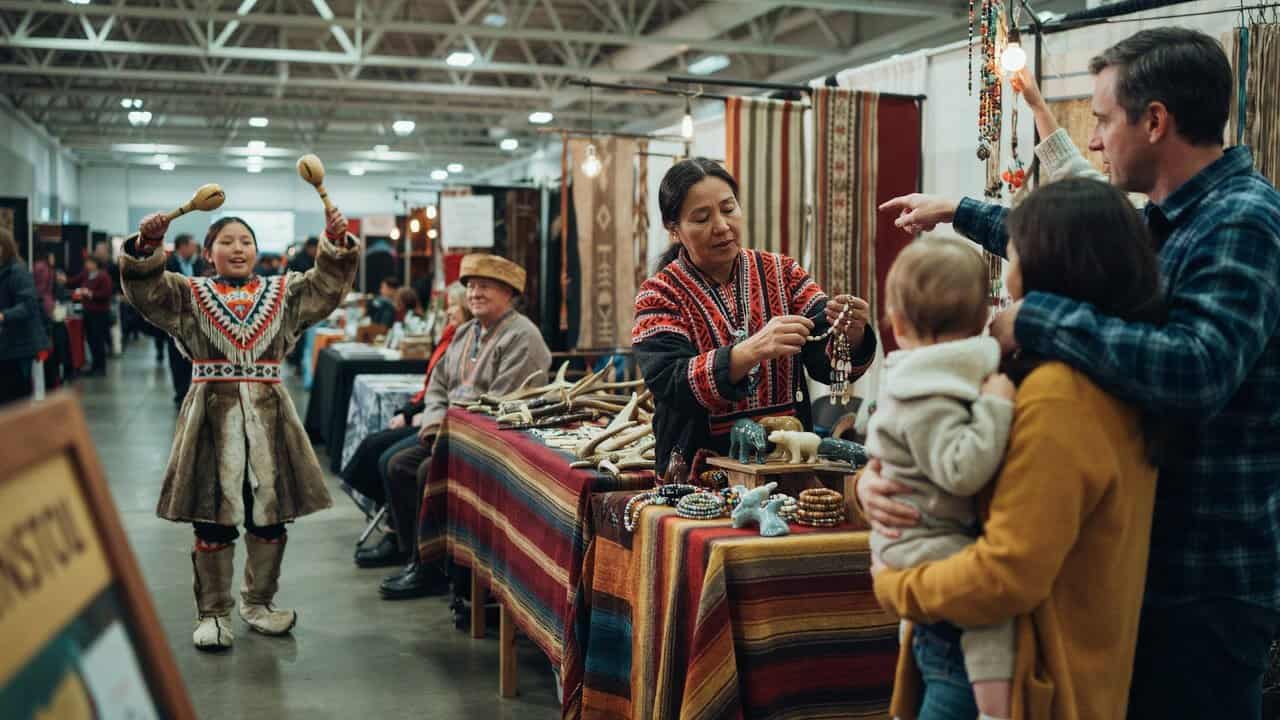
USA Takes on Canada and Sweden as Alaska AFN Convention 2026 Showcases Indigenous Art and Heritage, highlighting Anchorage’s growing importance as a destination for cultural tourism. Scheduled for 22–24 October, the gathering brings together Alaska Native communities, artisans, policymakers and visitors to celebrate Indigenous traditions. While Canada and Sweden host their own significant Indigenous cultural gatherings, Alaska offers a distinctive combination of traditional craftsmanship, cultural performances and policy discussions, creating valuable opportunities for heritage tourism and local economic development.
The Alaska Federation of Natives (AFN) Annual Convention and Native Art Fair convenes in Anchorage from October 22 to 24, 2026, marking the largest representative gathering of Indigenous peoples in the United States. Serving as a high-stakes policy assembly, an economic engine, and a premier cultural celebration, the gathering unites Alaska Native delegates, federal dignitaries, industry executives, and international Indigenous observers.
Where Does the Event Take Place and Who Is Participating?
The convention is hosted at the Dena’ina Civic and Convention Center in downtown Anchorage, with auxiliary cultural events and exhibition overflow extending into the adjacent William A. Egan Civic & Convention Center. The location holds geographic significance: situated on traditional Dena’ina Athabascan lands, Anchorage provides the necessary logistics, transport links, and venue capacity to accommodate thousands of delegates traveling from off-road villages.
Participation spans multiple civic, corporate, and governmental tiers:
Advertisement
Advertisement
- Delegates and Leadership: Accredited representatives from Alaska’s 12 regional Native corporations, over 200 federally recognized tribes, and village corporations formed under the Alaska Native Claims Settlement Act (U.S. Department of the Interior).
- Artisans and Performers: Over 150 master artisans, ivory carvers, weavers, and jewelers from across the Arctic, Subarctic, and Southeast regions display authentic works at the Native Art Fair, alongside traditional dance groups competing during the evening Quyana performances.
- State and Federal Officials: Cabinet-level leaders, members of the U.S. Congressional Delegation, and representatives from the State of Alaska address plenary sessions on land rights, energy policy, subsistence hunting, healthcare infrastructure, and federal trust responsibilities.
What Does the Five-Year Attendance Trend Reveal?
Tracking attendance from 2021 through 2025 highlights a strong post-pandemic recovery and long-term stabilization, as monitored by municipal event records and official municipal tourism reporting:
| Year | Primary Host City | Estimated Total In-Person Attendees | Remote / Virtual Registered Participants | Key Factor Affecting Attendance |
| 2021 | Virtual / Anchorage Hub | ~1,200 (Limited) | 5,500+ | Strict public health protocols; fully remote voting. |
| 2022 | Anchorage | ~4,800 | 2,100 | First full in-person return to Dena’ina Center. |
| 2023 | Anchorage | ~5,600 | 1,800 | Surging youth and elder delegation participation. |
| 2024 | Anchorage | ~5,900 | 1,500 | Expansion of regional corporate sponsorship programs. |
| 2025 | Anchorage | ~6,100 | 1,400 | Record artisan booth applications and interstate visitor volume. |
Over the five-year cycle, overall physical attendance rebounded by over 400% compared to 2021 restrictions, settling into a sustainable average of 5,500 to 6,200 verified convention registrants and market visitors.
Advertisement
Advertisement
Which Other Countries Host Similar Indigenous Assemblies?
While the AFN Convention is distinct to Alaska Native legal and corporate framework, comparable national-level Indigenous conventions and cultural markets take place across circumpolar and Commonwealth nations:
- Canada: The Assembly of First Nations (AFN) Annual General Assembly functions as the country’s equivalent political summit, while the Santa Fe Indian Market in the contiguous U.S. and the Indigenous Tourism Association of Canada showcase parallel marketplace operations.
- Norway, Sweden, and Finland: The cross-border Sámi Parliament (Sámediggi) sessions and cultural gatherings such as the Jokkmokk Winter Market assemble Indigenous Sámi reindeer herders, artisans, and policy advocates in northern Fennoscandia.
- Greenland (Kalaallit Nunaat): Regional summits coordinated through the Inuit Circumpolar Council address circumpolar governance, environmental baseline monitoring, and Indigenous trade routes.
- New Zealand (Aotearoa): The annual Te Matatini National Kapa Haka Festival and tribal Iwi summits bring together tens of thousands of Māori participants for cultural preservation and sovereign rights discourse.
Which Regions of Travelers Attend Most Frequently?
Geographic travel patterns to the convention fall into three main groups:
- Rural and Remote Alaska (65–70%): The vast majority of travelers arrive from the Bering Strait, Yukon-Kuskokwim Delta, North Slope, Interior, and Southeast archipelagos via regional air carriers like Alaska Airlines and bush flight services.
- The Pacific Northwest & Contiguous U.S. (20–25%): Business partners, defense contractors, institutional investors, federal regulators from Washington, D.C., and Indigenous representatives from Lower-48 tribal nations.
- International Arctic Circumpolar Travelers (5–10%): Visiting delegations primarily hail from Canada (Yukon, Northwest Territories, Nunavut) and Greenland, arriving via Anchorage’s Ted Stevens International Airport for cross-border Arctic policy alignment.
Which Country Benefits Most and How Are Tourism and Economy Impacted?
The United States—specifically the sub-economy of Southcentral Alaska—is the single greatest economic beneficiary.
According to data synthesized from Visit Anchorage Financial & Economic Reports and municipal tax collection records, the three-day convention generates an estimated $6 million to $8 million in direct economic spending, providing critical shoulder-season revenue to downtown businesses:
- Hospitality and Lodging: October sits directly between peak summer cruise tourism and mid-winter aurora excursions. AFN creates near 100% occupancy across major Anchorage hotels, fueling municipal bed-tax coffers.
- Direct Artisan Revenue: The Native Art Fair serves as the primary annual retail event for hundreds of rural micro-entrepreneurs. Direct-to-consumer sales inject millions of dollars directly back into remote village economies that lack formal banking or commercial retail outlets.
- Aviation and Freight Logistics: Intra-state air corridors and cargo carriers experience high cargo and passenger volume, transporting family units, cultural regalia, and harvested native foods between rural hubs and Southcentral Alaska.
Through sovereign policy leadership, cultural preservation, and calculated regional economic stimulus, the AFN Convention remains the cornerstone event shaping Alaska’s civic calendar.
USA Takes on Canada and Sweden as Alaska AFN Convention 2026 Showcases Indigenous Art and Heritage, reinforcing Anchorage’s role in preserving cultural traditions and supporting Indigenous tourism. The three-day gathering offers opportunities for cultural exchange, artisan businesses and community engagement while strengthening Alaska’s visitor economy. As Canada and Sweden continue celebrating their Indigenous heritage through established cultural events, Alaska’s convention demonstrates how traditional knowledge, authentic artistic expression and community leadership can contribute to sustainable tourism and greater international cultural understanding.
Advertisement
