
Australia and New Zealand Anchor in the Arrival of Maximum Number of World Travelers Along With Other Oceanian Countries

Published
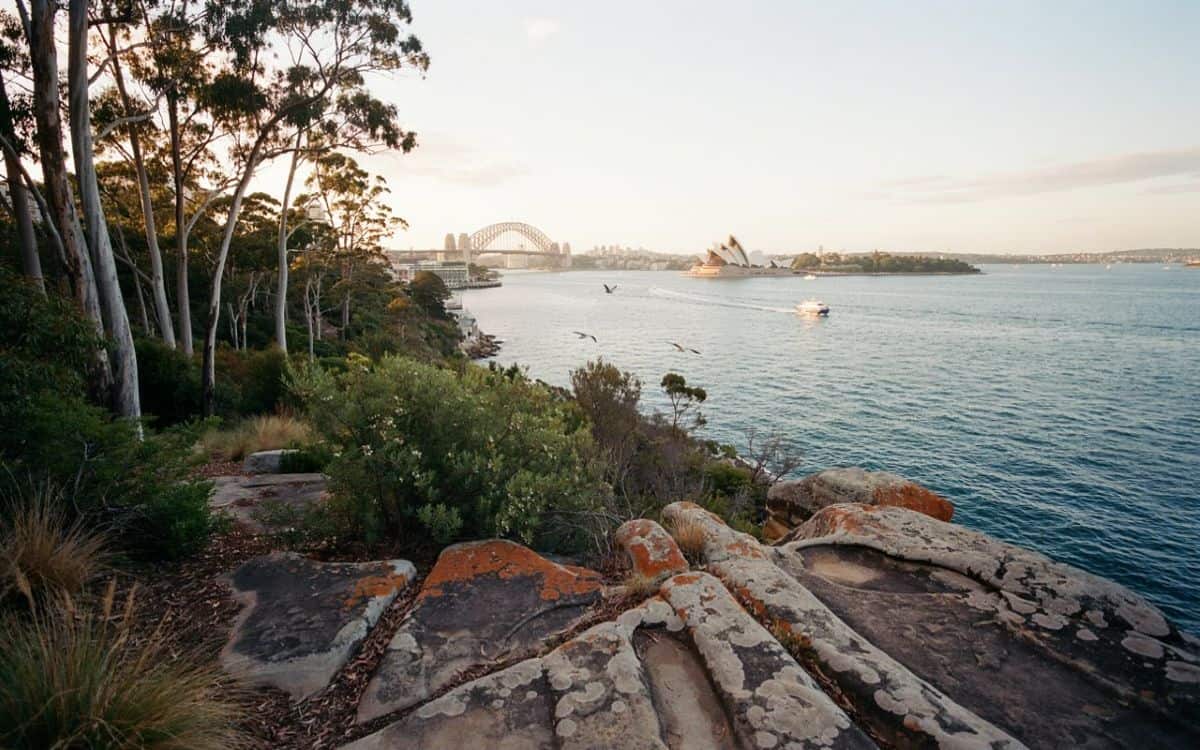
Image generated with Ai
Oceania is currently experiencing a significant post-pandemic travel boom. The region’s travel and tourism sector is projected to inject over $112 billion into the local economy over the next decade, driven by strong international demand and strategic shifts toward sustainable tourism. While major players like Australia and New Zealand continue to dominate raw arrival numbers, several Pacific Island nations are seeing unprecedented growth as travelers seek out pristine natural environments and authentic cultural experiences. Millions are rapidly packing their bags. They are flying straight to the South Pacific. Forget those traditional European summer getaways. Tourists are absolutely obsessed with this tropical region right now. The global travel map has completely shifted. Industry experts are left totally stunned.
Trending Oceanian Destinations Among World Travelers
| Country | 2025/2026 Tourism Trends | Key Attractions | Target Traveler |
| Australia | Ranked 4th globally on the 2026 Travel & Tourism Development Index. Experiencing ~19% regional growth. | Cosmopolitan cities, the Great Barrier Reef, vast Outback landscapes, and world-class culinary scenes. | Luxury seekers, road-trippers, and long-haul adventurers. |
| Fiji | Hit a massive milestone with a record 986,367 visitors in 2025 and broke 100,000 monthly arrivals in July 2026. | The Mamanuca and Yasawa Islands, the Coral Coast, traditional village visits, and soft-coral diving. | Honeymooners, families, and resort-goers seeking accessible tropical luxury. |
| New Zealand | Queenstown has emerged as one of the top trending global travel destinations for 2026. | Adrenaline sports (bungee, jet boating), alpine hiking trails, vineyards, and indigenous Māori culture. | Adventure enthusiasts, nature lovers, and extreme sports fans. |
| Samoa | Reported a 14% year-over-year increase in visitors by mid-2026, leaning heavily into sustainable community-hosted stays. | The To Sua Ocean Trench, pristine waterfalls, deeply rooted Polynesian culture, and uncrowded coastlines. | Cultural explorers and eco-conscious travelers looking for authenticity. |
| Vanuatu | Smaller visitor footprints (~30k annually) but gaining rapid attention for its untouched biodiversity. | Crystal-clear inland “Blue Holes,” active volcanoes (Mt. Yasur), and vibrant indigenous heritage. | Intrepid explorers, scuba divers, and off-the-beaten-path backpackers. |
Why is Oceania experiencing such an unprecedented tourism boom in 2026?
The global travel landscape has shifted dramatically in recent years, and Oceania has positioned itself perfectly at the forefront of this new era. Following a period of global economic recalibration, international travelers are no longer just looking for quick, superficial weekend getaways; they are actively seeking profound, transformative experiences. The South Pacific, with its vast geographic diversity, offers exactly that. By the end of 2025, it became abundantly clear that tourists were prioritizing open spaces, environmental sustainability, and authentic cultural connections over crowded European capitals or heavily commercialized hubs. This geographical region has capitalized on enhanced aviation connectivity, making long-haul flights from North America and Europe more comfortable and frequent than ever before. Furthermore, regional tourism boards have executed brilliant, highly targeted marketing campaigns that speak directly to niche demographics, ranging from luxury seekers to rugged backpackers, effectively turning the entire Oceanic region into the world’s most desirable playground.
Advertisement
Advertisement
How did Australia secure its spot as a top global destination this year?
Australia has always been a titan in the global travel industry, but its performance in 2025 and 2026 has been nothing short of spectacular. Currently ranked fourth globally on the prestigious 2026 Travel & Tourism Development Index, the massive country is experiencing a staggering nineteen percent regional growth. This success isn’t an accident; it is the direct result of a meticulously crafted national strategy that leverages Australia’s multifaceted appeal. The country offers an unmatched duality: highly cosmopolitan, hyper-modern cities like Sydney and Melbourne sit in stark contrast to ancient, untamed wilderness. The government has heavily invested in modernizing infrastructure, ensuring that high-spending tourists can navigate the continent with seamless ease. By continuously promoting its world-class culinary scenes, robust domestic aviation network, and iconic natural wonders like the Great Barrier Reef, Australia has successfully cemented its reputation as a premier destination that justifies the required long-haul commitment.
What kind of traveler is fueling Australia’s massive nineteen percent regional growth?
The demographic profile of the tourists flocking to Australia has evolved significantly, heavily contributing to the nation’s massive nineteen percent growth rate. Today’s quintessential Australian visitor is a well-funded luxury seeker, a dedicated road-tripper, or an ambitious long-haul adventurer. These aren’t budget-conscious weekenders; they are travelers willing to invest considerable time and financial resources into a comprehensive, multi-week itinerary. Luxury seekers are drawn to exclusive experiences like private helicopter tours or ultra-premium lodge stays nestled deep within the vast Outback landscapes. Meanwhile, the modern road-tripper is taking advantage of newly upgraded coastal highways, renting high-end campervans to explore the rugged coastline at their own pace. This influx of high-yield tourists means that while overall arrival numbers are impressive, the actual economic impact per visitor has skyrocketed, injecting billions of dollars into local economies and supporting tens of thousands of vital regional hospitality jobs.
Advertisement
Advertisement
What strategies pushed Fiji to shatter its historical visitor records?
Fiji has effectively rewritten the playbook for island tourism, hitting a massive, historic milestone with a record 986,367 visitors in 2025. This incredible momentum has only accelerated, with the nation officially breaking the 100,000 monthly arrivals barrier in July 2026. This unprecedented surge is the direct result of a highly aggressive, deeply strategic push into new international markets, particularly North America and emerging Asian economies. Fiji Airways significantly expanded its route network, offering direct, competitively priced flights that bypassed traditional, tedious transit hubs. Additionally, the Fijian government streamlined entry protocols and heavily supported sustainable resort development to ensure capacity could meet skyrocketing demand. By positioning itself as an accessible, yet deeply exotic destination, Fiji successfully bridged the gap between exclusive island luxury and mainstream vacation appeal. The marketing message was clear and irresistible: tropical paradise is closer, more affordable, and more welcoming than travelers ever thought possible.
Why do families and honeymooners continue to flock to the Fijian islands?
The enduring magic of Fiji lies in its uncanny ability to cater flawlessly to two distinct demographics simultaneously: honeymooners seeking absolute privacy and families demanding comprehensive entertainment. The archipelago, particularly the stunning Mamanuca and Yasawa Islands, offers an incredible spectrum of accommodations. Honeymooners are heavily drawn to the pristine, adults-only luxury resorts dotting the famous Coral Coast, where overwater bungalows and private beachfront dinners provide ultimate romantic seclusion. Conversely, families are captivated by the legendary Fijian hospitality, which includes world-class kids’ clubs, interactive traditional village visits, and family-friendly soft-coral diving experiences. The local culture is inherently warm and family-centric, meaning parents can genuinely relax knowing their children are safe and engaged. This unique blend of accessible tropical luxury, breathtaking natural beauty, and genuine cultural warmth ensures that Fiji remains the undisputed crown jewel of the South Pacific for romance and family bonding alike.
Advertisement
Advertisement
How is Queenstown dominating the global charts for thrill-seeking tourists?
New Zealand has long been synonymous with breathtaking landscapes, but Queenstown has recently broken away from the pack to emerge as one of the absolute top trending global travel destinations for 2026. Nestled on the shores of Lake Wakatipu and surrounded by dramatic alpine ranges, Queenstown has masterfully branded itself as the undisputed adventure capital of the world. It is a powerful magnet for extreme sports fans, adrenaline enthusiasts, and nature lovers who want to push their physical limits. The sheer concentration of high-octane activities is staggering. Visitors can seamlessly transition from terrifying bungee jumps off historic suspension bridges to high-speed jet boating through narrow, jagged river canyons. The town’s tourism infrastructure is built entirely around facilitating these extreme experiences, offering world-class safety standards alongside heart-stopping thrills. For the modern traveler seeking an unforgettable adrenaline rush, Queenstown is simply without equal on the global stage.
How does New Zealand balance extreme sports with rich cultural immersion?
While adrenaline sports draw massive crowds to New Zealand, it is the country’s profound commitment to cultural preservation and natural beauty that keeps them coming back. Beyond the bungee jumps and jet boats, New Zealand offers a deeply spiritual and grounding travel experience. The nation has successfully integrated its indigenous Māori culture into the very fabric of its tourism industry. Travelers are increasingly prioritizing authentic encounters, such as staying in traditional marae meeting grounds, learning the deep historical significance of the land, and participating in ancient storytelling traditions. Furthermore, the country’s expansive network of alpine hiking trails and world-renowned vineyards provide a necessary counterbalance to the extreme sports scene. A tourist can spend the morning skydiving, the afternoon hiking through untouched wilderness, and the evening sampling award-winning Pinot Noir. This delicate balance of high-octane thrills and quiet, cultural reverence truly defines the modern New Zealand tourist experience.
Advertisement
Advertisement
What is driving Samoa’s impressive double-digit growth in recent months?
While larger nations often dominate the raw numerical headlines, Samoa is quietly achieving some of the most impressive proportional growth in the entire region, reporting a stellar fourteen percent year-over-year increase in visitors by mid-2026. This surge is not driven by the construction of massive, impersonal mega-resorts, but rather by a very deliberate pivot toward sustainable, community-hosted stays. Samoa has successfully tapped into a rapidly growing demographic of cultural explorers and eco-conscious travelers who are actively seeking authenticity over manufactured luxury. Visitors are deeply drawn to the pristine, untouched beauty of natural marvels like the To Sua Ocean Trench and the islands’ magnificent, cascading waterfalls. More importantly, travelers are embracing the traditional Samoan way of life. By staying in village-run accommodations on uncrowded coastlines, tourists are experiencing a deeply rooted Polynesian culture that remains fiercely protected, highly respected, and beautifully intact in the modern era.
Why is Vanuatu becoming the ultimate haven for off-the-beaten-path backpackers?
With a relatively small visitor footprint of approximately 30,000 tourists annually, Vanuatu is strategically leaning into its status as Oceania’s best-kept secret. It is rapidly gaining global attention, particularly among intrepid explorers, serious scuba divers, and off-the-beaten-path backpackers who actively want to avoid commercialized, crowded tourism circuits. Vanuatu offers an unapologetically raw and thrilling travel experience. The archipelago boasts incredible, untouched biodiversity, most famously characterized by its crystal-clear inland “Blue Holes,” which offer surreal freshwater swimming experiences hidden deep within dense rainforests. Furthermore, it is one of the very few accessible places on earth where travelers can stand on the rim of an active, erupting volcano, Mount Yasur. Combined with a vibrant, welcoming indigenous heritage and world-class coastal environments, Vanuatu provides an authentic, rugged adventure that feels completely removed from the polished, highly curated sheen of traditional Pacific island mega-resorts.
Can the Pacific islands sustain this immense travel surge without losing their charm?
As Oceania continues to shatter tourism records throughout 2026, a critical question looms over the region’s boardrooms: can these nations manage this explosive growth sustainably? The risk of overtourism is very real, threatening the delicate coral reefs, pristine rainforests, and tight-knit island communities that draw global visitors in the first place. Fortunately, the data suggests that these countries are proactively mitigating these risks. Unlike previous decades, the current strategy across the region emphasizes value over sheer volume. Nations like Samoa and Vanuatu are implementing strict environmental protections and focusing heavily on community-led tourism models that ensure tourist dollars stay within local villages. Even heavyweights like Australia and New Zealand are aggressively promoting off-peak travel and encouraging visitors to explore lesser-known regional areas to disperse the environmental load. By prioritizing ecological preservation, Oceania is proving that massive economic growth and environmental stewardship can successfully coexist in modern tourism.
People crave vast open spaces after years of stress. They want pure air. They demand authentic adventures. The answer is obvious. Oceania is the ultimate global hotspot today. Nations here offer exactly what tired workers need. But what is the core reason for their massive success? They invested heavily in green tourism. Their local infrastructure is absolutely flawless. Smart policies protect their highly stunning landscapes. They promise an epic and truly unforgettable escape. Tourists simply cannot resist this perfect combination. This region will reign supreme for decades. Pack your bags right now!
Advertisement
