
Australia’s Queensland Transforms Health Travel With First Virtual Mental Care Model Reducing Travel Barriers

Published
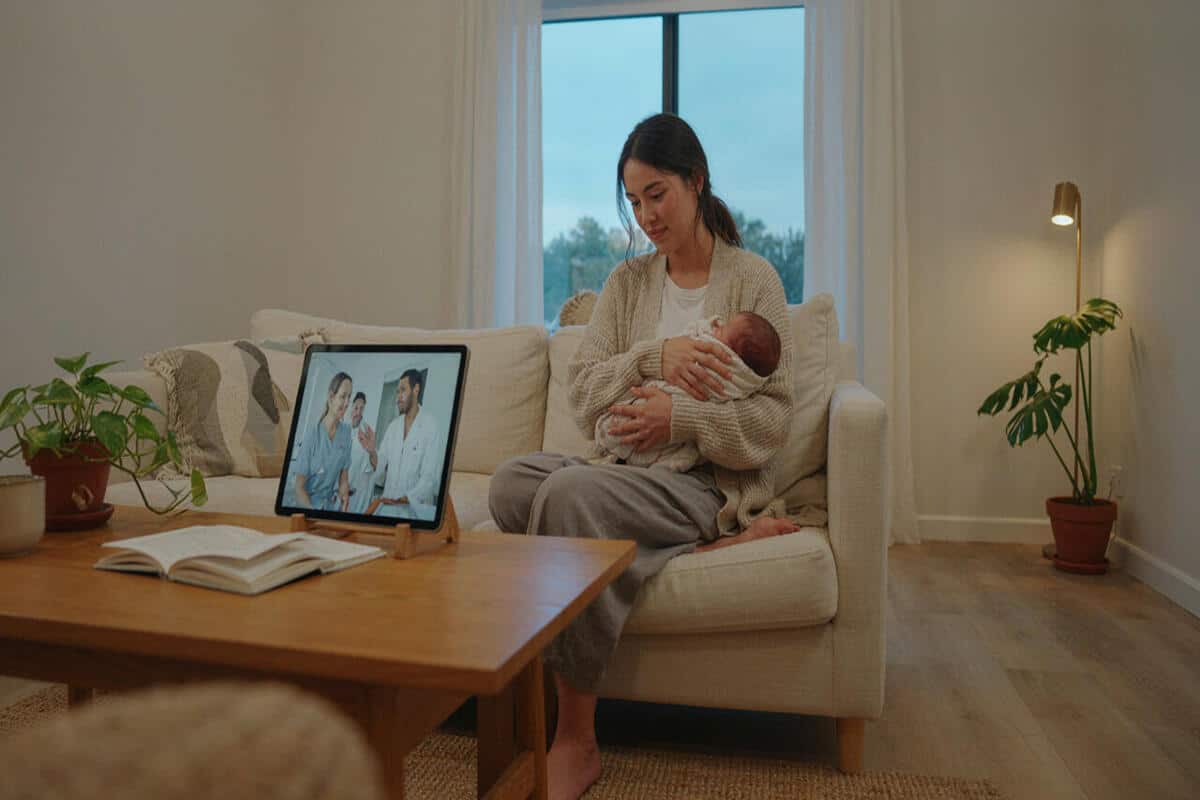
Image generated with Ai
Queensland’s new virtual mental care model shifts the focus of health travel to bring specialist support home.The new health model aims to provide mothers living in the Cairns region who are suffering from severe perinatal mental health conditions with specialist hospital-level treatment all from the comfort of their own homes.
The Cairns and Hinterland region is preparing to introduce a Perinatal Acute Mental Health Hospital in the Home programme, creating a new pathway for women who require intensive mental health care during pregnancy and after childbirth. The initiative will become the first of its kind in Queensland, offering virtual inpatient treatment that allows patients to receive clinical support while remaining connected to their families, communities and familiar surroundings.
New Virtual Hospital Model Brings Specialist Care Directly to Homes
The innovative programme will operate as a virtual inpatient admission service, providing women with hospital-standard mental health care while they recover in their own homes. Instead of travelling long distances or relocating temporarily for treatment, eligible patients will be supported through a coordinated home-based care approach.
The model is designed for women experiencing acute and complex perinatal mental health conditions that require intensive monitoring and specialist intervention. A dedicated multidisciplinary team will provide ongoing care, combining the expertise of mental health nurses, medical professionals, allied health specialists, lived-experience workers and First Nations support officers.
Advertisement
Advertisement
By bringing treatment into the home environment, the service aims to create a more comfortable and supportive recovery setting. Women will be able to remain close to their children, partners and wider support networks while receiving the same level of professional attention typically associated with hospital admission.
Reducing Travel Barriers and Strengthening Family Connections
Previously, women in northern Queensland experiencing severe perinatal mental illness often needed to travel to south-east Queensland to access specialised inpatient services. This created additional emotional, financial and practical challenges during an already vulnerable period.
Advertisement
Advertisement
The new home-based approach is expected to reduce these barriers by allowing women to receive care without leaving their region. Remaining at home can help prevent separation from other children, reduce disruption to family routines and maintain important cultural and community connections.
For many families, travelling interstate or across large distances for treatment can create significant costs related to accommodation, transport and time away from work or caregiving responsibilities. The new programme is expected to ease these pressures while improving access to timely mental health support.
Advertisement
Advertisement
The approach reflects growing evidence that hospital-at-home and crisis-resolution home treatment models can provide safe and effective alternatives to traditional inpatient care when supported by appropriate clinical systems.
Integrated Support Creates Smoother Patient Care Journey
The new programme will operate alongside existing perinatal infant mental health services to ensure women experience a continuous pathway of care. Integration between hospital-based and home-based treatment will allow patients to move more smoothly between different levels of support depending on their individual needs.
The service has been developed around the principle that mental health treatment should be accessible, personalised and connected to the patient’s everyday environment. By combining specialist clinical care with family and community support, the programme aims to improve recovery outcomes while reducing unnecessary hospital stays.
Healthcare planning has focused on ensuring the model is safe, practical and suitable for the needs of local communities. Input from families with lived experience, healthcare professionals and community stakeholders has helped shape the structure of the programme.
Advertisement
Advertisement
Queensland Advances Access to Perinatal Mental Health Services
The introduction of this home-based inpatient model represents a significant development in Queensland’s approach to perinatal mental healthcare. It reflects a wider shift towards flexible healthcare solutions that bring specialised treatment closer to where people live.
Perinatal mental illness can have a major impact on mothers, babies and families, making early access to effective support essential. Providing intensive treatment within a familiar home environment may help women feel more supported while maintaining important relationships during recovery.
The programme also highlights the importance of regional healthcare innovation. Women living outside major metropolitan areas often face additional challenges when accessing specialist services, particularly when treatment requires travel to distant facilities.
By establishing a virtual inpatient care option in Cairns and surrounding areas, the new service aims to address these geographical challenges and create a more equitable healthcare system for regional communities.
A New Future for Family-Centred Mental Health Care
The Perinatal Acute Mental Health Hospital in the Home programme is expected to strengthen the region’s ability to respond to serious maternal mental health needs through a more flexible and family-focused approach.
Rather than requiring women to leave their homes and support networks, the model places care around their daily lives. It combines specialist medical treatment with the emotional benefits of staying connected to family, culture and community.
Advertisement
Advertisement
As healthcare systems worldwide continue to explore alternatives to traditional hospital admission, home-based treatment models are becoming increasingly important. The Cairns initiative represents a major step towards expanding access to specialist mental health services while improving comfort, continuity and support for women and their families.
The programme is set to establish a new benchmark for regional perinatal mental healthcare in Queensland, demonstrating how innovative care models can provide high-quality treatment beyond the walls of conventional hospitals.
Advertisement
