
From Ur to Babylon: How Iraq Is Reopening the Cradle of Civilization

Published
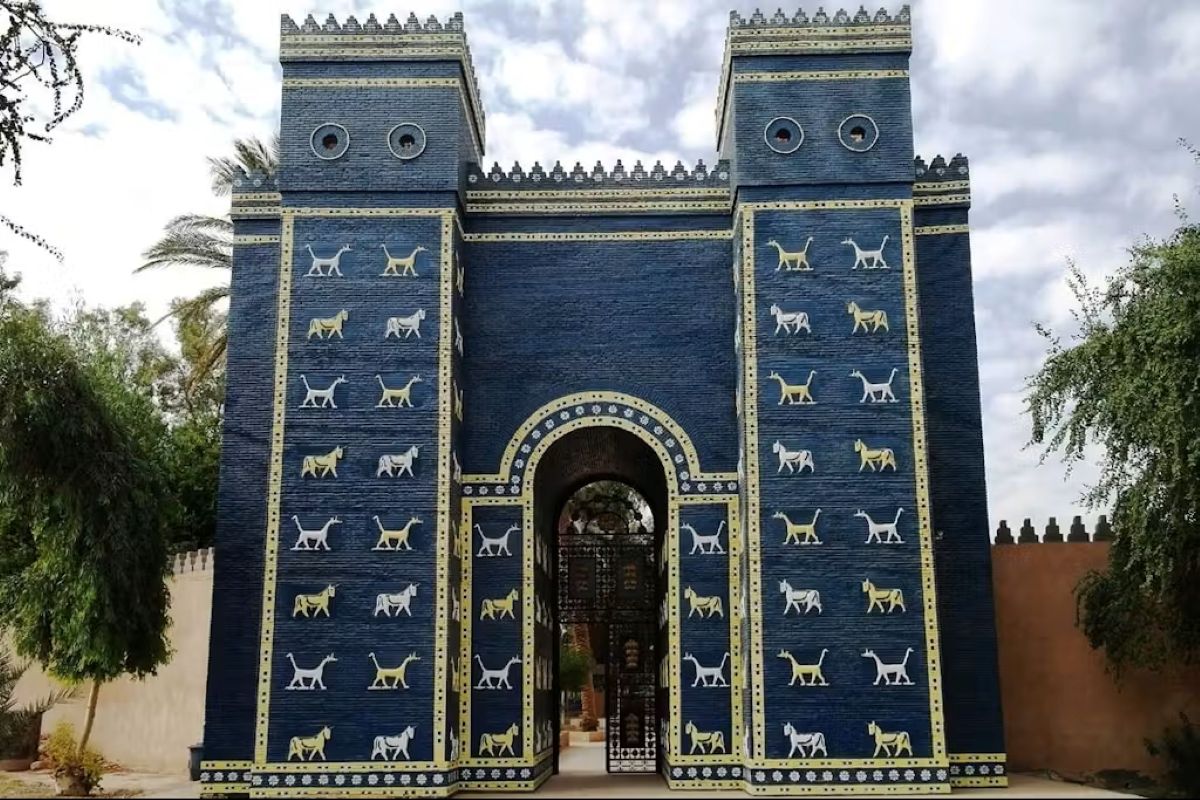
Mesopotamia is the cradle of early human civilisation, the land where writing, organised law and urban design first took hold between the Tigris and Euphrates rivers. Modern Iraq today is slowly emerging from decades of geopolitical isolation to protect and showcase its monumental legacy. With its recorded history spanning over 5,000 years and thousands of fragile sites, the country faces the twin challenges of structural conservation and responsible visitor engagement. Anyone looking to immerse themselves in this ancient heartland as a cultural explorer needs to understand the administrative structures, security nuances and conservation partnerships underpinning this revival. Here’s what you need to know.
Frequently Asked Questions
How many archaeological sites are registered in Iraq?
Iraq’s State Board of Antiquities and Heritage (SBAH) records approximately 15,000 officially registered archaeological sites, with thousands more unexcavated across the Tigris and Euphrates river basins.
Is Iraq safe for cultural tourism?
Advertisement
Advertisement
Safety depends heavily on region, itinerary, and current diplomatic advisories. While independent travel across Federal Iraq involves checkpoints and security risks, licensed cultural operators routinely guide international travelers along a secured southern transit corridor (Baghdad, Babylon, Ur, and Basra). The Kurdistan Region of Iraq (KRI) operates under separate border controls and distinct regional security protocols.
Who funds and directs antiquities preservation in Iraq?
Advertisement
Advertisement
Restoration is directed by the SBAH under the Ministry of Culture, Tourism, and Antiquities, collaborating with international coalitions including UNESCO, the British Museum’s Iraq Scheme, the Smithsonian Institution, and the International Alliance for the Protection of Heritage in Conflict Areas (ALIPH).
For decades, the physical monuments of ancient Mesopotamia remained largely inaccessible to international travellers, cordoned off by conflict and geopolitical isolation. Today, the fertile plains cradled by the Tigris and Euphrates are seeing a structured heritage revival. As the Iraqi government works to diversify its economy beyond crude oil revenues, historic preservation and curated cultural tourism have emerged as central pillars of national redevelopment.
Landmark Sites Across the Provinces
Iraq’s 15,000 registered sites span over five millennia of human civilization, tracking the rise of urban statehood, written law, and monumental architecture.
Ancient Mesopotamian Heritage Corridors
| Corridor / Route | Region & Provinces | Key Archaeological Sites & Highlights |
| Northern Hub | Northern Region (Nineveh & Salah al-Din) | • Hatra (UNESCO): Hellenistic-Parthian desert citadel • Samarra (UNESCO): Abbasid capital and spiral Malwiya minaret |
| Connected via Highway 1 Corridor | ||
| Central Hub | Central Region (Baghdad & Babil) | • The Iraq Museum: Recovered cuneiform tablets and national artefact archives • Babylon (UNESCO): Processional Way, ancient foundations, and Ishtar Gate site |
| Connected via Federal Transit Route | ||
| Southern Hub | Southern Region (Dhi Qar & Basra) | • Ziggurat of Ur: 3rd-millennium BCE Neo-Sumerian temple complex • The Ahwar Marshes: Wetland biodiversity and adjacent early Sumerian settlements |
- Babylon (Babil Province): Inscribed as a UNESCO World Heritage site in 2019, Babylon features mudbrick ruins spanning the reigns of Hammurabi and Nebuchadnezzar II. Conservation teams from the World Monuments Fund (WMF) and SBAH have focused on salt-weathering remediation along the Processional Way and the foundations of the Ishtar Gate.
- The Ziggurat of Ur (Dhi Qar Province): Anchoring the ancient Sumerian capital, this 21st-century BCE mudbrick complex underwent major stabilizing repairs in the late 20th century. Modern protective walkpaths and visitor centres now accommodate monitored cultural excursions.
- Hatra (Nineveh Province): A fortified caravan city that withstood Roman invasions in 116 and 198 CE, Hatra represents a unique convergence of Greco-Roman and eastern Parthian architectural traditions. Stabilization projects backed by ALIPH and Italian conservation teams have repaired damage sustained during the 2014–2017 conflict.
- Samarra Archaeological City (Salah al-Din Province): As the 9th-century capital of the Abbasid Caliphate, this site preserves the Great Mosque and its 52-metre spiral Malwiya minaret, illustrating early Islamic urban scale and hydraulic engineering.
Conservation Frameworks and International Alliances
Protecting mudbrick and fired-brick monuments in arid, volatile environments requires sustained technical interventions. The SBAH’s modern strategy relies on multilateral coordination:
- Field Training & Artefact Repatriation: The British Museum’s Iraq Scheme has trained dozens of Iraqi archaeologists in emergency salvage techniques, 3D laser documentation, and geophysical survey methods. Concurrently, diplomatic initiatives have repatriated thousands of looted artefacts and cuneiform tablets from international institutions back to the Iraq Museum in Baghdad.
- Emergency Site Stabilisation: ALIPH has invested tens of millions of dollars into direct stabilization across Mosul, Hatra, and regional museum facilities.
- Environmental Mitigation: Rising regional soil salinity and worsening dust storms present acute threats to unbaked mudbrick structures in southern Iraq, prompting drainage mitigation programmes around Ur and Uruk.
Ground Realities: Responsible Travel Logistics
Navigating heritage tourism in Iraq requires a clear distinction between promotional optimism and logistical reality.
- Visas and Entry Corridors: While visa-on-arrival (VoA) mechanisms exist for multiple nationalities entering via Baghdad International Airport (BGW) or Erbil (EBL), regulations fluctuate. Travel between Federal Iraq and the Kurdistan Region involves internal border checkpoints that require separate administrative documentation.
- Security Clearance and Guides: Independent transit through Federal Iraq is complicated by civil and military checkpoints. Reputable itineraries rely on licensed Iraqi tour companies that coordinate movement permits with local provincial commands and provide accredited archaeological guides.
- Site Preservation Ethics: Tourism infrastructure remains formative. Visitors must stay on designated elevated walkways, avoid stepping on ancient mudbrick mortar, respect cordoned restoration areas, and strictly observe domestic photography bans around state infrastructure and active military checkposts.
Conserving Iraq’s cultural landscape is an enduring global responsibility. As stabilization initiatives mature, disciplined and responsible cultural transit directly supports the domestic economy while protecting the physical record of human civilization.
Advertisement
