
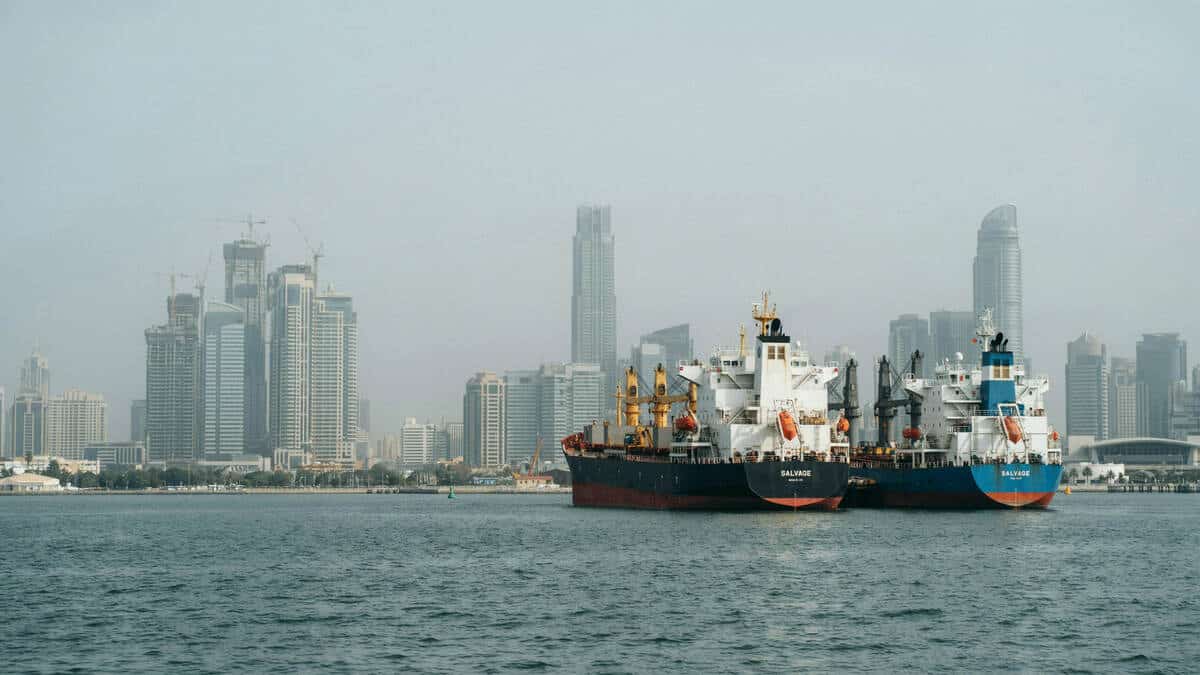
Image generated with Ai
The Middle East crisis is pressuring oil prices for the fourth consecutive day, reaching the highest since the late-July period, on Thursday. Crude oil prices jumped for the fourth straight session on growing security concerns about Middle East and the Strait of Hormuz, threatening future supply of the fuel. The Brent crude oil futures for delivery in January rose to a record level of $91.28 per barrel, while US West Texas Intermediate (WTI) crude reached $85.31 per barrel.
The latest increase has been driven by concerns that diplomatic efforts between the United States and Iran may not deliver a quick resolution. Conflicting positions over shipping access through the Strait of Hormuz have created uncertainty among energy traders, increasing the risk premium placed on crude markets.
For the global travel industry, the oil market movement has created fresh concerns. Higher crude prices can increase aviation fuel costs, raise cruise operating expenses, increase transport prices and put additional pressure on tourism economies already managing changing consumer demand.Market Indicator Current Situation Oil price trend Fourth consecutive day of gains Brent crude price $91.28 per barrel WTI crude price $85.31 per barrel Main market concern Strait of Hormuz supply uncertainty Key sectors affected Aviation, cruise tourism, transport and global economy
The Strait of Hormuz has become the main focus for international energy markets because it is one of the world’s most important oil and LNG shipping routes. Any disruption in this waterway can immediately influence global fuel prices because millions of barrels of energy supplies normally move through the region.
Advertisement
Recent shipping activity through the Strait has slowed significantly due to security concerns. Reduced vessel movements have increased fears that energy flows could remain under pressure for an extended period.
Although alternative routes and emergency supply measures exist, they cannot fully replace the scale and efficiency of shipments through Hormuz. As a result, even the possibility of disruption has been enough to push oil prices higher.Region Possible Energy Impact Gulf countries Export and shipping uncertainty Asia Higher import costs Europe Increased energy pressure United States Fuel price sensitivity Global markets Higher inflation risks
The aviation sector is among the first travel industries affected by higher oil prices because fuel remains one of the largest expenses for airlines.
When crude prices increase, airlines often face higher jet fuel bills. Carriers may respond through fuel surcharges, increased ticket prices, route adjustments or reduced capacity on weaker-performing services.
Advertisement
Advertisement
International airlines connecting Asia, Europe, Africa and the Middle East could experience greater pressure because many global routes depend on Gulf aviation hubs.
Major aviation markets that could feel the impact include:Country/Region Aviation Impact United Arab Emirates Pressure on Gulf hub operations and international connectivity Qatar Higher operating costs for long-haul aviation India Increased airline fuel expenses and possible fare pressure China Higher international travel costs Japan Rising energy import costs affecting airlines South Korea Increased fuel-related aviation expenses Europe Higher operating costs for international carriers
The impact could become stronger if oil prices remain elevated for a prolonged period. Airlines may face difficulty maintaining affordable fares while protecting profitability.
The Gulf region has become one of the world’s most important tourism and aviation centres, with cities such as Dubai, Doha and Abu Dhabi serving millions of international travellers every year.
A prolonged Middle East crisis could affect tourism confidence, especially for travellers concerned about regional stability, flight costs and possible route changes.
The UAE, Qatar and Oman are particularly important because they connect global aviation networks and cruise routes across the Middle East.Destination Tourism Exposure UAE International flights, luxury tourism and cruise connectivity Qatar Aviation hub and business travel Oman Cruise tourism and maritime connections Saudi Arabia Religious, business and leisure tourism
While tourism demand may continue, higher transportation costs could influence traveller decisions, particularly among budget-conscious visitors.
Cruise tourism is another sector affected by rising oil prices because cruise ships require large volumes of marine fuel.
Higher fuel costs can increase:
Cruise operators operating near the Middle East, Red Sea and Arabian Gulf regions may also need to review itineraries if maritime security risks increase.
Possible responses from cruise companies include:
| Cruise Sector Area | Potential Impact |
|---|---|
| Ship operations | Higher fuel bills |
| Cruise fares | Possible price increases |
| Regional itineraries | Route adjustments |
| Passenger demand | Possible booking changes |
Asian economies are among the most exposed to rising oil prices because many countries depend heavily on imported energy supplies from the Middle East.
China, India, Japan and South Korea are major energy consumers and could experience higher transportation and industrial costs if oil prices remain elevated.
For tourism, the impact could appear through higher airfares, increased logistics costs and more expensive international travel packages.Country Tourism and Economic Effect India Higher airline costs and travel expenses China Increased outbound travel costs Japan Higher fuel import pressure South Korea Increased aviation and industrial costs Singapore Energy price sensitivity
Oil prices influence almost every part of the travel ecosystem. Higher energy costs affect airlines, airports, cruise operators, hotels, transportation companies and tourism suppliers.
A prolonged increase in oil prices could contribute to:
Energy-dependent economies may face stronger challenges because rising fuel prices can increase costs across multiple industries.Economic Area Possible Effect Transportation Higher fuel expenses Airlines Reduced profit margins Tourism businesses Increased operating costs Consumers Higher travel spending Global economy Inflation pressure
The current oil price increase reflects uncertainty rather than only immediate supply shortages. Markets are reacting to concerns that disruptions around the Strait of Hormuz could continue and create longer-term pressure on energy flows.
For the travel industry, the key issue will be how long oil prices remain elevated. A short-term increase may create limited disruption, but a prolonged energy crisis could reshape airline pricing, cruise operations and international travel demand.
The Middle East remains a critical connection point for global aviation, shipping and tourism. Any extended instability could create wider consequences across the global travel economy.
The Middle East impasse sends oil to another record high for the fourth consecutive day. The jump in energy prices is set to have implications for airlines, cruise lines and tourism.
As oil prices climbed to another record, after rising for the fourth straight day since late July, aviation, cruise and tourism executives watch closely as the price of energy is poised to have a significant impact on these industries.
Advertisement
Advertisement
Advertisement













Saturday, September 5, 2026

Friday, September 4, 2026

Saturday, September 5, 2026

Saturday, September 5, 2026

Thursday, September 3, 2026

Wednesday, September 2, 2026

Saturday, September 5, 2026

Saturday, September 5, 2026


