
Dubai International Airport Restores 36 Weekly European Flights as UAE Winter Travel Demand Surges

Published
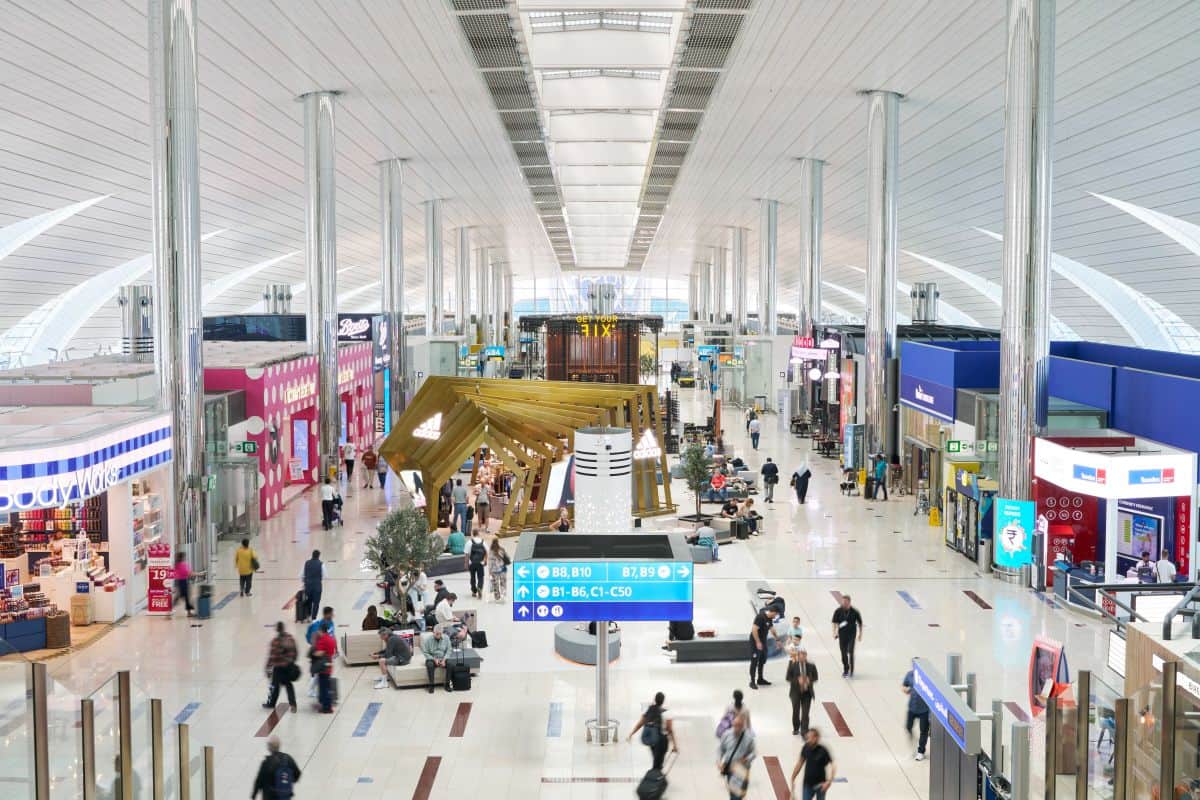
Dubai International Airport is set for a significant European connectivity boost as up to 36 weekly flights return from October. Lufthansa will restore services to Munich and Frankfurt from October 25, while SWISS will resume daily Zurich flights from October 27. Eurowings will then reconnect Dubai with Berlin, Stuttgart and Cologne/Bonn from November 1. Austrian Airlines will restore Vienna services from December 12. The reinstatement comes as the 2026 winter travel season gathers pace. It gives leisure, family and business travellers more direct options between Dubai and major European gateways. It also strengthens DXB’s role as a global transfer hub. Dubai handled a record 95.2 million guests in 2025, underscoring the scale of demand supporting this network.
Europe Links Return As Winter Demand Builds
Dubai International Airport is entering the winter schedule with a broader selection of European services. The restored flights will reconnect Dubai with seven major European cities, according to the published schedule reported by Gulf News.
Advertisement
Advertisement
The return is particularly relevant for travellers planning trips after the summer season. October traditionally marks an important transition towards Dubai’s cooler tourism period. It also coincides with stronger demand for European city breaks, corporate travel and family visits.
The schedule will not return all at once. Instead, airlines will progressively restore routes from late October through December. This staggered approach gives travellers additional capacity as the winter timetable develops.
Advertisement
Advertisement
The airlines involved belong to major European aviation groups and established network carriers. Their return also improves access to important European hubs, rather than simply adding leisure destinations.
That distinction matters for international passengers. Frankfurt, Munich, Zurich and Vienna provide extensive onward connections across Europe and beyond.
Advertisement
Advertisement
For travellers originating in India, Southeast Asia, Africa and other markets, the effect can extend well beyond Dubai-Europe traffic. Additional European services can create more options for connecting itineraries through DXB.
Dubai’s Returning European Flight Schedule
| Airline | Dubai connection | Return date | Key travel relevance |
|---|---|---|---|
| Lufthansa | Frankfurt | October 25, 2026 | Major German and European hub |
| Lufthansa | Munich | October 25, 2026 | Southern Germany and wider European connections |
| SWISS | Zurich | October 27, 2026 | Switzerland and European onward connections |
| Eurowings | Berlin | November 1, 2026 | German capital and leisure market |
| Eurowings | Stuttgart | November 1, 2026 | Southern Germany and business travel |
| Eurowings | Cologne/Bonn | November 1, 2026 | Western Germany and regional access |
| Austrian Airlines | Vienna | December 12, 2026 | Austria and Central European connectivity |
The restored services will collectively provide up to 36 weekly flights between Dubai and the listed European destinations. The exact operating frequency can vary by route and timetable period, so travellers should check their airline before booking.
Advertisement
Advertisement
Lufthansa Opens The European Return
Lufthansa will lead the next phase of the network restoration. The airline is scheduled to resume Dubai services to Frankfurt and Munich from October 25.
Both airports carry importance far beyond their respective cities. Frankfurt is one of Europe’s principal international aviation gateways, while Munich serves Germany’s southern economic centre.
For Dubai-based travellers, this creates more choice for Germany-bound journeys. It also provides access to wider European destinations through established connecting networks.
The significance extends to corporate travel. Frankfurt hosts major financial, technology and corporate activity, while Munich remains an important centre for manufacturing, technology and business services.
Advertisement
Advertisement
The restored services therefore support more than tourism. They strengthen links between two major commercial regions at a time when European winter travel demand is beginning to rise.
Lufthansa’s wider network also makes these routes relevant to travellers connecting beyond Germany. However, connection times and through-ticket availability will depend on the itinerary and operating schedule.
SWISS Brings Daily Zurich Service
SWISS will restore the Dubai-Zurich link from October 27, 2026, initially returning the route to a daily schedule.
The airline has separately confirmed that its Dubai service will operate under flight numbers LX242 and LX243. SWISS says the route will mainly use an Airbus A340-300 during the winter schedule.
The return is particularly notable because SWISS had extended its Dubai suspension through October 24 for operational reasons. The airline therefore marks October 27 as the point when Zurich-Dubai services return to the regular schedule.
The A340-300 deployment also gives the route a distinctive long-haul profile. SWISS says the aircraft will provide Premium Economy on the route during the winter schedule.
Advertisement
Advertisement
Current SWISS timetable information shows an average of seven weekly flights on the Dubai-Zurich route. Travellers should still verify the schedule because airline timetables can change.
For European itineraries, Zurich offers another important transfer point. That makes the route relevant to passengers whose final destination lies beyond Switzerland.
Eurowings Expands Germany Connections
The next stage arrives on November 1. Eurowings is scheduled to resume Dubai links with Berlin, Stuttgart and Cologne/Bonn.
These routes broaden the geographical spread of Dubai’s German network. Frankfurt and Munich primarily serve major international gateways, while the Eurowings destinations add access to other large German population and business centres.
Berlin brings a major capital-city market into the restored network. Stuttgart is closely associated with Germany’s industrial and automotive economy. Cologne/Bonn provides access to western Germany and the wider Rhine region.
For leisure travellers, the three cities also offer distinct tourism profiles. Berlin brings cultural attractions and urban tourism, while Stuttgart and Cologne provide different entry points into southern and western Germany.
Advertisement
Advertisement
The practical benefit is greater itinerary flexibility. Travellers no longer need to structure every Germany trip around Frankfurt or Munich when suitable direct capacity is available.
Vienna Completes The Winter Push
Austrian Airlines will join the restoration programme later in the season. Its Dubai-Vienna service is scheduled to return on December 12.
Vienna is strategically important for Central European travel. The Austrian capital provides access to Austria while also serving as a gateway towards neighbouring European markets.
The December return is especially relevant to the peak winter period. Christmas markets, festive travel and end-of-year business activity traditionally strengthen demand across Central Europe.
For Dubai residents, the timing could therefore add capacity during an important European travel window. For international connecting passengers, Vienna provides another possible European gateway through DXB.
The route’s December restoration also demonstrates that the network expansion is continuing beyond the initial October reopening. The European schedule is therefore developing progressively through the winter timetable.
Advertisement
Advertisement
DXB Enters Winter With Record Momentum
The restored European routes arrive against a backdrop of extraordinary traffic at Dubai International Airport. DXB welcomed 95.2 million guests in 2025, representing a 3.1% year-on-year increase.
Dubai Airports described 2025 as the airport’s busiest year on record. It also became the highest annual international passenger traffic figure ever recorded by an airport, according to Dubai Airports.
Flight activity rose alongside passenger numbers. DXB recorded 454,800 annual flight movements in 2025, an increase of 3.3% year on year.
The airport also handled 8.7 million guests during December alone. The fourth quarter produced 25.1 million passengers, up 5.9% compared with the same period in 2024.
DXB’s Recent Traffic And Connectivity Indicators
| Indicator | Latest reported figure | What it indicates |
|---|---|---|
| DXB passengers in 2025 | 95.2 million | Record annual international traffic |
| Year-on-year passenger growth | 3.1% | Continued expansion |
| Annual flight movements | 454,800 | Strong operational activity |
| Flight movement growth | 3.3% | Capacity continued to expand |
| December 2025 passengers | 8.7 million | Record monthly performance |
| Q4 2025 passengers | 25.1 million | Record quarterly performance |
| Q4 year-on-year growth | 5.9% | Strong winter-period demand |
| 2026 traffic forecast | 99.5 million | Dubai Airports’ projected annual volume |
Dubai Airports forecasts 99.5 million guests for 2026, although actual traffic will depend on market conditions and airline schedules.
Connectivity Gives DXB A Wider Advantage
The European additions reinforce a broader connectivity advantage already visible in industry data.
Advertisement
Advertisement
ACI Asia-Pacific & Middle East’s latest Air Connectivity Index places Dubai International Airport first across the Asia-Pacific and Middle East regions for 2025. The airport retained the top position among the 315 airports covered by the index.
The index does not simply count destinations. It considers network scale, frequency, destination economic importance and connection quality.
That distinction is important for understanding DXB’s position. A large route map alone does not guarantee an effective hub. Connection windows, onward destinations and network relationships also shape passenger utility.
ACI reported that Dubai’s hub connectivity score stood close to 40% above its nearest competitor in the 2025 assessment.
Dubai Airports also says DXB currently connects 291 destinations through 108 international carriers.
The restored European services therefore fit into an already extensive global network. They are not isolated route additions.
Advertisement
Advertisement
What The Changes Mean For Travellers
For travellers, the immediate benefit is choice. More scheduled services can provide additional departure times, alternative routings and greater flexibility when planning European journeys.
However, travellers should distinguish between route restoration and guaranteed daily capacity. Not every service in the 36-flight total operates at the same frequency.
Passengers should therefore verify operating dates before booking. They should also examine connection times carefully when combining flights on separate tickets.
For business travellers, schedule density can matter as much as destination coverage. Multiple weekly services can make short European trips easier to arrange without unnecessary overnight stays.
For families, the expanded network can offer more flexibility around school holidays and festive periods. Meanwhile, leisure travellers may gain additional options for autumn and winter city breaks.
Travellers connecting through DXB should also allow adequate time for airport transfers. Dubai’s scale means that terminal, security and connection requirements can affect total journey time.
Advertisement
Advertisement
Why The European Network Matters
The restoration carries significance beyond passenger convenience. European routes connect Dubai with markets that generate substantial tourism, business and trade activity.
Germany remains particularly important because the returning schedule covers four German destinations. Switzerland and Austria add two major Central European markets, while Berlin expands access to Germany’s capital.
The pattern also reflects the value of hub connectivity. A passenger travelling from Asia to Europe does not necessarily need a nonstop flight between the origin and final destination.
Instead, DXB can function as the intermediate gateway. The combination of Asian feeder traffic and European services allows airlines to serve city pairs that might not sustain direct routes independently.
This hub model remains central to Dubai’s aviation strategy. ACI’s latest findings also show that intercontinental traffic from the Middle East grew 9% year on year in 2025 and stood 27% above pre-pandemic levels.
That wider recovery creates a favourable environment for restoring international city links.
Advertisement
Advertisement
A Winter Schedule Worth Watching
The returning European services give Dubai a stronger network as the 2026 winter season approaches. Up to 36 weekly flights will reconnect DXB with Munich, Frankfurt, Zurich, Berlin, Stuttgart, Cologne/Bonn and Vienna.
The restoration also illustrates how airline schedules can evolve progressively rather than through one major network change. Lufthansa and SWISS lead the initial return, followed by Eurowings and Austrian Airlines.
For travellers, the most important consideration remains the actual operating date. SWISS, for example, has specifically confirmed its daily Zurich service from October 27, while noting that flights planned for October 25 and 26 will not operate.
That makes checking the latest airline timetable essential before finalising an itinerary. Overall, the European restoration strengthens Dubai’s role as a major bridge between Asia, Europe, Africa and other long-haul markets.
Advertisement
