
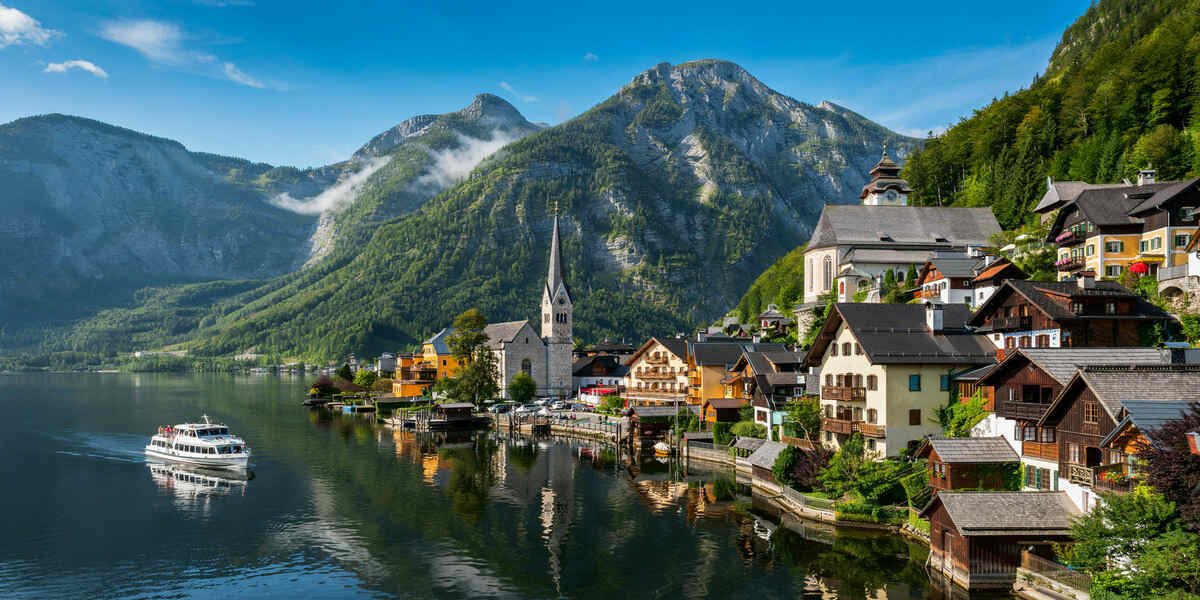
Image generated with Ai
San Marino’s rise as the world’s safest solo travel destination, alongside seven other high-performing countries, has been driven by exceptional safety standards, political stability, reliable healthcare and strong traveller confidence. A new global safety ranking reveals that Europe is leading the way for secure solo journeys, with destinations such as Andorra, Austria, Czechia, Estonia, Denmark and Slovenia attracting attention for their low-risk environments. The findings show that safety has become a major factor shaping travel decisions, as more independent travellers seek destinations that offer freedom, comfort and peace of mind while exploring the world.
Solo travel is entering a new era where safety, stability and peace of mind have become just as important as landscapes, culture and adventure. Travellers exploring the world alone are increasingly searching for destinations where they can move freely, feel secure and enjoy memorable experiences without major concerns. A new global safety ranking has revealed that some of Europe’s smallest nations are emerging as the strongest choices for independent travellers, with San Marino taking the top position as the safest solo travel destination.
The tiny European microstate of San Marino secured the number one position with an impressive risk index score of just 0.78 out of 10, making it the lowest-risk destination in the ranking. The result places the historic republic ahead of larger and more globally recognised destinations, proving that size does not determine safety. Alongside San Marino, other European destinations including Andorra, Austria, Czechia, Estonia, Denmark and Slovenia also achieved strong results, reinforcing Europe’s reputation as a secure region for solo explorers.
Located completely surrounded by Italy, San Marino has gained worldwide attention after achieving the highest safety ranking among destinations analysed. The ancient republic, known for its medieval architecture, mountain landscapes and historic identity, scored only 0.78 on the risk index, reflecting exceptionally low risks for visitors travelling alone.
Advertisement
Advertisement
Several factors contributed to San Marino’s outstanding performance. The country benefits from strong social stability, low crime levels and a peaceful environment that allows visitors to explore comfortably. Around 90% of residents reportedly feel safe walking alone at night, highlighting the confidence locals have in their surroundings.
For solo travellers, this level of personal security can significantly influence destination choices. Visitors often look beyond famous attractions and consider practical factors such as whether they can walk through towns independently, access services easily and experience local culture without feeling vulnerable.
San Marino’s compact size also adds to its appeal. Travellers can explore historic streets, viewpoints, museums and cultural landmarks within a manageable area. This creates an easy and comfortable travel experience, especially for first-time solo adventurers.
Another small European nation achieved a remarkable position in the ranking, with Andorra finishing second with a risk index score of 1.33.
Advertisement
Advertisement
Situated between France and Spain in the Pyrenees mountains, Andorra has long been recognised for its peaceful atmosphere, natural beauty and high quality of life. The country’s combination of mountain landscapes, modern infrastructure and strong public services has made it an attractive destination for travellers seeking safe outdoor adventures.
For solo visitors, Andorra offers a unique balance between exploration and security. The destination is popular for hiking, skiing, wellness experiences and nature-based tourism, while its organised transport systems and visitor facilities make independent travel easier.
The strong ranking reflects growing demand among travellers for destinations that provide both adventure and reassurance. Instead of simply searching for popular tourist hotspots, many solo travellers are now choosing places where they can confidently explore at their own pace.
Austria ranked among the world’s safest destinations, achieving fourth place with a risk index score of 1.74. The country’s strong performance is linked to its excellent infrastructure, reliable healthcare system, political stability and high standards of living.
Austria remains one of Europe’s most visited destinations, attracting travellers with historic cities, alpine scenery, cultural attractions and world-famous heritage sites. Cities such as Vienna and Salzburg offer well-connected transport networks and traveller-friendly environments, making them suitable choices for people exploring independently.
Czechia also secured a place among the top destinations, ranking fifth with a score of 1.77. The country’s historic cities, including Prague, continue to attract millions of visitors each year. Beyond its cultural appeal, Czechia’s safety reputation has helped strengthen its position among solo travel favourites.
The ranking highlights how destinations with strong public services, accessible infrastructure and stable communities are becoming increasingly important for modern travellers.
Europe’s presence in the ranking was particularly notable, with seven European countries appearing among the top ten safest destinations.
The complete top ten list included:Rank Country Risk Index Score 1 San Marino 0.78 2 Andorra 1.33 3 Singapore 1.56 4 Austria 1.74 5 Czechia 1.77 6 Qatar 1.84 7 Estonia 1.84 8 Brunei 1.85 9 Denmark 1.90 10 Slovenia 1.92
The results show that safety is not limited to large developed nations. Smaller countries with strong governance, stable communities and efficient public systems are increasingly becoming preferred choices for solo travellers.
Estonia, Denmark and Slovenia also demonstrated the strength of Europe’s travel environment. These destinations combine modern infrastructure, cultural attractions and strong social systems, creating conditions where visitors can explore with confidence.
The safety ranking evaluated destinations using several important factors designed to measure the overall travel environment for people travelling alone.
The analysis considered indicators including:
The study focused on destinations with high or very high levels of human development. Instead of measuring only crime statistics, the ranking examined broader conditions that influence the experience of solo travellers.
Access to healthcare, reliable communication networks and political stability all play an important role when someone travels alone. A destination may have beautiful attractions, but travellers also need confidence that essential services are available if unexpected situations occur.
The growth of solo travel has changed the way people choose destinations. Travellers are no longer considering only beaches, landmarks and attractions. They are also evaluating safety, convenience and personal comfort.
Solo travellers often face different challenges compared with group tourists. They may need to navigate unfamiliar places independently, make quick decisions and manage unexpected situations without immediate support.
As a result, destinations offering secure environments are gaining a competitive advantage. Countries with low risks and strong visitor infrastructure are increasingly attracting travellers who want meaningful experiences without unnecessary concerns.
San Marino, Andorra, Austria and Czechia demonstrate how safety can become a powerful tourism asset. Their rankings show that smaller destinations can compete globally by offering reliability, comfort and memorable experiences.
The latest ranking highlights a major shift in international travel trends. Some of the world’s safest destinations are not necessarily the largest or most famous countries. Instead, smaller nations are attracting attention because of their stability, accessibility and traveller-friendly environments.
San Marino’s success represents this changing landscape. Its historic charm, peaceful atmosphere and exceptional safety record have positioned it as a destination that appeals to modern explorers seeking authentic experiences.
Andorra’s mountain tourism, Austria’s cultural heritage and Czechia’s historic cities further demonstrate how safety can strengthen a destination’s global appeal.
As more travellers embrace independent journeys, destinations that provide confidence and comfort will continue to stand out. Safety is no longer just an advantage; it is becoming one of the most important elements shaping the future of tourism.
The latest rankings send a clear message to global travellers: some of the most unforgettable journeys may begin in the world’s
San Marino and seven other countries have emerged as the world’s safest solo travel destinations because of their exceptional security, stability, healthcare access and strong traveller confidence. A new ranking reveals how safety is becoming a defining factor in travel decisions, with Europe leading a new era of secure and worry-free global tourism.
The latest solo travel safety ranking highlights a powerful shift in global tourism, where security, stability and traveller confidence are becoming key factors in destination choices. San Marino’s remarkable achievement as the world’s safest solo travel destination, followed by Andorra, Austria, Czechia and other high-performing countries, proves that smaller nations can create a major impact in international travel. With peaceful communities, reliable infrastructure, strong healthcare systems and welcoming environments, these destinations are setting new standards for safe exploration. As more travellers seek independent adventures, countries that prioritise safety and comfort will continue to attract global attention and shape the future of responsible and confident travel.
Advertisement
Tags: global tourism trends, Safest Countries for Solo Travellers, San Marino tourism, solo travel safety, Travel News
Advertisement
Advertisement













Saturday, September 5, 2026

Friday, September 4, 2026

Saturday, September 5, 2026

Friday, September 4, 2026

Thursday, September 3, 2026

Wednesday, September 2, 2026

Friday, September 4, 2026



