
South Africa Mandates Health Screening for Travellers from Uganda and DRC Amid Ebola Alert: What Does the New Travel Rule Mean for African Tourism?

Published
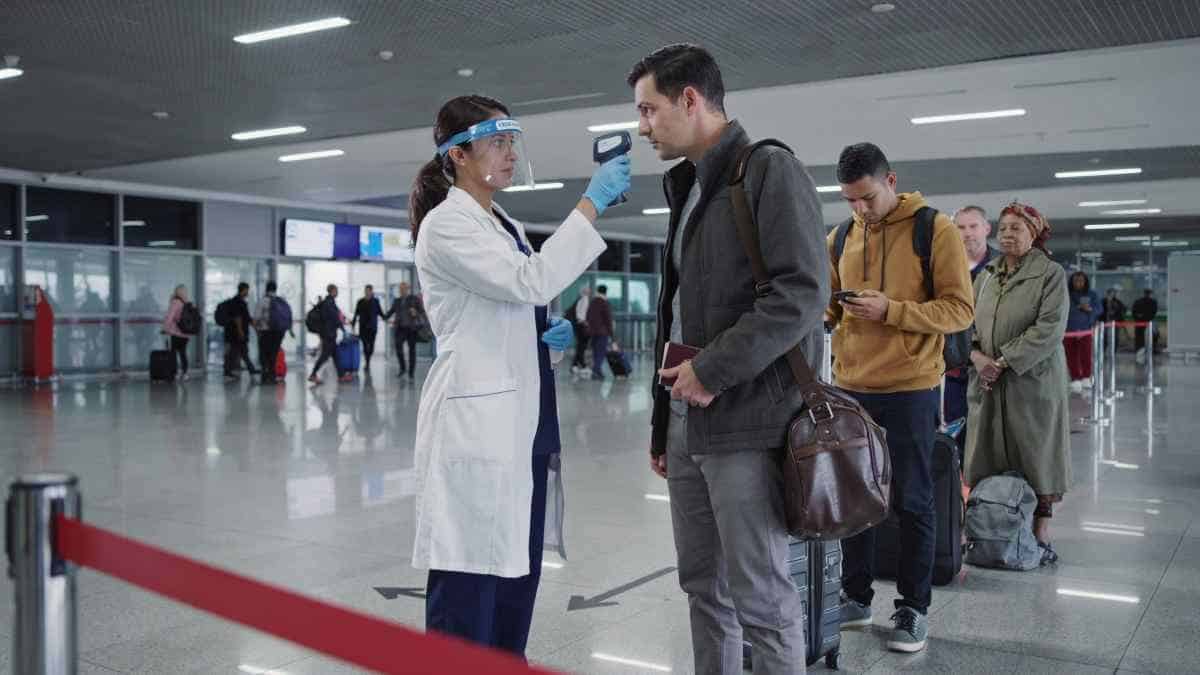
Image generated with Ai
South Africa has introduced a new health screening requirement for travellers arriving from Uganda and the Democratic Republic of the Congo (DRC) as part of enhanced border surveillance following the ongoing Ebola outbreak in Central Africa. Announced by the Department of Health on 17 July 2026, the measure requires eligible passengers to complete a Travel Health Questionnaire (THQ) before entering the country. While the new protocol affects only a specific group of travellers, it highlights how public health and international tourism are becoming increasingly interconnected as African nations strengthen cross-border disease monitoring without disrupting tourism flows.
New Travel Health Questionnaire Introduced
Under the updated regulations, all passengers entering South Africa who have spent time in Uganda or the DRC within the previous 21 days must complete a Travel Health Questionnaire (THQ).
Advertisement
Advertisement
The requirement applies regardless of nationality and is linked solely to recent travel history rather than citizenship or place of residence.
Travellers are encouraged to complete the questionnaire within 24 hours before they depart for South Africa. Completing the form in advance is expected to speed up health assessments and immigration processing upon arrival while helping authorities identify travellers who may require additional screening.
Advertisement
Advertisement
The initiative forms part of South Africa’s broader strategy to strengthen border health surveillance while maintaining international connectivity.
Why the New Screening Has Been Introduced
The latest travel measure follows continued monitoring of the Ebola outbreak affecting parts of Central Africa.
Advertisement
Advertisement
According to health authorities, the outbreak has resulted in more than 2,000 confirmed cases and over 800 deaths since May, prompting several countries to enhance precautionary border measures.
Rather than imposing blanket travel restrictions, South Africa has adopted a targeted approach focused on travellers with recent exposure to affected regions. This allows the country to protect public health while avoiding unnecessary disruption to tourism, business travel and international aviation.
Advertisement
Advertisement
The policy reflects a growing global trend of risk-based health screening rather than broad entry bans.
Who Is Affected?
The requirement applies to anyone who has visited Uganda or the Democratic Republic of the Congo within the previous 21 days before arriving in South Africa.
This includes travellers visiting for:
- Business trips
- Family visits
- Humanitarian work
- Mining and infrastructure projects
- Wildlife safaris and gorilla trekking
- Regional multi-country holidays
Travellers transiting through airports in Uganda or the DRC should also verify whether the requirement applies to their specific itinerary, as eligibility may depend on the nature and duration of the transit.
Advertisement
Advertisement
Checking with airlines or travel providers before departure is strongly recommended.
What Travellers Should Do Before Departure
For travellers planning journeys involving Uganda or the DRC, preparation is now more important than ever.
Passengers should:
- Complete the Travel Health Questionnaire within 24 hours before departure.
- Be ready to provide accurate information about recent travel history.
- Allow extra time for airport arrival and possible health screening after landing.
- Monitor official travel advisories before travelling, as public health requirements may change quickly depending on the outbreak situation.
Travel agencies and tour operators are also encouraged to integrate these procedures into their booking and pre-departure communication processes.
Limited Impact on Broader Tourism
The good news for most international travellers is that South Africa remains open to tourism.
Visitors arriving directly from Europe, North America, Asia, Australasia and most Southern African countries continue to follow the country’s existing entry requirements unless they have recently travelled through Uganda or the DRC.
Advertisement
Advertisement
Safari holidays, business conferences, cruise itineraries and leisure trips to destinations such as Cape Town, Johannesburg, Kruger National Park and the Garden Route remain unaffected.
This targeted policy enables South Africa to maintain strong tourism flows while responding responsibly to evolving public health risks.
What It Means for the African Travel Industry
The introduction of the THQ also signals a broader shift within African tourism.
As countries improve regional disease surveillance, travellers may increasingly encounter:
- Digital health declarations
- Destination-specific health questionnaires
- Enhanced airport screening
- Risk-based entry procedures
- More frequent public health advisories
For travel professionals, staying informed about changing entry requirements is becoming just as important as understanding visa regulations or airline policies.
Tour operators specialising in multi-country African itineraries will need to monitor health protocols carefully to ensure seamless travel experiences.
Advertisement
Advertisement
Practical Travel Planning Remains Essential
Travellers combining destinations such as Uganda, Rwanda, Kenya, Tanzania, Botswana and South Africa should review entry requirements well before departure.
Although the current measure only targets travellers with recent stays in Uganda or the DRC, future adjustments may occur depending on public health developments.
Building flexibility into itineraries, checking official government advisories and maintaining close communication with airlines and travel advisors can help minimise disruptions.
By taking these precautions, travellers can continue exploring Africa confidently while supporting responsible international travel practices.
Key Stats
- South Africa announced the new requirement on 17 July 2026.
- Applies to travellers who have been in Uganda or the DRC within the previous 21 days.
- Travel Health Questionnaire (THQ) should be completed within 24 hours before departure.
- The current Ebola outbreak has recorded more than 2,000 confirmed cases and over 800 deaths since May.
- Travellers from other regions remain unaffected unless they have recently visited the designated countries.
Timeline and Events
- Since May 2026: Ebola outbreak continues in Central Africa.
- 17 July 2026: South Africa announces enhanced border health surveillance measures.
- Current: THQ requirement in effect for eligible arrivals from Uganda and the DRC.
FAQ
1. Who must complete the Travel Health Questionnaire?
Anyone arriving in South Africa who has been in Uganda or the Democratic Republic of the Congo during the previous 21 days.
2. When should the questionnaire be completed?
Travellers are advised to complete the THQ within 24 hours before departure to facilitate faster processing on arrival.
Advertisement
Advertisement
3. Does this affect all visitors to South Africa?
No. The requirement applies only to travellers with recent travel history in Uganda or the DRC. Most other international visitors continue to follow existing entry procedures.
Important Dates
- Since May 2026: Ongoing Ebola outbreak in Central Africa.
- 17 July 2026: South Africa introduces mandatory THQ requirement for eligible travellers.
- Current: Enhanced health screening remains in place for arrivals from Uganda and the DRC.
Conclusion
South Africa’s introduction of a mandatory Travel Health Questionnaire for travellers who have recently visited Uganda or the Democratic Republic of the Congo reflects a measured response to the ongoing Ebola outbreak in Central Africa. Rather than restricting tourism broadly, the country has adopted a targeted, science-based approach that strengthens border health surveillance while allowing international travel to continue. For travellers, tour operators and airlines, the update underscores the growing importance of health preparedness in international tourism. As African destinations continue to coordinate disease prevention measures, staying informed about evolving entry requirements will be essential for ensuring smooth, safe and uninterrupted travel across the continent.
Advertisement
