
United States Opens New Asia Travel Opportunities as Delta Air Lines Strengthens Hong Kong Network in 2026

Published
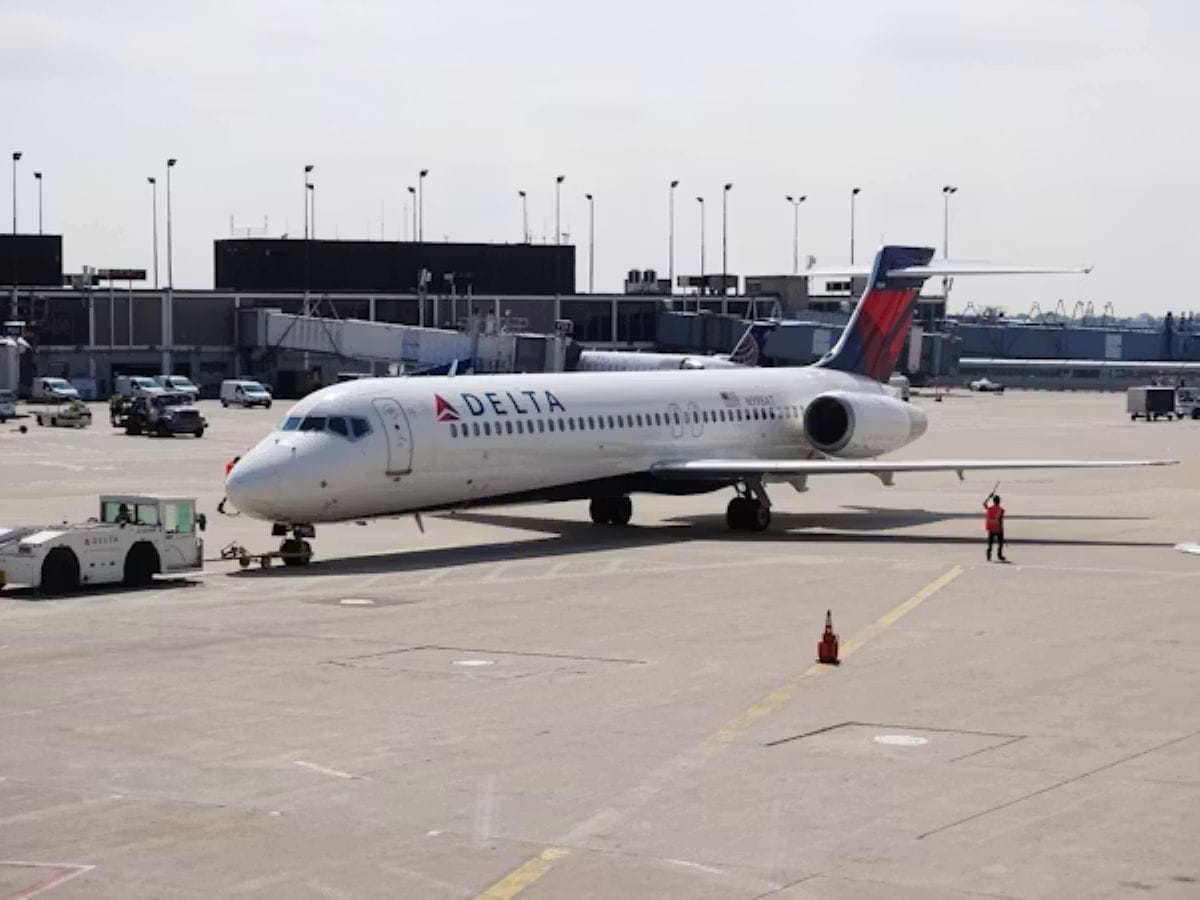
As Delta Air Lines extends the options to fly to Hong Kong from America in 2026, the US enhances the connections in Asia. Significantly, the additional daily link between Los Angeles and Hong Kong puts the latter city in the growing network of Asian destinations in Delta’s route map. Passengers can take advantage of the route when going on vacation, visiting their families and doing business trips. Furthermore, improved connectivity through Los Angeles enables linking passengers from other parts of America to Asia. At the same time, this is happening at the time of the rising demand for travel to Hong Kong from America.
Delta Air Lines Makes Hong Kong the Centre of Its New Asia Travel Push
Hong Kong provides the clearest picture of Delta Air Lines’ Asian expansion in 2026.
Advertisement
Advertisement
Delta launched nonstop service between Los Angeles and Hong Kong on 6 June 2026. The airline uses an Airbus A350-900 on the daily route.
The flight gives passengers another direct connection between one of the biggest aviation gateways in the United States and one of Asia’s major international cities.
Advertisement
Advertisement
However, its importance goes beyond Los Angeles.
Delta said the service supports more than 30 one-stop connections through Los Angeles. This means travellers starting their journeys elsewhere in the United States can potentially connect at LAX before continuing across the Pacific.
Advertisement
Advertisement
The timing also matters.
Hong Kong is already recording growth in international tourism. The new air connection therefore enters a destination where visitor demand has been strengthening rather than creating that recovery by itself.
Advertisement
Advertisement
Delta’s Hong Kong launch should consequently be viewed as part of a wider connectivity story. It links US domestic journeys with a major Asian gateway and potentially creates new itinerary choices for leisure, family and business travellers.
US Visitor Growth Gives the Hong Kong Route a Powerful Tourism Backdrop
Hong Kong’s official tourism figures make the US market particularly important.
Hong Kong welcomed 31.22 million visitors between January and July 2026, according to Hong Kong Tourism Board statistics. That represented growth of 11.4% compared with the same period a year earlier.
The United States showed slightly stronger growth.
Advertisement
Advertisement
Hong Kong received 657,025 US visitor arrivals during the first seven months of 2026. That was an increase of 12.2% year on year.
The overnight market provides an even more useful picture for tourism businesses.
There were 429,737 overnight visitor arrivals from the United States between January and July. This represented growth of 11.6%.
July alone recorded 66,151 overnight arrivals from the US, up 12%.
These numbers matter because overnight travellers can support hotels, restaurants, attractions, shops and local transport.
Yet they also reveal an important difference.
Advertisement
Advertisement
Hong Kong’s total overnight visitor arrivals fell 3.9% year on year in July, while overnight arrivals from the United States increased.
The US market was therefore moving differently from Hong Kong’s overall overnight market during that month.
Delta Enters a Hong Kong Tourism Market That Was Already Growing
The timing of the figures requires careful interpretation.
Delta began its Los Angeles–Hong Kong service in June. Hong Kong’s tourism recovery had already gathered momentum before that flight started.
The Hong Kong Government reported around 23 million visitor arrivals during the first five months of 2026, representing growth of approximately 14%.
That period ended before Delta launched the new service.
Advertisement
Advertisement
It would therefore be incorrect to claim that Delta created Hong Kong’s 2026 tourism growth.
The more important story is that Delta entered a market where international travel demand was already expanding.
That difference is crucial.
Air connectivity can support tourism. New flights can create more travel choices. They can improve access for some passengers and increase available capacity.
But visitor growth also depends on many other factors. These include destination demand, hotel supply, prices, exchange rates, events, border policies and travel preferences.
The Delta service should therefore be seen as new transport infrastructure entering an already growing visitor market.
Advertisement
Advertisement
Los Angeles Becomes a Bigger Gateway Between the United States and Asia
The Hong Kong flight also strengthens the role of Los Angeles in Delta’s wider network.
The airline paired its Hong Kong announcement with additional domestic connectivity.
Delta introduced three daily Los Angeles–Chicago O’Hare flights from 7 June 2026. The airline said its Hong Kong service would support more than 30 one-stop connections through Los Angeles.
This creates an important traveller-focused angle.
The new Asian route is not useful only to people living in Southern California.
A traveller beginning a journey elsewhere in the United States may be able to fly to Los Angeles and then continue to Hong Kong.
Advertisement
Advertisement
That can create more itinerary choices.
However, passengers should still compare the whole journey before booking.
A connection that looks attractive on a route map may not always produce the shortest or cheapest journey. Connection times, fares, baggage conditions, departure hours and arrival times can change the experience.
The real impact of the expansion therefore lies in choice.
Delta is creating another pathway across the Pacific. Travellers can decide whether that pathway works for their individual trip.
Hong Kong Can Become More Than the Final Destination
The new flight also opens a wider question.
Advertisement
Advertisement
What happens after travellers reach Hong Kong?
For some international visitors, Hong Kong is not the final stop.
The Hong Kong Government said that around 20% of overseas visitors in 2025 travelled onward to mainland China through Hong Kong.
That creates a potentially important multi-destination travel opportunity.
A visitor could spend time in Hong Kong before continuing elsewhere, depending on their passport, itinerary and applicable immigration rules.
Hong Kong also has major land transport connections with mainland China.
Advertisement
Advertisement
The Hong Kong Government identified West Kowloon Station and the Hong Kong–Zhuhai–Macao Bridge Port among ports added to mainland China’s 240-hour visa-free transit arrangements in November 2025.
But travellers need to understand the rules.
The 240-hour policy is not a simple ten-day tourist visa for everybody. Eligibility depends on nationality, entry point, permitted area and onward travel to a third country or region.
A flight ticket to Hong Kong therefore does not automatically create permission to enter mainland China under the transit arrangement.
Travellers should check official immigration requirements before building a multi-stop itinerary.
Source: Hong Kong Government official visitor and transit information
Advertisement
Advertisement
Delta’s Asia Strategy Carries More Than Holiday Travellers
Passenger travel is only one part of the Hong Kong story.
Cargo also matters.
Delta said its Airbus A350 operating the Hong Kong route offers capacity for more than 20 tons of cargo per flight.
The airline highlighted possible shipments including electronics, e-commerce goods and perishables.
This creates another economic layer behind the service.
Long-haul passenger aircraft can connect people and goods on the same journey. That can make a route relevant to tourism, family travel, corporate movement and international trade at the same time.
Advertisement
Advertisement
The figure must still be read carefully.
More than 20 tons represents available cargo capacity. It does not mean Delta carries that amount on every flight.
Nevertheless, it shows why international aviation cannot be measured only by tourist numbers.
A successful long-haul network can serve several markets at once.
That wider role makes Hong Kong more than another dot on Delta’s route map. It becomes part of a commercial link connecting consumers, businesses and travellers across the Pacific.
Delta’s Pacific Revenue Growth Adds Another Important Signal
Delta’s financial results provide further context.
Advertisement
Advertisement
The airline reported US$832 million in Pacific passenger revenue during the second quarter of 2026.
That represented an increase of 15%.
Delta also reported 8% growth in Pacific capacity and 7% growth in unit revenue.
These figures indicate stronger commercial activity across Delta’s broader Pacific reporting region.
They should not, however, be confused with Hong Kong tourism statistics.
The US$832 million figure covers Delta’s Pacific passenger business. It does not show how much revenue came from Hong Kong.
Advertisement
Advertisement
It also cannot reveal how many additional tourists the new route generated.
That distinction is important because aviation and tourism measure growth differently.
Airline revenue measures money earned by the carrier.
Capacity measures how much airline space is available.
Visitor arrivals count border arrivals.
Hotel demand measures another part of the journey.
Advertisement
Advertisement
Putting these figures together provides context. Treating them as the same measure would create a misleading picture.
Manila Brings the Next Big Asian Travel Opportunity in 2027
Delta’s Asian ambitions do not end with Hong Kong.
The Philippines is next.
Delta announced a new nonstop service between Los Angeles and Manila scheduled to begin on 28 March 2027.
The airline plans to operate the route three times each week initially. It is then scheduled to become daily from 7 June 2027.
Delta plans to use an Airbus A350-900.
Advertisement
Advertisement
This future route could be especially relevant for family, leisure and business travel.
Delta itself identified passengers visiting friends and relatives alongside holidaymakers and business travellers as important markets.
That gives Manila a different character from a simple holiday route.
For some passengers, fewer flight changes may make a nonstop service attractive. Others may still prefer connecting itineraries because of price, timing or their departure city.
Delta passengers already have access to Manila through partner Korean Air via Seoul.
The new Los Angeles service would therefore add another travel choice rather than creating the only way to reach the Philippines through Delta’s wider network.
Advertisement
Advertisement
Tokyo Narita Will Add Another Airport Choice for Seattle Travellers
Japan forms another part of Delta’s next phase.
Delta plans to begin daily Seattle–Tokyo Narita service on 27 March 2027, using an Airbus A330-900neo.
This announcement needs careful wording.
Delta already serves Tokyo Haneda from Seattle.
The Narita flight therefore does not represent Delta discovering a completely new Tokyo market. Instead, it will add another airport choice for travellers.
That distinction can matter enormously.
Advertisement
Advertisement
Airport location affects the whole trip.
Travellers need to consider where they will stay, how they will reach the city, where they will travel next and which flight schedule suits their plans.
A second airport can create useful options.
But Narita will not automatically be better for every passenger. Haneda will not automatically be better either.
The right choice depends on the individual journey.
This is why modern airline expansion should be judged by more than the number of routes. The quality and practicality of those connections matter just as much.
Advertisement
Advertisement
Riyadh Extends Delta’s Asian Connectivity From Atlanta in October 2026
Delta also plans to open a new connection to Riyadh in Saudi Arabia.
The Atlanta–Riyadh service is scheduled to begin on 23 October 2026.
Its timetable contains an important detail.
Delta plans daily service between 23 and 30 October. After that introductory period, the route is scheduled to operate three times each week.
Travellers should therefore avoid assuming that the daily launch schedule will continue permanently.
This matters particularly when arranging return journeys.
Advertisement
Advertisement
Someone departing during the first week of operation may return after the timetable changes.
Delta describes the service as its first direct Saudi Arabian connection and the first nonstop between the United States and Riyadh operated by a US airline.
The route expands the airline’s reach into another major Asian market while connecting Riyadh directly with Delta’s Atlanta hub.
Delta’s Bigger Los Angeles Strategy Points Towards 2027
September brought another important development.
On 18 September 2026, Delta outlined plans for its largest-ever Los Angeles schedule.
The airline said its summer 2027 peak operation would exceed 200 daily departures with partners.
Advertisement
Advertisement
That number should not be confused with Delta’s current September 2026 flight schedule.
It describes a future peak schedule and includes partner operations.
However, it demonstrates the wider direction of travel.
Los Angeles is becoming increasingly important to Delta’s Pacific ambitions.
Hong Kong is already operating. Shanghai is part of the international network. Manila is coming in 2027.
Delta has also invested heavily in the passenger experience at Los Angeles International Airport.
Advertisement
Advertisement
Its US$2.3 billion Sky Way programme transformed Terminals 2 and 3.
This creates a wider strategy connecting aircraft, airport infrastructure and network growth.
For passengers, that matters because a major international gateway is more than a departure point. It is also where domestic and international journeys meet.
What Delta’s Asia Expansion Really Means for Travellers
US Delta Air Lines opens new routes into Asia via Hong Kong as 2026 travel to Asia sees changes through expansion into Hong Kong, offering travelers increased means to get across the Pacific Ocean. It is worth noting that the airline is increasing connectivity through Los Angeles as it plans for expansion in the area. At the center of its plans is Hong Kong, with demand from visitors from the US rising. Other destinations that will increase travel options in 2027 include Manila and Tokyo Narita. Riyadh will also be added to the route network of Delta in October 2026. In essence, this is more than just an addition of flights.
Advertisement
