
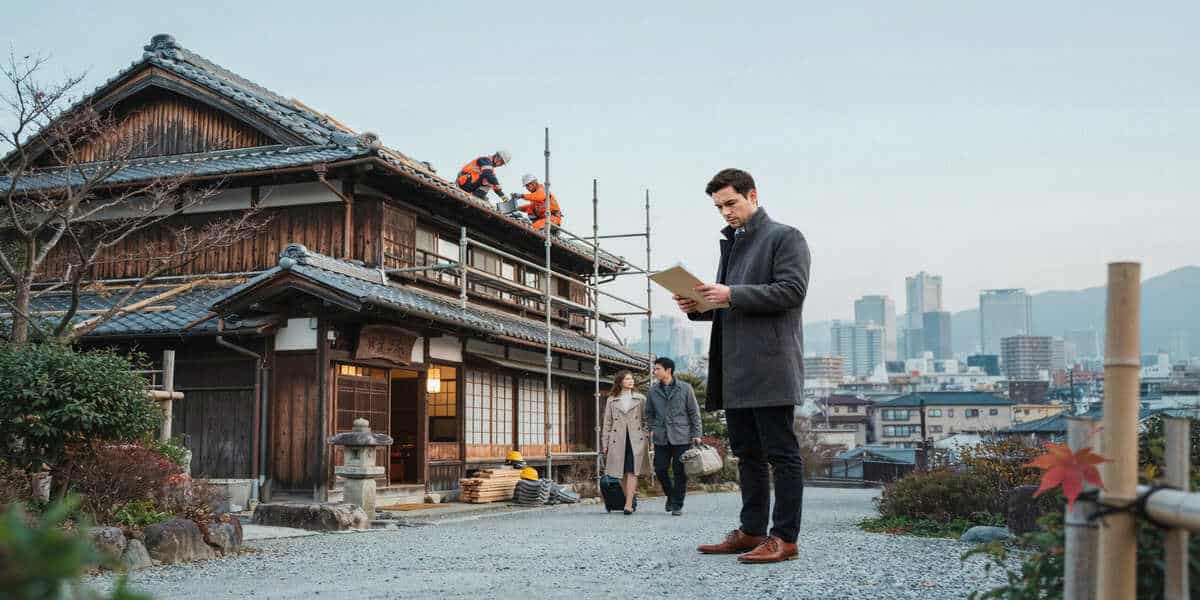
Image generated with Ai
Japan’s stricter visa rules are creating new challenges for tourism investment as foreign entrepreneurs face greater barriers to launching and expanding hospitality businesses across the country. The changes are raising concerns because many overseas investors support regional tourism by developing hotels, restoring traditional inns and creating new travel experiences.
Japan’s new visa restrictions are creating fresh concerns for the country’s tourism future as foreign entrepreneurs struggle to maintain businesses and develop new hospitality projects. The case of Singaporean entrepreneur Ray Hoe shows how sudden visa changes can affect tourism investment, rural development and Japan’s dream of attracting more international visitors.
Japan wants to welcome more travellers and reach ambitious tourism goals. But experts warn that stricter rules for foreign business owners could make it harder to attract the investors needed to build hotels, guesthouses, restaurants and unique travel experiences across the country.
Japan has become one of the world’s most popular travel destinations. Millions of visitors arrive every year to explore its cities, culture, food and natural beauty.
Advertisement
Advertisement
However, Japan’s tourism strategy is changing. The country wants visitors to move beyond famous places like Tokyo, Kyoto and Osaka. It wants more travellers to discover smaller regions and rural communities.
Foreign entrepreneurs have played an important role in this plan.
Many overseas business owners invest in old buildings, traditional inns and local tourism projects. They bring new ideas, international marketing skills and knowledge of foreign travellers.
But Japan’s stricter Business Manager visa rules have created uncertainty among these investors. The new requirements increased the financial and operational expectations for foreign entrepreneurs. The capital requirement reportedly rose from ¥5 million to ¥30 million, while other conditions became stricter.
For small tourism businesses, these changes could create major difficulties.
One of the biggest challenges for hospitality investors is the long preparation period before opening.
A hotel or ryokan must complete several steps:
During this period, revenue may be zero.
At the same time, banks refused to open a corporate account for the hotel business without the required licence.
This created a difficult situation.
The business needed approval to earn revenue. But immigration authorities required evidence of business activity during the visa renewal process.
Japan’s regional tourism development depends heavily on investment.
Many rural areas face challenges such as ageing populations, empty properties and declining local economies.
Foreign entrepreneurs can help solve these problems.
They often invest in:
These businesses can create jobs and encourage travellers to stay longer.
A foreign investor may also understand overseas customers better than a local operator. They know what international visitors expect, what languages they need and how to promote destinations abroad.
For places like Toyama, attracting such investors can help build a stronger global tourism identity.
However, if entrepreneurs believe Japan has become too difficult for small businesses, some may choose other Asian markets instead.
Countries across Asia are competing strongly for tourism investment. Easier business conditions could attract entrepreneurs who might otherwise invest in Japan.
Foreign tourism entrepreneurs do more than create businesses.
They connect Japan with global markets.
A hotel owner from Singapore may understand Southeast Asian travel trends. A restaurant owner from Europe may know European customer preferences. A tour operator from another country may have direct links with international travellers.
These connections can help Japanese destinations reach new audiences.
If fewer foreign entrepreneurs enter Japan, some regions may lose an important bridge to overseas visitors.
This could affect Japan’s goal of building a more balanced tourism industry.
Without enough new tourism products in rural areas, visitors may continue gathering in already crowded destinations.
Japan introduced stricter visa rules because authorities wanted to prevent misuse of the Business Manager visa system. Officials said stronger checks were needed to ensure applicants were running genuine businesses.
However, the challenge is creating a system that protects immigration standards while supporting legitimate investors.
Tourism businesses are different from many other industries. They often require long development periods before they become profitable.
A hotel under renovation cannot earn hotel income. A cultural tourism project cannot welcome visitors before receiving approval.
Experts believe Japan needs a balanced approach that protects the country while continuing to attract skilled entrepreneurs and investors.
Japan’s tourism success is built on its culture, history and natural attractions. But future growth will also depend on investment and innovation.
Foreign entrepreneurs can help create the hotels, experiences and services needed for the next generation of travellers.
The case of Ray Hoe shows the possible impact of stricter visa policies on tourism development.
Japan’s tighter visa rules are putting tourism investment under pressure because foreign entrepreneurs face new hurdles while developing hotels, ryokans and regional travel businesses. The changes could slow efforts to spread tourism growth beyond Japan’s busiest destinations.
With its new visa policies, Japan is putting roadblocks in the way of foreign entrepreneurs starting or expanding tourism-related businesses. Because many regional investors put their money into building hotels and other tourism infrastructure, these policies negatively affect regional tourism. Ray Hoe, an entrepreneur from Singapore, is a prime example of how visa uncertainty can completely stop a region’s investment into a tourism project. Hoe won the competitive bid to buy an abandoned hotel in the mountains and turn it into an ashram. The Japanese government is intent on getting more international tourists and more tourism throughout the entire country including less crowded areas. They need foreign entrepreneurs to help drive such regional tourism and connectivity to different countries.
Advertisement
Tags: foreign entrepreneurs Japan, Japan hospitality industry, Japan tourism investment, Japan Visa Rules, Travel News
Advertisement
Advertisement













Saturday, September 5, 2026

Friday, September 4, 2026

Saturday, September 5, 2026

Saturday, September 5, 2026

Thursday, September 3, 2026

Wednesday, September 2, 2026

Saturday, September 5, 2026

Saturday, September 5, 2026


