
American Airlines Travel Shake-Up 2026: New Rules Promise Relief From Oversold Flight Disruptions

Published
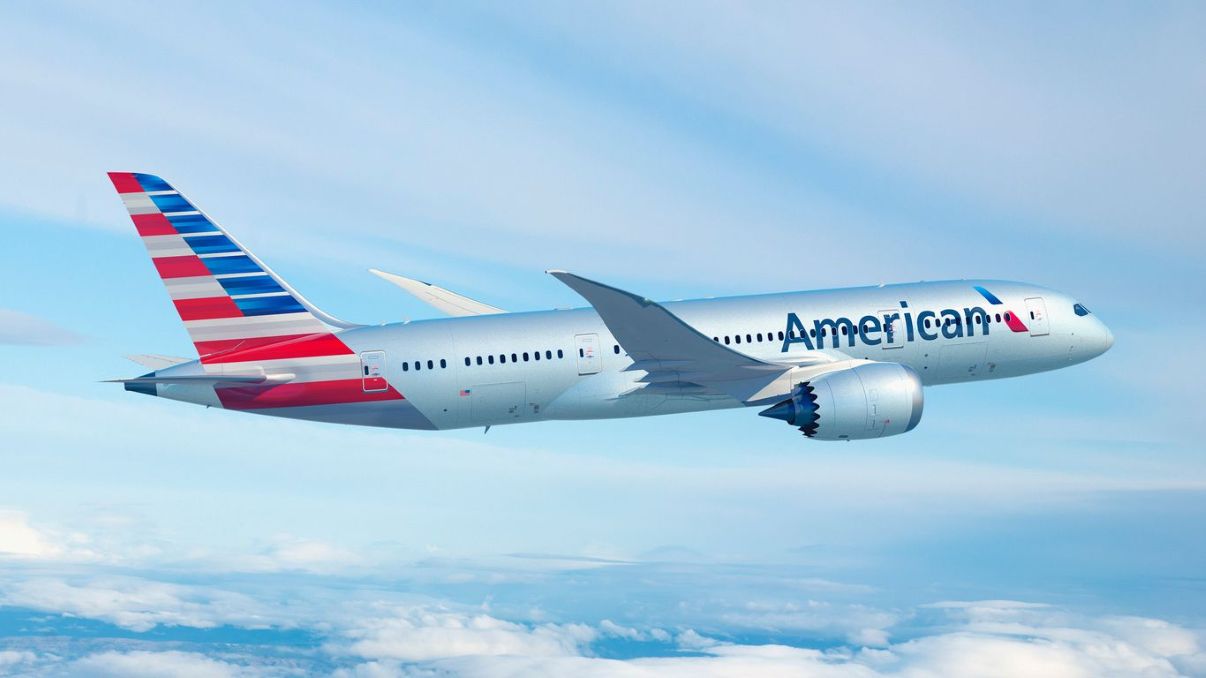
United States air travel is entering a significant new phase as American Airlines introduces a policy designed to end involuntary passenger bumping on oversold flights. The American Airlines Bumping Policy 2026, effective from 30 September, directs airport employees to find volunteers instead of removing confirmed passengers against their wishes. The carrier has introduced earlier passenger notifications, more flexible compensation arrangements and improved alternative flight procedures. With thousands of travellers previously affected by denied boarding, the change could improve confidence among domestic and international passengers. However, American Airlines will continue overbooking flights, and exceptional boarding restrictions remain possible under existing contractual conditions.
American Airlines Bumping Policy 2026 Introduces Major Passenger Protection Changes
American Airlines has introduced new operational procedures intended to eliminate involuntary denied boarding caused by oversold flights.
Advertisement
Advertisement
The policy became effective on 30 September 2026 and covers the airline’s mainline and regional operations.
Under the revised approach, airport employees must continue seeking passengers willing to surrender their seats voluntarily when more ticketed travellers arrive than available seats.
Advertisement
Advertisement
The airline has also authorised staff to hold departures briefly while voluntary alternatives are arranged.
Gate employees are expected to identify potential overselling problems earlier and communicate compensation opportunities before boarding begins.
Advertisement
Advertisement
Digital notifications through the airline’s mobile application and email will help passengers consider available offers.
However, the policy does not mean American Airlines has stopped selling more tickets than available seats.
Advertisement
Advertisement
Instead, it changes how the carrier intends to resolve oversold departures.
Why Has American Airlines Taken Action Against Involuntary Flight Bumping?
The decision follows significant attention to American Airlines’ historical denied-boarding figures.
According to US Department of Transportation statistics cited in the reporting, American Airlines and its regional partners recorded 14,758 involuntary denied boardings in 2025.
Across US airlines, the reported total reached 24,596.
Advertisement
Advertisement
American’s operations therefore accounted for approximately 60% of the recorded incidents.
Delta Air Lines, by comparison, reported no involuntary denied boardings during the same period.
These figures help explain why American has prioritised improvements to oversold-flight procedures.
However, involuntary denied boarding remains relatively uncommon compared with the total number of airline passengers transported annually.
The new policy is intended to reduce disruption while strengthening customer confidence.
Its longer-term effectiveness will depend on whether the carrier can maintain improvements across its network.
Advertisement
Advertisement
American Airlines Introduces Earlier Notifications and Flexible Compensation Offers
Passengers travelling on oversold American Airlines flights may receive voluntary rebooking offers before reaching the departure gate.
The airline’s updated technology allows travellers to consider compensation through digital communications.
Airport employees can also make announcements and seek volunteers during the boarding process.
An important development concerns alternative flight arrangements.
According to the supplied reporting, American can provide volunteers with confirmed seats on the next departure to their destination.
Airport station management can also authorise higher compensation offers without obtaining additional approval from a central department.
Advertisement
Advertisement
A customer service manager or more senior employee must be present when a departure is oversold.
These procedures are intended to make voluntary alternatives more attractive.
However, compensation arrangements depend on the circumstances of each flight and the agreement reached with passengers.
American Airlines Reports Dramatic Reduction in Involuntary Denied Boarding
American Airlines has reported substantial improvements in its denied-boarding performance during 2026.
During the second quarter, involuntary bumping declined by 55% compared with the corresponding period in 2025.
The airline subsequently reported an 85% year-on-year reduction during the third quarter.
Advertisement
Advertisement
At airports where American tested its revised technology and procedures during the summer, the company said involuntary bumping had been eliminated.
These figures suggest that earlier passenger communication and more flexible compensation arrangements may be helping reduce disruption.
However, the results do not guarantee that every future oversold departure will operate without problems.
American’s publicly available customer service plan continues to recognise rare circumstances involving involuntary denied boarding.
Travellers should therefore distinguish the airline’s operational objective from an unconditional guarantee of boarding.
US Department of Transportation Protects Passengers Facing Involuntary Bumping
The US Department of Transportation establishes compensation requirements for eligible passengers denied boarding involuntarily because of oversales.
Advertisement
Advertisement
For domestic flights, passengers arriving between one and two hours later than originally scheduled may qualify for compensation equal to 200% of their one-way fare, capped at US$1,075.
For domestic arrival delays exceeding two hours, compensation can reach 400% of the one-way fare, capped at US$2,150.
Different timing thresholds apply to qualifying international flights departing the United States.
Passengers arriving between one and four hours late may qualify for 200% compensation, subject to the applicable cap.
Longer delays may trigger the higher compensation category.
However, eligibility depends on federal rules and the circumstances of the disruption.
Advertisement
Advertisement
Passengers volunteering to change flights negotiate compensation separately, without a fixed federal payment requirement.
Dallas, Charlotte and Miami Travellers Could Benefit From the New Airline Procedures
American Airlines operates major aviation hubs across the United States, including Dallas/Fort Worth, Charlotte and Miami.
These airports support extensive domestic and international connections.
The new procedures may reduce uncertainty for passengers travelling through these hubs when flights become oversold.
Travellers with onward connections, hotel reservations or scheduled activities could particularly benefit from avoiding involuntary denied boarding.
However, the policy does not eliminate flight delays or cancellations.
Advertisement
Advertisement
Weather, aircraft maintenance, operational restrictions and safety requirements can still affect departures.
Passengers should continue monitoring airline notifications and airport information.
The revised approach specifically addresses overselling-related denied boarding rather than every possible travel disruption.
For passengers planning complex itineraries, adequate connection times and flexible arrangements remain important considerations.
Chicago and Philadelphia Flight Connections Gain Additional Passenger Reassurance
Chicago O’Hare and Philadelphia are also important airports within American Airlines’ route network.
Passengers travelling through these gateways may benefit from the company’s revised procedures for managing oversold flights.
Advertisement
Advertisement
The changes are relevant to travellers connecting between domestic services and international destinations.
For holidaymakers, unexpected denied boarding can affect accommodation reservations, sightseeing plans and onward transport.
American’s new approach aims to reduce these disruptions through voluntary rebooking and improved communication.
However, travellers must still meet check-in and boarding deadlines.
A confirmed reservation does not remove the requirement to arrive at the departure gate on time.
Passengers should also verify whether any alternative itinerary preserves their original connections.
Advertisement
Advertisement
The policy’s practical benefits will depend on consistent implementation across airport operations.
What Should Passengers Do When American Airlines Offers Voluntary Rebooking?
Passengers receiving a voluntary seat-change offer should review the proposed arrangements carefully.
The replacement flight should be confirmed before surrendering an existing seat.
Travellers should also clarify the compensation amount and whether the offer includes accommodation, meals or transport assistance.
Those with connecting flights should ensure that the alternative itinerary covers their complete journey.
Written confirmation is particularly important when compensation involves travel credits or vouchers.
Advertisement
Advertisement
Passengers should retain booking references, boarding passes and relevant communications.
They should also check whether accepting a voluntary arrangement affects other travel bookings.
Federal compensation requirements for involuntary denied boarding differ from negotiated voluntary offers.
Understanding that distinction can help passengers evaluate whether an alternative departure is suitable for their travel needs.
Why Does American Airlines Continue Overbooking Flights Despite the New Policy?
Airlines have historically used overbooking to manage situations in which ticketed passengers fail to arrive for scheduled departures.
Selling more reservations than available seats can help carriers reduce the number of empty seats.
Advertisement
Advertisement
However, difficulties arise when more confirmed passengers arrive than an aircraft can accommodate.
American Airlines’ revised policy does not eliminate overbooking itself.
Instead, the carrier intends to resolve oversold situations by securing volunteers.
The approach depends on passengers accepting compensation and alternative travel arrangements.
Improved technology and earlier communication may increase opportunities to reach agreements before boarding begins.
However, exceptional operational circumstances can still affect passenger boarding.
Advertisement
Advertisement
The new policy therefore represents a change in overselling management rather than a complete elimination of all denied-boarding risks.
American Airlines’ Passenger Policy Could Influence Future US Aviation Standards
American Airlines’ decision reflects increasing attention to customer service and operational reliability within the aviation industry.
Involuntary denied boarding can disrupt holidays, business journeys and international connections.
The carrier’s revised procedures aim to reduce these problems through earlier notifications, improved alternative flight arrangements and more flexible compensation offers.
Other airlines already use different approaches to managing oversold departures.
However, American’s announcement does not establish that the entire US aviation industry will adopt identical procedures.
Advertisement
Advertisement
The long-term significance will depend on the carrier’s future performance and passenger experience.
Government denied-boarding statistics will provide an important basis for evaluating results.
For travellers, the immediate development is greater emphasis on voluntary arrangements rather than compulsory seat removal.
American Airlines’ New Policy Signals a Promising Shift for Travellers
American Airlines’ effort to end involuntary bumping offers greater reassurance to passengers planning domestic and international journeys. The company’s reported reductions in denied boarding during 2026 suggest that operational improvements are producing encouraging results. Earlier notifications, confirmed alternative flights and flexible compensation may help passengers avoid unexpected disruptions. Nevertheless, the airline continues overbooking, and exceptional boarding restrictions remain possible. Travellers should therefore maintain realistic expectations while understanding their federal rights. For families, business passengers and holidaymakers, the policy represents an important attempt to make oversold flights less stressful and travel arrangements more predictable.
IMAGE SOURCE: KAYAK
Advertisement
