
Ethiopian Airlines Connects With Royal Air Maroc and Many Others in Opening New Routes and Improving Passenger Travel

Published
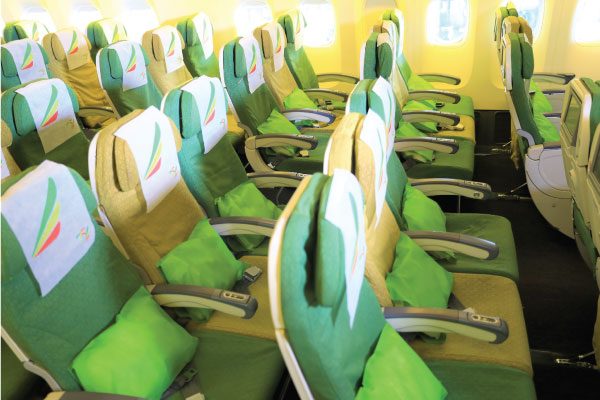
African airlines are expanding their networks, introducing new aircraft, increasing flight frequencies and developing partnerships that give passengers more destinations and connecting options. Ethiopian Airlines, Royal Air Maroc, RwandAir, Airlink, TAAG Angola Airlines, South African Airways and Air Tanzania are among the carriers contributing to this transformation. The expansion is particularly important for regional tourism. More direct flights and improved connections can reduce complicated journeys through overseas hubs, support business travel and make African destinations more accessible to international visitors.
Additional flights are opening opportunities for international visitors, regional businesses and emerging destinations. Morocco is increasing scheduled capacity, while Ethiopia is extending its African network. Rwanda is investing in fleet development, and Kenya is rebuilding operational strength. Together, these changes signal a significant shift in African air travel.
Advertisement
Advertisement
Which African Airlines Are Adding Flights and Improving Passenger Options?
| African airline | Country | Capacity expansion or improvement | Passenger benefits | 2026 status |
|---|---|---|---|---|
| Ethiopian Airlines | Ethiopia | New services to Nacala, Mozambique, and Port Harcourt, Nigeria; Durban resumption; additional frequencies on selected routes | More African destinations and connecting options through Addis Ababa | Announced for October–December |
| Royal Air Maroc | Morocco | Scheduled capacity growth of 20.6% year on year in October | Greater seat availability and opportunities to connect through Casablanca | Scheduled growth |
| RwandAir | Rwanda | Airbus A330-200 fleet expansion; EgyptAir codeshare | Additional long-haul capacity potential and access to Cairo, Rome and Amman | Aircraft deliveries and partnership expansion |
| Airlink | South Africa | Embraer E195-E2 deployment on Johannesburg–Zanzibar and Cape Town–Mauritius routes | More direct Indian Ocean leisure connections | Services introduced in 2026 |
| TAAG Angola Airlines | Angola | African network expansion from 10 to 13 destinations; new Luanda–Dakar–Praia service | Improved Angola–West Africa–Cape Verde connections | Network expansion; new service planned for 31 October |
| South African Airways | South Africa | Expanded reciprocal Emirates codeshare covering nine additional routes | Easier connections across southern and central Africa and beyond | Partnership announced August |
| Air Tanzania | Tanzania | Dar es Salaam–Moscow–Zanzibar service using Boeing 787 aircraft | Additional long-haul access linking Tanzania, Zanzibar and Russia | Service reported launched |
| Air Algérie | Algeria | New Manchester and Libreville services, each twice weekly | Additional links to the United Kingdom and Central Africa | Launched June |
| Air Sénégal | Senegal | Resumption of Dakar–Bamako–Ouagadougou route | Restored West African regional connections | Resumption announced for July |
| EgyptAir | Egypt | Codeshare and interline cooperation with RwandAir | Expanded itinerary choices across Africa, Europe and the Middle East | Partnership announced June |
Why Are African Airlines Expanding Their Flight Capacity in 2026?
African airlines are increasing capacity as carriers respond to travel demand, develop international networks, and seek stronger positions in regional aviation markets. This expansion involves additional scheduled seats, new routes, aircraft deliveries, and partnerships that provide passengers with more travel options.
According to aviation data provider OAG, scheduled airline capacity across African markets reached approximately 26.6 million seats in October 2026, representing an 8.8% increase compared with October 2025. Domestic capacity rose by 11.9%, while international capacity increased by 7.9%.
Advertisement
Advertisement
These figures include services operated by both African and foreign airlines, making them an indicator of overall market growth rather than the performance of individual carriers.
Regional connectivity is also improving. The African Airlines Association reported that intra-African seat availability increased by 10.5% in August 2026 compared with the corresponding period in 2025.
Advertisement
Advertisement
For passengers, these developments could mean more departure choices, improved access to destinations, and additional opportunities to avoid lengthy international connections.
How Is Ethiopian Airlines Strengthening Connectivity Across Africa?
Ethiopian Airlines continues to develop its position as a major international carrier by expanding connections through Addis Ababa. Its network strategy combines new African destinations, additional frequencies, and services that connect regional markets with long-haul international routes.
Advertisement
Advertisement
Among its announced developments is a service to Nacala, Mozambique, scheduled to begin on October 27, 2026, with three weekly flights. The airline has also announced plans to resume daily services to Durban, South Africa, in December.
Another important addition is Port Harcourt, Nigeria, which expands Ethiopian Airlines’ presence in West Africa.
These routes are particularly relevant because direct connectivity between African cities remains uneven. Travelers sometimes need to connect through distant airports to reach destinations within the same continent.
Ethiopian Airlines’ expanding network can provide alternatives through Addis Ababa, particularly for passengers traveling between East, Southern, and West Africa.
Advertisement
Advertisement
Its development also supports business mobility, tourism exchanges, and international connections to African destinations.
What Makes Royal Air Maroc One of Africa’s Fastest-Growing Airlines?
Royal Air Maroc is undertaking one of the continent’s most substantial disclosed capacity expansion programs, supported by additional scheduled seats and a broader international network.
For summer 2026, the Moroccan carrier programmed approximately 8.2 million seats, an increase of 23% compared with the previous summer. Its published program included 86 international destinations and a fleet of 67 aircraft.
OAG data also indicated that Royal Air Maroc’s scheduled capacity for October 2026 was 20.6% higher than a year earlier.
These figures highlight the airline’s growing role in connecting Morocco with Europe, Africa, and North America.
The introduction of direct Casablanca–Los Angeles flights in June 2026 represents another important development, providing an additional transatlantic travel option.
Advertisement
Advertisement
For international tourists, the expansion creates more opportunities to reach Moroccan destinations and connect through Casablanca.
The increased capacity could also strengthen Morocco’s position as a gateway between African markets and major international travel corridors.
How Is RwandAir Preparing for Greater International Passenger Demand?
RwandAir is pursuing international growth through aircraft additions and airline partnerships that could strengthen Kigali’s role as a regional aviation hub.
The airline received an Airbus A330-200 in August 2026, with additional aircraft expected as part of its fleet development program. These investments could provide greater flexibility for long-haul operations and future route expansion.
However, planned aircraft deliveries should not be confused with confirmed increases in scheduled passenger capacity.
RwandAir has also strengthened its relationship with EgyptAir through a codeshare agreement announced in June 2026.
Advertisement
Advertisement
The partnership improves access to destinations including Cairo, Rome, and Amman through coordinated airline networks.
For passengers, codesharing can simplify itinerary planning and expand the range of destinations available through participating carriers.
Rwanda’s tourism industry could benefit from improved international access, particularly as Kigali continues to attract business events and leisure visitors.
Future growth will depend on aircraft availability, commercial demand, and sustainable route development.
Why Is Kenya Airways Focusing on Fleet Recovery and Regional Partnerships?
Kenya Airways is strengthening its operational capabilities through aircraft restoration and commercial partnerships, although its recent capacity performance differs from that of airlines reporting substantial seat growth.
During 2026, the airline returned Boeing 787-8 and Boeing 777-300ER aircraft to operations, improving fleet availability and operational flexibility.
Advertisement
Advertisement
Nevertheless, Kenya Airways reported a 9% reduction in capacity during the first half of 2026. Its recovery efforts therefore should not be interpreted as evidence of immediate overall expansion.
An important passenger-focused development is its agreement with South African airline CemAir.
The partnership provides Kenya Airways customers with access to ten domestic destinations in South Africa and four regional destinations. CemAir passengers also gain access to 15 destinations across Kenya Airways’ African network.
These arrangements expand travel choices without necessarily introducing additional aircraft seats.
For travelers, the principal benefit is broader network access, particularly when combining international journeys with regional connections.
How Are TAAG Angola Airlines and Airlink Improving Regional Travel?
TAAG Angola Airlines and South Africa’s Airlink are contributing to regional connectivity through different approaches to network development.
Advertisement
Advertisement
TAAG has expanded its African destination network from ten to thirteen cities, representing a 30% increase in the number of destinations served. The airline has also returned five aircraft to service, improving its ability to support scheduled operations.
A new Luanda–Dakar–Praia service, planned for October 31, 2026, is expected to improve connections between Angola, Senegal, and Cape Verde.
The route could provide additional travel opportunities across western and southern Africa.
Meanwhile, Airlink has introduced Embraer E195-E2 operations on routes connecting Johannesburg with Zanzibar and Cape Town with Mauritius.
These services are especially relevant to leisure travelers seeking access to Indian Ocean destinations.
For tourism operators, additional regional flights can help support combined itineraries involving mainland African cities and island destinations, while potentially reducing dependence on indirect connections.
Advertisement
Advertisement
What New Passenger Opportunities Are Emerging Through EgyptAir and South African Airways?
EgyptAir and South African Airways are improving passenger options through a combination of international network development and commercial partnerships.
EgyptAir announced a new direct Cairo–Los Angeles service in May 2026, adding another long-haul connection between Africa and the United States.
The airline has also introduced or expanded onboard connectivity options on selected aircraft, including Wi-Fi services.
Such improvements are increasingly relevant to passengers who expect digital access during international journeys.
South African Airways, meanwhile, announced an expanded reciprocal codeshare agreement with Emirates in August 2026.
The arrangement covers nine additional routes, allowing passengers to access more destinations through participating airline networks.
Advertisement
Advertisement
Codeshare partnerships can make complex international journeys easier to arrange by providing coordinated booking opportunities.
However, these agreements do not automatically increase physical seat capacity because partner airlines may operate the flights.
Their primary contribution is greater destination choice and potentially more convenient international connections.
Which African Countries Are Recording the Strongest Aviation Capacity Growth?
African aviation growth is geographically uneven, with some markets recording substantial increases while others experience relatively modest changes.
OAG’s October 2026 figures identify Nigeria as one of the strongest-performing major markets, with scheduled seat capacity increasing by 44.5% compared with October 2025.
Domestic capacity in Nigeria rose by approximately 54.6%, reaching around 1.03 million seats.
Advertisement
Advertisement
Morocco recorded an 11% increase in overall scheduled capacity, while Egypt experienced growth of 9.6%.
South Africa, despite remaining one of the continent’s largest aviation markets, recorded a comparatively modest increase of 0.8%.
Central and Western Africa collectively experienced growth of approximately 19.6%, highlighting the importance of emerging regional travel markets.
These differences demonstrate that airline expansion is not occurring uniformly.
The figures also measure scheduled capacity rather than actual passenger traffic, meaning they cannot independently establish whether airlines achieved higher occupancy, improved profitability, or lower ticket prices.
How Could New African Airline Routes Transform Tourism and Business Travel?
Additional airline routes could play an important role in making African destinations more accessible to domestic, regional, and international travelers.
Advertisement
Advertisement
Direct services can reduce the number of connections required for certain journeys, while increased flight frequencies can provide greater flexibility when planning holidays or business trips.
For tourism destinations, improved air access may support demand for hotels, restaurants, guided experiences, and local transportation.
Morocco’s expanding international network, for example, creates opportunities to attract visitors from additional overseas markets.
In East Africa, Ethiopian Airlines and RwandAir are developing connections that could support travel between regional cities and international destinations.
Southern Africa’s improved island connectivity may also benefit tourism markets such as Mauritius and Zanzibar.
However, airline capacity alone does not guarantee higher visitor arrivals.
Advertisement
Advertisement
Tourism growth also depends on visa policies, affordability, airport infrastructure, destination marketing, and traveler confidence.
The greatest economic benefits are likely where improved connectivity coincides with competitive pricing and accessible tourism services.
What Challenges Could Threaten Africa’s Aviation Expansion?
Despite encouraging capacity figures, African airlines face several operational and financial challenges that could influence the sustainability of their expansion.
Aircraft maintenance requirements, delayed deliveries, fuel expenses, airport limitations, and international operating restrictions can affect airline schedules and profitability.
Fuel costs remain particularly important because aviation fuel represents a substantial operating expense.
The African Airlines Association reported an average African jet fuel price of approximately $169.01 per barrel for the week ending August 21, 2026, compared with a global average of $163.87.
Advertisement
Advertisement
Higher fuel expenses can increase pressure on airline operating costs and potentially influence ticket prices.
Fleet availability is another concern, particularly for airlines managing maintenance requirements or awaiting aircraft deliveries.
Airlines must also ensure that new routes attract sufficient passenger demand to remain commercially viable.
Although expanding capacity can strengthen competition, poorly performing routes may eventually require reduced frequencies or suspension.
Long-term success will depend on reliable operations, financial discipline, and sustained passenger demand.
What Does Africa’s Airline Expansion Mean for Travelers Beyond 2026?
Africa’s aviation developments in 2026 indicate a broader effort to improve connectivity, strengthen airline networks, and make regional travel more practical.
Advertisement
Advertisement
Royal Air Maroc and Ethiopian Airlines are particularly important to watch because of their substantial network development and capacity initiatives.
RwandAir’s fleet investments could create further opportunities for international expansion, while Kenya Airways is concentrating on restoring operational capabilities and widening regional access.
TAAG Angola Airlines and Airlink are improving connections that could benefit business travelers and leisure tourists across multiple African markets.
Partnerships involving EgyptAir and South African Airways are also expanding itinerary choices without necessarily requiring additional aircraft.
For travelers, the most meaningful improvements will be those that provide convenient schedules, reliable services, affordable fares, and easier connections.
The continent’s aviation growth offers encouraging prospects, but its lasting impact will depend on whether airlines can translate additional capacity into sustainable operations and better passenger experiences.
Advertisement
Advertisement
As 2026 progresses, Africa’s airline industry is demonstrating that connectivity is becoming an increasingly important component of regional economic development, international tourism, and cross-border mobility.
Africa’s airline industry is entering a crucial period as carriers invest in connectivity, fleet development and improved passenger services. Ethiopian Airlines and Royal Air Maroc are strengthening international networks, while RwandAir is preparing for further expansion. Kenya Airways is restoring aircraft availability and extending regional access through partnerships. These developments reflect efforts to meet travel demand and address longstanding connectivity challenges. More routes could support tourism, business mobility and regional economic integration. However, rising operating costs and infrastructure limitations remain concerns. Sustainable growth will depend on affordable fares, reliable operations and airlines successfully converting additional capacity into lasting passenger demand.
[Image: Ethiopian Airlines]
Advertisement
