

Peru Connects Andean Heritage and Stargazing With Sacred Valley Tourism

Published
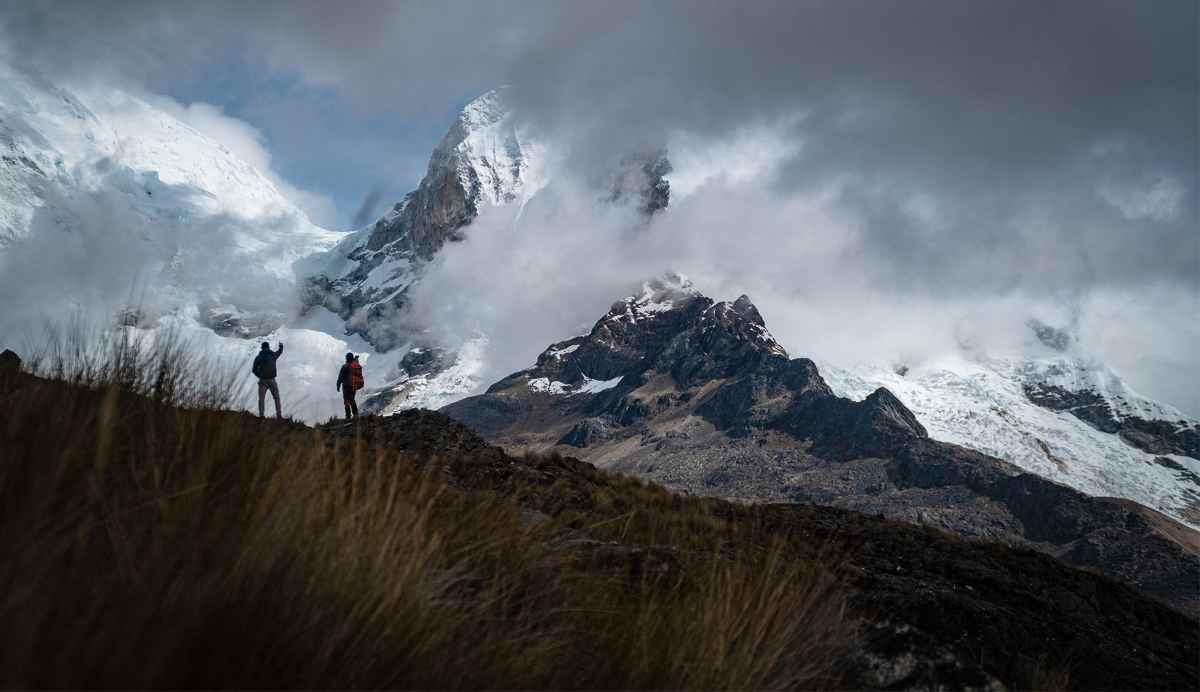
Sacred Valley in Peru has been promoting Inca cultural and agricultural heritage as an alternative attraction after tourists have become interested in more than just Machu Picchu in their search for a deeper experience of Peru’s heritage. Near Cusco and the Urubamba Valley, one can find a combination of historical terraces, traditional weaving towns and mountainous scenery as a background for cultural tourism experiences which would include both historical knowledge and contemporary hospitality. The proposed Andean Spring Planetary Alignments & High-Altitude Equinox Observations planned for September 28-October 1, 2026, could not be confirmed as an official cultural event, but the time of its realisation was associated with the genuine cultural and astronomical events in the Andes, as well as heritage events in Cusco. The regional cultural authority announced the contemporary dance performance, Tejido Danzante, for September 28 and 29, while the September report of its activity also included heritage conservation and management projects at archaeological sites. From the perspective of tourism, the whole story is about how Peru can integrate astronomical heritage with rural experiences and cuisine.
Moray Reveals the Agricultural Intelligence of the Incas
The Moray Archaeological Complex is among the Sacred Valley’s most distinctive archaeological sites.
Its circular terraces descend in concentric levels, creating a striking landscape that reflects the agricultural knowledge of the Inca civilisation. Researchers associate Moray with experimentation and the adaptation of crops to different ecological conditions.
The site sits at approximately 3,480 metres above sea level in the district of Maras. Its terraces are not simply scenic ruins; they provide evidence of how Andean societies worked with altitude, temperature and agricultural diversity.
Advertisement
Advertisement
Moray is generally open from 7am to 5pm, subject to official access arrangements. Visitors are expected to respect archaeological boundaries, avoid climbing on walls and follow restrictions on drones and commercial filming.
Cusco Connects Astronomy With Andean Worldviews
Astronomy has a long history in the Andes. Inca societies observed solar cycles, seasonal changes and celestial patterns to support agricultural planning and understand the relationship between the sky and the natural world.
Advertisement
Advertisement
Peru’s tourism authority describes how Inca astronomical knowledge included the identification of constellations and the use of celestial observations in daily life.
The Milky Way, known in Quechua traditions as Mayu, or the celestial river, held cultural significance. Dark constellations formed from areas of the Milky Way were associated with animals and seasonal patterns.
Advertisement
Advertisement
This history gives contemporary astronomy-focused travel a meaningful cultural context. However, modern stargazing activities should not be presented as direct continuations of traditional ceremonies unless they are led and described by the relevant communities.
The Equinox Adds a Seasonal Dimension
The September equinox marks the beginning of spring in the Southern Hemisphere. In Peru, the season is associated with changing daylight and the agricultural calendar.
The proposed observation programme described telescopes, Quechua spiritual guides and ceremonies connected with the Apus, or sacred mountain beings. No official programme confirming those specific activities was located.
Travellers interested in astronomy can still explore the region’s night skies through private operators, subject to weather, light pollution and local permissions.
Advertisement
Advertisement
The high-altitude setting can offer clear views when conditions cooperate, but cloud cover and changing mountain weather make guaranteed Milky Way visibility unrealistic.
Urubamba Offers a Cultural Base Beyond Cusco
The Sacred Valley extends through a landscape of mountains, rivers, farming communities and archaeological sites. Urubamba provides a useful base for visitors exploring Moray, Maras, Pisac, Chinchero and Ollantaytambo.
Peru’s official tourism information places the valley around 1.5 hours by road from central Cusco, although journey times vary with traffic and the selected route.
The area also offers accommodation ranging from guesthouses to high-end hotels, allowing visitors to combine archaeological excursions with longer stays in the countryside.
For travellers arriving internationally, Cusco’s Alejandro Velasco Astete International Airport is the main air gateway. Road transfers connect the city with the Sacred Valley.
Quechua Communities Keep Craft and Food Traditions Alive
The Sacred Valley’s cultural identity is sustained by rural farming and weaving communities that continue to practise traditional skills.
Advertisement
Advertisement
Chinchero and Pisac are recognised for textile production and handicraft markets. Visitors can encounter weaving techniques, natural dyes and local patterns through community-led experiences.
Food is another part of the journey. Corn, potatoes, quinoa and other Andean ingredients remain central to regional cooking, while chicha de jora, a fermented corn drink, is associated with local traditions.
The supplied brief refers to digital authenticity verification for rural craft communities and municipal visitor caps across high-altitude heritage zones. These specific measures were not independently confirmed as a region-wide system.
Responsible tourism still depends on transparent craft purchasing, fair payment, community consent and respect for cultural knowledge.
Luxury Travel Meets Heritage Conservation
The high-end market in the Sacred Valley enables tourists to explore at a more leisurely pace, with opportunities to make archaeological site visits, local eating and outdoor experiences. Yet, the development of tourism in luxury form brings stress to water, transport and heritage sites. Visitor management and conservation continue to be vital to the protection of the sites that attract tourists internationally. The archaeological status and access policies of Moray make clear why tourism operations have to run according to conservation measures. The chance lies in aligning high-end tourism with the economic participation of locals, and not seeing the culture of rural villages as a superficial feature. The Sacred Valley in Peru is not just a way to reach Machu Picchu. The terraces, astronomy, cuisine and Quechua culture enable a broader appreciation of Andean civilisation.
Advertisement
