

US Expands Paperless Airport Border Checks with Digital I-94 and Biometrics

Published
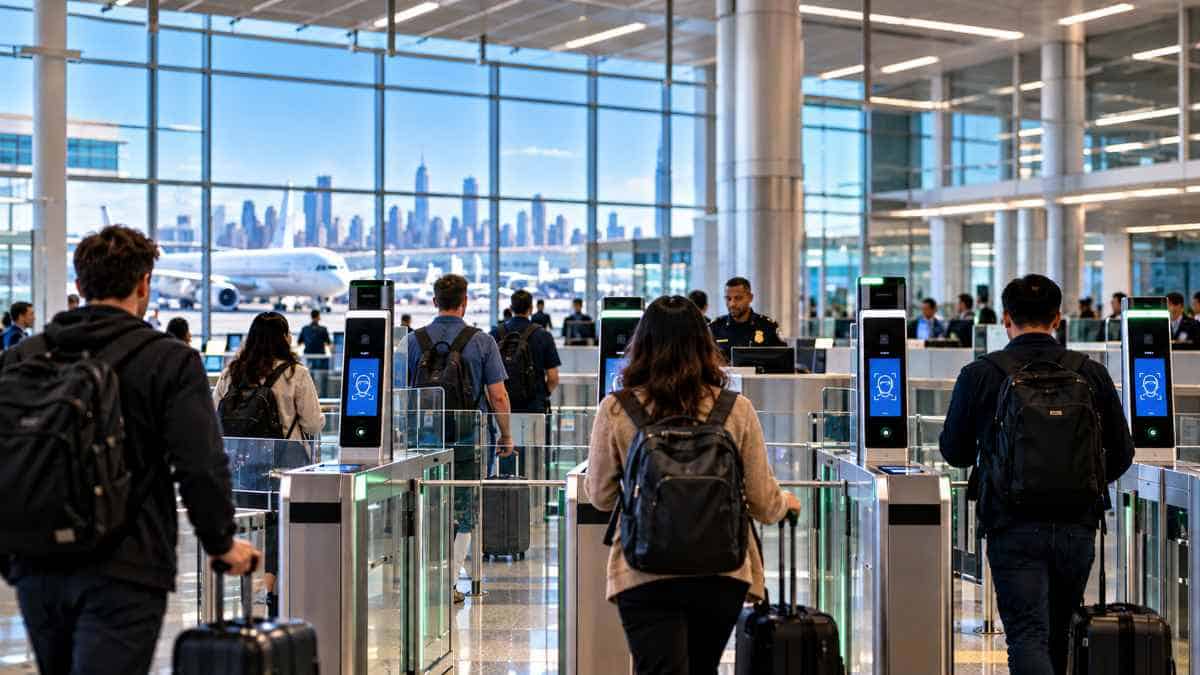
Digital Immigration Processing and Biometrics at International Gateways such as New York, Los Angeles, Miami, Chicago and San Francisco are transforming the arrival process for international visitors to the United States. US Customs and Border Protection (CBP) have introduced the electronic I-94 records and facial biometric technology, which have lessened reliance on the old paper-based immigration process. Nevertheless, the change is not a complete nationwide changeover but rather the extension of the existing digital immigration process in the country. Electronic I-94 processing in US air and sea ports began in 2013, while the biometric facial comparison process has been expanded within international airport entrance operations. The most recent change has not been the first attempt at paperless immigration processes but an expansion of the current digital border control process. For international travellers, businesspeople, and visitors to families within the US, the process involves a different record-keeping and identity authentication process at the airport immigration counter.
Electronic I-94 Replaces Traditional Paper Arrival Records
The I-94 Arrival/Departure Record is an important immigration document for eligible foreign nationals entering the United States. It records the visitor’s admission details and authorised period of stay, providing evidence of their immigration status.
Advertisement
Advertisement
Under the electronic system, CBP automatically creates I-94 records for eligible passengers arriving by air and sea. Travellers no longer routinely receive the traditional paper I-94 form, although limited exceptions remain.
Visitors can retrieve their admission records through the official CBP I-94 website. The document contains important information, including the admission date, immigration classification and authorised departure date.
Advertisement
Advertisement
This information is particularly important for non-immigrant visitors, including tourists, business travellers and certain temporary workers. The authorised period of admission determines how long an individual may remain in the country, rather than the validity period of their visa.
An important distinction remains: electronic I-94 processing does not mean that CBP has universally eliminated physical passport admission stamps. According to the agency’s published guidance, travellers may still receive an admission stamp in their travel documents.
Advertisement
Advertisement
Facial Recognition Expands Across International Airports
Biometric facial comparison is another important component of the United States’ digital border infrastructure.
CBP uses facial recognition technology to compare a passenger’s live facial image against photographs associated with official travel documents and government records. The process supports identity verification during immigration inspections and helps officers identify potential document or identity discrepancies.
The technology has already been introduced across international airport entry operations throughout the country.
CBP reported that its biometric programme had processed more than 807 million travellers and helped prevent over 2,225 impostors from unlawfully entering the United States, according to figures published in its biometrics programme information.
The technology is also used at selected airport departure facilities, although entry and exit coverage differs by location.
For arriving tourists, facial comparison can reduce the need for repeated manual identity checks, while immigration officers retain responsibility for admission decisions.
Advertisement
Advertisement
What International Tourists Need to Know Before Arrival
The electronic I-94 system makes it particularly important for international visitors to check their immigration records after entering the United States.
Travellers should verify that their electronic admission information is accurate, especially their immigration classification and authorised period of stay.
This is relevant for visitors travelling under different non-immigrant categories, including the Visa Waiver Programme, which allows eligible nationals to visit the United States for tourism or business for up to 90 days with an approved ESTA.
Passengers should also understand that an approved ESTA does not guarantee admission. Final entry decisions remain with CBP officers at the port of entry.
For visitors departing the country, electronic departure information is generally recorded through carrier data for qualifying air and sea journeys. Travellers leaving through land borders should pay particular attention to departure-record requirements, as procedures can differ.
ESTA Fees Add to the Cost of US International Travel
The Electronic System for Travel Authorisation (ESTA) is another important part of the United States’ pre-travel screening arrangements.
Advertisement
Advertisement
Eligible visitors from Visa Waiver Programme countries must obtain an approved ESTA before travelling to the United States by air or sea.
The application fee increased from US$21 to US$40 following legislative changes under the One Big Beautiful Bill Act. The revised charge comprises the existing travel promotion fee and additional government fees.
This is an already implemented fee change, rather than a new adjustment scheduled for the following week. Travellers should check the official ESTA application website before submitting an application to confirm the applicable charge.
Major US Gateways Continue to Modernise Passenger Processing
Biometric passenger processing and the development of electronic I-94 records are part of the modernisation of airport processes in the USA. Major international airports like John F. Kennedy International Airport in New York, Los Angeles International Airport, Miami International Airport, Chicago O’Hare, and San Francisco International Airport process many international travellers. In terms of tourism, it is essential to develop effective arrival procedures because they affect the first impression of visitors coming into the country. The electronic system also helps manage international business travellers, visitors, and tourists, keeping electronic entry records and verifying their identities. The development of American airports’ technological infrastructure also includes the implementation of electronic I-94 records and biometric passenger processing, which have become established aspects of the border management system.
Advertisement
