
Santa Cruz Steps up with Cartagena and Others to Turn Around South America Tourism from Ongoing Decline with Aggressive Travel Packages and Funded Infrastructure in Later 2026

Published
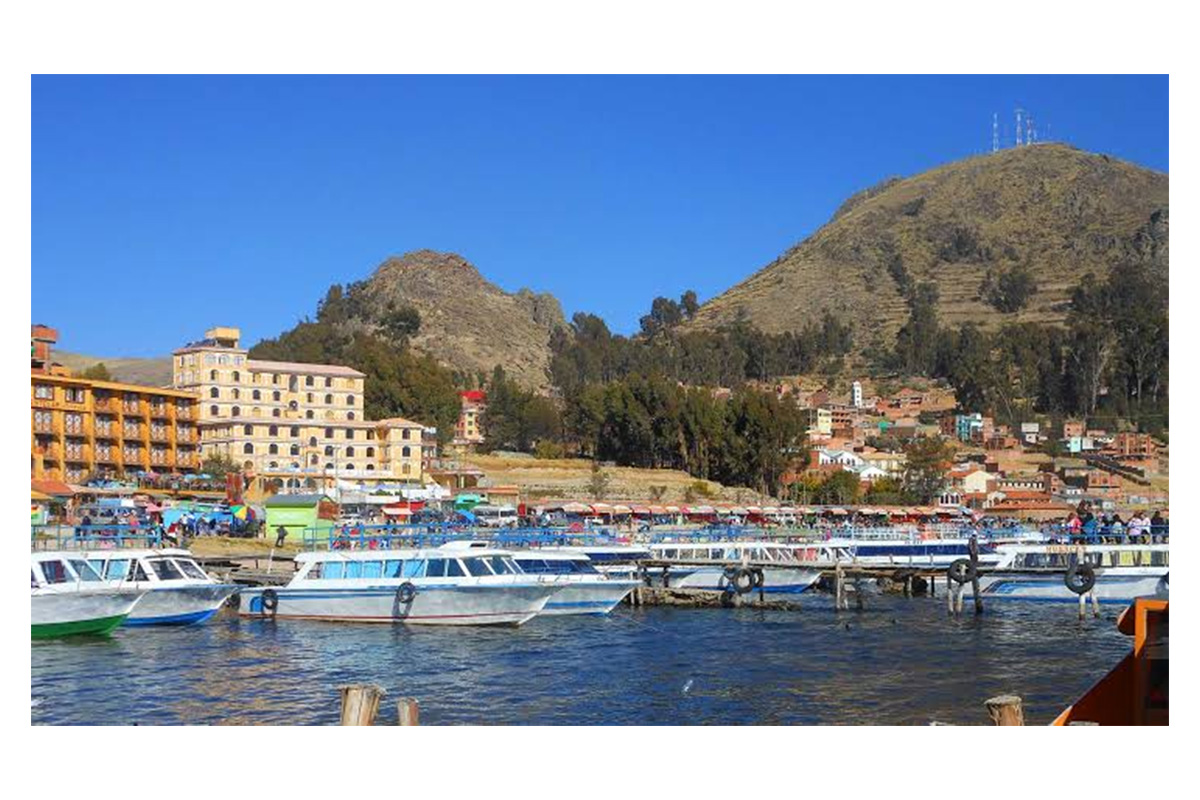
South America is experiencing a revival in tourism in 2026, with countries quickly investing in regional connections to promote domestic travel. While some areas may be stagnant, a group of large cities are experiencing a boost in tourism. Investments in airports in Quito and Guayaquil, and other city planning projects in La Paz and Santa Cruz, have created opportunities for international travel. Air records in Bogota and Cartagena have been broken, as have maritime and aviation records in Rio de Janeiro, Recife and other cities. These records have also been broken in Punta del Este and Montevideo. Tourism projects in South America have created opportunities for people in different regions to travel internationally.
The global travel industry has experienced severe structural shifts over the past five years. While international tourism initially rebounded with immense force post-pandemic, certain sub-regions across the Global South experienced an unexpected normalisation that bordered on stagnation. Entering 2025 and early 2026, industry analysts and authoritative bodies, including the Organisation for Economic Co-operation and Development (OECD), noted that several traditional South American hotspots were facing ongoing declines in international visitor arrivals compared to their historic baselines. Without a unified, systemic intervention, the continent risked losing its competitive edge to emerging markets in Southeast Asia and the Middle East.
However, as of late September 2026, official reports confirm that a highly coordinated and heavily funded regional revitalisation is taking place. This definitive South America tourism turnaround 2026 is being spearheaded not by broad, unfocussed national campaigns, but by a hyper-targeted strategy centring on ten powerhouse city hubs: Quito and Guayaquil in Ecuador; La Paz and Santa Cruz in Bolivia; Bogotá and Cartagena in Colombia; Rio de Janeiro and Recife in Brazil; and Punta del Este and Montevideo in Uruguay.
By actively pivoting away from passive marketing, these governments are deploying unprecedented volumes of funded infrastructure and meticulously designed aggressive travel packages. These initiatives are successfully transforming regional aviation connectivity, modernising maritime ports, streamlining visa policies, and dramatically elevating the luxury travel sector to reverse the continent’s tourism decline permanently.
Advertisement
Advertisement
Background: The Challenge of South American Tourism Decline
To fully comprehend the magnitude of the current travel renaissance, one must examine the industry landscape that precipitated it. According to the OECD’s Tourism Trends and Policies 2026 report, while the broader global tourism sector continued its recovery trajectory throughout 2024 and 2025, South America exhibited a highly fragmented performance. Nations such as Peru and Argentina registered notable declines in international visitor numbers compared to 2019 levels, dropping by 22% and 23%, respectively. This ongoing decline was largely attributed to a combination of outdated infrastructure, limited direct international aviation routes, complex visa bureaucratic processes, and an over-reliance on traditional backpacker demographics that yielded lower economic multipliers.
Recognising the urgent need to modernise, a coalition of proactive South American ministries of tourism acknowledged that standalone marketing campaigns would no longer suffice. The modern international traveller—particularly from high-yield markets in North America, Europe, and emerging Asian economies—demands seamless connectivity, world-class safety protocols, and sustainable, high-end experiences. Consequently, the mandate for late 2026 became clear: to execute a sweeping, continent-wide revitalisation driven by tangible physical investments and sophisticated commercial offerings. The resulting strategy has successfully bridged the gap between public policy and private enterprise, ensuring that South America reclaims its position as a premier global destination.
Advertisement
Advertisement
Ecuador’s Ascent: Quito & Guayaquil Leading Aviation and Luxury Tourism
Ecuador has fundamentally restructured its approach to international visitors, pivoting from a volume-based model to a high-yield, luxury-focussed strategy. At the heart of this transformation are the nation’s two primary urban centres, Quito and Guayaquil, which serve as the indispensable gateways to the Galápagos Islands and the Amazon rainforest.
Ministry of Tourism (MINTUR) Goals for 2026
According to the latest verified data from the Ecuador Ministry of Tourism (MINTUR), the national government has set an ambitious target to achieve $1 billion in international tourism receipts by the close of 2026. This represents a significant leap from the $775 million baseline recorded in previous years. To accomplish this financial milestone, MINTUR projects that the total volume of international tourist arrivals will reach 2.8 million by the end of 2026, representing a robust 8.7% growth compared to historic figures. This growth is not accidental; it is the direct result of targeted governmental interventions designed to attract affluent demographics capable of injecting substantial foreign exchange into the local economy.
Infrastructure Investments and Aggressive Travel Packages
To support this influx of high-value travellers, Ecuador is executing massive funded infrastructure upgrades at Quito’s Mariscal Sucre International Airport and Guayaquil’s José Joaquín de Olmedo International Airport. These aviation hubs are undergoing extensive terminal expansions and runway enhancements to accommodate wide-body aircraft, facilitating direct, non-stop flights from major European and North American cities.
Complementing the physical infrastructure is a wave of aggressive travel packages developed in partnership with leading luxury operators like Goway Travel and EF Go Ahead Tours. Exclusive itineraries, such as the 10-day “Galapagos In Style” package (priced upwards of US$10,995 per person) and the “Ultimate Ecuador” cloud forest retreats, are being heavily promoted. These packages seamlessly integrate Quito’s high-altitude colonial heritage with Guayaquil’s coastal vibrancy, ensuring that tourists spend more time and capital on the mainland before embarking on their island cruises. By marrying premium infrastructure with curated luxury experiences, Ecuador is decisively reversing any lingering threats of industry stagnation.
Bolivia’s Master Plan: La Paz & Santa Cruz Breaking the Mold
Historically viewed as a rugged destination tailored for adventurous backpackers, Bolivia is currently undergoing one of the most profound tourism transformations in the region. The Bolivian government has recognised that relying solely on the raw appeal of the Salar de Uyuni is insufficient for long-term economic sustainability. Consequently, the nation is executing a visionary nationwide strategy anchored by its two dominant cities: La Paz and Santa Cruz.
The 2026–2035 Sustainable Tourism Master Plan
In late 2026, the Viceministerio de Turismo officially began implementing the ambitious Sustainable Tourism Master Plan for 2026–2035. Crucially, this decade-long strategy spans all nine departments of Bolivia, actively dispersing tourist footfall beyond traditional hotspots to encompass lesser-known regions like Beni, Pando, and Tarija. To streamline this massive undertaking, the government is establishing the National Agency for Tourism, Folklore and Gastronomy. This unified institutional framework eliminates bureaucratic barriers, allowing the country to market its Andean landscapes, Amazonian ecosystems, and Indigenous traditions collectively.
Advertisement
Advertisement
Aviation Upgrades and E-Visa Simplifications
The Bolivian turnaround is heavily reliant on sweeping aviation upgrades and policy simplifications. Santa Cruz, via the Viru Viru International Airport, is being aggressively positioned as the nation’s primary low-altitude international gateway, allowing travellers from the United States and Europe to arrive without the immediate shock of high-altitude sickness. From Santa Cruz, visitors are funnelled into La Paz, where the internationally acclaimed Mi Teleférico cable car system continues to receive infrastructure funding, serving both as a vital transit network and a premier sightseeing attraction.
Furthermore, Bolivia has radically modernised its entry protocols for 2026. The government has expanded its e-visa system for Group 2 and Group 3 nations, streamlining entry for lucrative Asian and European markets. This administrative ease is coupled with the promotion of sustainable luxury lodges in the Uyuni region, shifting the demographic from budget travellers to high-net-worth individuals seeking premium, eco-conscious desert adventures.
Colombia’s Phenomenon: Bogotá & Cartagena Shattering Records
Colombia stands as the undisputed titan of the South America tourism turnaround 2026. Having completely shed its historical stigmas, the nation has transitioned into a global travel powerhouse, breaking all previous arrival records and establishing itself as the third most popular destination in Latin America, trailing only Mexico and the Dominican Republic.
ProColombia’s Success and $21.6 Billion Revenue
According to officially verified data from the Ministry of Commerce, Industry, and Tourism (MinCIT) and ProColombia, the nation welcomed an astonishing 6.4 million international visitors in 2025. This historic milestone generated over $21.6 billion USD in tourism revenues, allowing the sector to surpass traditional economic pillars such as coffee, coal, and hydrocarbon exports.
The capital city, Bogotá, continues to dominate as the primary aviation hub, drawing over 1.91 million international visitors alone. Meanwhile, Cartagena remains the crown jewel of the Caribbean coast, leveraging its colonial charm and pristine beaches to attract luxury cruise lines and high-end hotel investors. The government’s national branding strategy, “Colombia, the Country of Beauty,” has been fiercely effective, targeting remote workers and long-stay digital nomads. In 2025 and 2026, tens of thousands of remote workers injected massive capital into local real estate and hospitality sectors, fundamentally altering the economic landscape of these cities.
Tackling Security Challenges and Promoting Sustainable Travel
However, Colombia’s unprecedented growth has necessitated stringent governmental oversight. To protect its reputation and ensure long-term viability, authorities are aggressively combating the “dark side” of the tourism boom, specifically gentrification and illicit economies. According to the ESCNNA Observatory and Migration Colombia, authorities denied entry to 110 foreign nationals suspected of travelling for commercial sexual exploitation in 2025, with an additional 60 denials recorded in just the first quarter of 2026.
Advertisement
Advertisement
By actively policing digital platforms like Telegram and implementing robust surveillance in tourist-heavy corridors in Bogotá and Cartagena, Colombia is sending a clear message to the international community: the nation prioritises safe, sustainable, and highly regulated tourism. This uncompromising stance ensures that the massive influx of foreign capital benefits local communities and preserves the integrity of Colombia’s cultural heritage.
Brazil’s Milestone: Rio de Janeiro & Recife Propelling International Growth
Brazil has unequivocally cemented its status as an economic juggernaut within the continent’s travel sector. Surpassing all governmental targets, the nation has utilised its massive geographic scale and cultural resonance to pull South America out of its post-pandemic slump.
Embratur’s Record-Breaking 9.28 Million Arrivals
Official statistics released by the national tourism agency, Embratur, and the Brazilian Ministry of Tourism confirm that Brazil achieved an all-time historical record in 2025, welcoming 9,287,196 international tourists. This represents a staggering 37.1% growth over the previous record set in 2024. In the first half of 2026 alone, the country maintained this explosive momentum, receiving 5.2 million international visitors and generating an estimated $5.6 billion USD in tourism revenue—a 12% increase compared to the same period in the previous year.
Embratur President Marcelo Freixo has publicly championed this success, noting that the figures shattered the expectations outlined in the 2024–2027 National Tourism Plan. This extraordinary influx of visitors injected US$7.3 billion into the Brazilian economy in 2025, driving job creation and entrepreneurial development across all regions.
OECD Rankings and Northeastern Aviation Hubs
The OECD’s Tourism Trends and Policies 2026 report highlighted Brazil as the fourth-best performing country globally in terms of post-pandemic tourism growth, boasting a 46% increase in foreign visitor arrivals compared to 2019. This remarkable feat places Brazil ahead of major global players like Japan, Portugal, Spain, and France.
This success is intrinsically linked to strategic funded infrastructure developments in Rio de Janeiro and Recife. Rio de Janeiro, acting as the undisputed cultural capital, recorded nearly 2.2 million foreign tourists in 2025, supported by the rapid resumption and expansion of international flight routes at Galeão International Airport. Simultaneously, Recife in the state of Pernambuco is being aggressively developed as the premier aviation gateway to Brazil’s Northeast. By heavily funding Recife’s airport capacity and regional connectivity, Brazil is successfully capturing the lucrative European market, ensuring that international wealth is distributed beyond the traditional Southern hubs.
Advertisement
Advertisement
Uruguay’s Maritime Strategy: Punta del Este & Montevideo Cruise Boom
While smaller in geographic footprint than its neighbours, Uruguay is playing a highly strategic and lucrative role in the continent’s recovery. By focussing meticulously on high-net-worth individuals and maritime luxury, Uruguay is successfully diversifying its visitor base to insulate its economy from regional market fluctuations.
Ministry of Tourism Data and High-Value Segments
According to the Department of Research and Statistics within Uruguay’s Ministerio de Turismo, the nation welcomed over 3.6 million visitors in 2025, generating a formidable $2.04 billion in international receipts. As of late 2026, the strategic focus has shifted explicitly toward quality over sheer quantity. Early 2026 data indicates a deliberate transition towards attracting higher-value visitor segments. By reducing its historical reliance on the volatile Argentine market and targeting affluent travellers from North America, Europe, and Brazil, Uruguay is ensuring a more stable and lucrative tourism economy.
2026 Cruise Ship Season and Port Expansions
The cornerstone of Uruguay’s revitalisation is its aggressive maritime strategy, heavily reliant on the twin pillars of Montevideo and Punta del Este. The Ministry of Tourism projects an exceptionally busy 2026 cruise season, with a confirmed 139 cruise ships scheduled to dock in Uruguayan waters. The Port of Montevideo, having received significant funded infrastructure upgrades to its deep-water terminals, will host approximately 100 of these massive vessels, along with 35 technical stopovers.
Simultaneously, the exclusive resort city of Punta del Este is preparing to receive 39 luxury cruise ships. Known as the “Monaco of South America,” Punta del Este is coupling this maritime influx with aggressive travel packages that feature high-end gastronomy, boutique vineyard tours in Maldonado, and exclusive beachside resort stays. This coordinated maritime and land-based strategy ensures that Uruguay captures the absolute peak of the luxury travel market.
Economic Implications and Industry Impact
The macroeconomic impact of the South America tourism turnaround 2026 cannot be overstated. Across these five nations, the travel sector has evolved from a peripheral leisure industry into a foundational pillar of national economic stability. In Colombia, tourism now accounts for between 4.5% and 5% of the Gross Domestic Product (GDP), sustaining over 1.2 million direct and indirect jobs across hospitality, transportation, and culinary sectors.
In Brazil, the $7.3 billion injected into the economy by foreign visitors in 2025 provided vital foreign exchange reserves that strengthened the national currency and spurred domestic real estate investments. Furthermore, the emphasis on funded infrastructure—ranging from airport expansions in Guayaquil to sustainable eco-lodges in the Bolivian Altiplano—has created tens of thousands of highly skilled construction, engineering, and architectural jobs. This massive cross-sectoral multiplier effect ensures that the wealth generated by international visitors permeates deep into the local working-class economies, reducing poverty rates and fostering upward social mobility.
Advertisement
Advertisement
Expert and Official Statements on Regional Recovery
The overwhelming success of this targeted continental strategy has garnered widespread acclaim from global industry authorities. The OECD’s 2026 findings explicitly praise the region’s ability to combine improved global air connectivity with increased cross-sectoral investment.
Domestically, government officials are highly vocal about their triumphs. Embratur President Marcelo Freixo stated definitively in early 2026: “We exceeded all expectations and made 2025 the greatest year in the history of international tourism in Brazil… it is an economic engine that generates jobs and income in our country.” Similarly, ProColombia continues to champion its “Country of Beauty” campaign, officially noting that sustained growth in visitor arrivals and the diversification of source markets have consolidated the sector as a primary pillar of Colombia’s long-term economic prosperity.
These official endorsements highlight a critical shift in governmental philosophy: tourism is no longer viewed merely as a cultural exchange, but as a hard-nosed, highly lucrative export industry that requires constant legislative support and financial investment.
Future Outlook: Cementing the Travel Renaissance in Later 2026
As the global travel community looks toward the conclusion of 2026 and the dawn of 2027, the trajectory for South America is overwhelmingly positive. The ongoing decline that plagued certain regional markets just a few years ago has been entirely eradicated by the sheer force of political will, capital investment, and strategic foresight.
Moving into the final quarter of 2026, the focus for Quito, Guayaquil, La Paz, Santa Cruz, Bogotá, Cartagena, Rio de Janeiro, Recife, Punta del Este, and Montevideo will be on capacity management and sustainability. Having successfully attracted record-breaking numbers of international tourists, these mega-hubs must now ensure that their newly minted funded infrastructure operates at peak efficiency.
Furthermore, the continued rollout of aggressive travel packages—particularly those targeting niche markets like digital nomads, eco-tourists, and luxury cruise passengers—will ensure that demand remains high even during traditional off-peak seasons. By maintaining this relentless momentum, South America is not just participating in the global tourism economy; it is actively dominating it, securing a prosperous, resilient, and highly lucrative future for its citizens and businesses alike.
Advertisement
