
Cape Verde Mirrors New Eco-Tourism Model Through Maio Turtle Conservation

Published
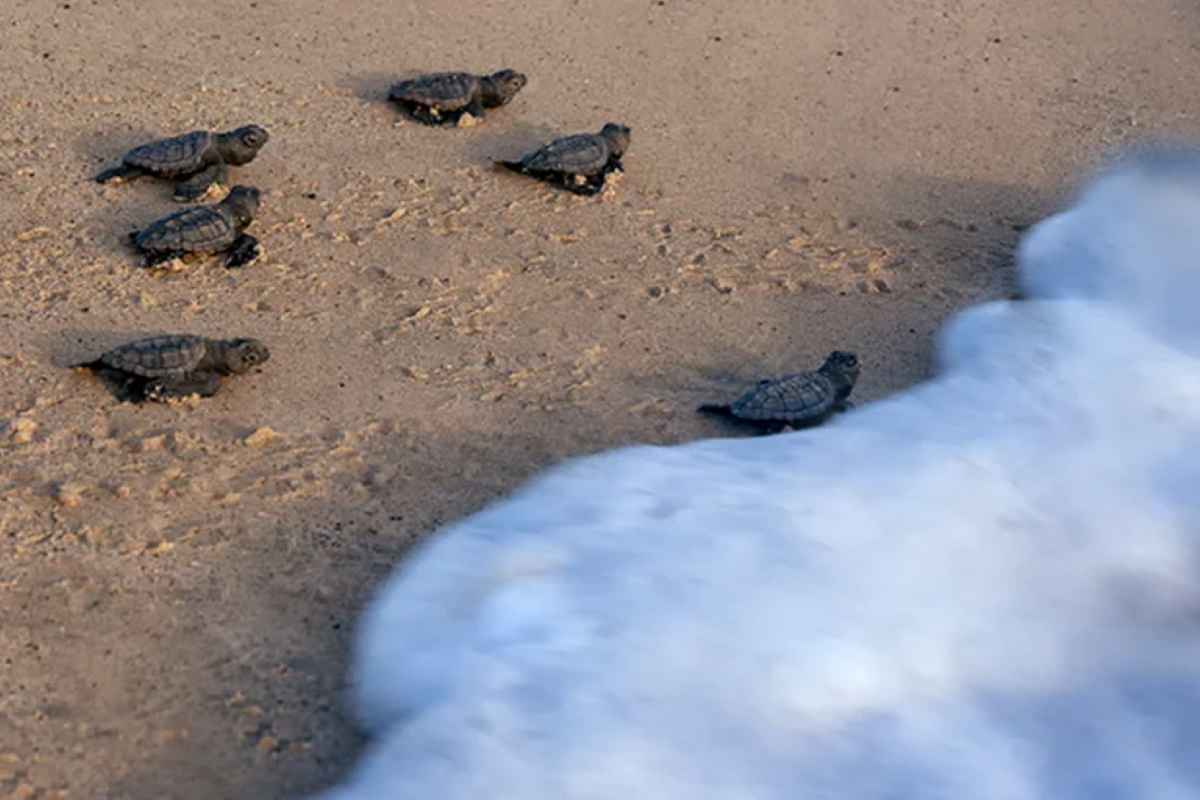
Porto Inglês, Maio, Cape Verde, promotes a type of tourism focused on the community, using the island’s position as one of the most important sites for loggerhead turtle nesting in the nation. The island was granted the status of the UNESCO Biosphere Reserve in 2020, and the conservation efforts are connected with the promotion of sustainable tourism as well as the defence of the coastal zone. The Maio Biodiversity Foundation runs its current program connected with turtles during the nesting seasons, from June to October, and conducts the guarding of beaches and nesting females. The foundation is likely to consider Maio to be the third island in terms of loggerhead nesting in Cape Verde and states that its conservation efforts involve the participation of the local community, scientific studies, anti-poaching measures, as well as promotion of sustainable tourism. The type of tourism promoted on the island differs from resort tourism typical of Sal and Boa Vista islands.
Official government source: Cabo Verde Ministry of Agriculture and Environment — Maio Delegation
Loggerhead Conservation Shapes Night Tourism
Loggerhead turtles, Caretta caretta, are the principal wildlife attraction connected with Maio’s conservation tourism. During nesting season, adult females emerge from the Atlantic after dark and move onto sandy beaches to lay their eggs.
Night-time turtle observation is conducted through organised experiences using trained local guides. Visitors can accompany conservation teams while maintaining the required distance and avoiding disturbance to nesting turtles.
The conservation programme specifically encourages responsible night-time turtle watching with trained local guides. This creates a tourism activity directly connected with wildlife protection rather than conventional beach entertainment.
Advertisement
Advertisement
The timing also creates a distinctive visitor experience. Travellers staying overnight in Maio’s coastal communities can participate in guided evening excursions before returning to local accommodation, extending tourism activity beyond daytime beach visits.
Community Monitoring Protects Nesting Beaches
The conservation system involves local monitors, volunteers, community leaders, technical teams and partner organisations. Beaches are monitored throughout the nesting season, while nests and nesting females are recorded to support conservation research.
Advertisement
Advertisement
The programme uses technologies including GPS and drones to study turtle movements, nesting behaviour and migration. Research also examines beach temperatures, genetics and reproductive patterns, providing scientific information alongside the daily protection of nesting beaches.
The work has also changed the relationship between conservation and local employment. The foundation reports that the programme has created employment alternatives while helping reduce turtle poaching on the island. Its current conservation model explicitly links turtle protection with sustainable economic opportunities for local communities.
Homestays Keep Visitors Close to Island Life
Homestay accommodation forms an important part of Maio’s sustainable tourism structure. The Maio Biodiversity Foundation identifies homestays as one of the tourism activities supporting its turtle conservation programme, placing visitors within local communities rather than relying exclusively on large resort properties.
For travellers, this provides an alternative way to experience Maio. Family-run accommodation can connect visitors with local food, fishing traditions, village life and the island’s coastal environment.
The approach also creates a direct relationship between visitor spending and communities. Accommodation, meals, local transport, guiding and conservation experiences can all contribute to the island economy.
Calheta and Morro Extend the Coastal Experience
The villages of Calheta and Morro provide access to Maio’s coastal environment and community-based tourism activities. Both settlements are connected to the island’s fishing culture and provide routes towards beaches and surrounding protected landscapes.
Advertisement
Advertisement
Maio’s geography supports a combination of beach travel, wildlife observation and village exploration. The island covers approximately 275 square kilometres, with dunes, wetlands, salt marshes and beaches forming a varied natural environment.
Five marine protected areas form part of Maio’s wider conservation network, adding underwater and coastal biodiversity to the terrestrial landscapes. The island’s protected areas are monitored through programmes involving authorities and local communities.
The Biosphere Reserve Links Nature and Tourism
UNESCO Biosphere Reserve status provides a framework for combining biodiversity conservation with sustainable development. Maio’s designation in 2020 recognises an island where communities and natural ecosystems remain closely connected.
The Maio Biodiversity Foundation currently describes the island as containing seven protected areas, including five marine areas with significant biodiversity. It also identifies beaches, dune systems, wetlands and salt marshes among the island’s major natural environments.
For tourism, this creates several complementary experiences. Visitors can move from sandy beaches to wetlands, explore coastal villages and participate in turtle conservation during nesting season.
The island therefore functions as a destination for nature-focused travel rather than a single-purpose beach holiday.
Advertisement
Advertisement
Conservation Creates New Local Tourism Roles
Maio’s conservation programmes are also creating roles connected with environmental monitoring, community education and sustainable economic activity. The foundation says its wider work aims to generate environmentally friendly employment opportunities while strengthening local communities.
The organisation’s current programmes include protected-area management, marine and sustainable fisheries, sea turtle conservation, environmental education and sustainable development.
This combination creates a tourism economy connected to the island’s existing social structure. Fishing communities, local accommodation providers, guides and conservation workers can participate in visitor experiences without transforming the island into a high-density resort destination.
The approach is particularly relevant during the turtle nesting season, when wildlife protection creates a recurring reason for visitors to travel to Maio.
Maio Connects Wildlife With Slower Travel
The island’s relatively small scale makes it suitable for slower itineraries. Travellers can spend several days moving between Porto Inglês, Calheta and Morro while incorporating beaches, protected areas, local food and conservation experiences.
The absence of a heavily concentrated resort corridor also changes the rhythm of the journey. Visitors can stay within communities, use local services and take guided excursions rather than limiting their experience to an all-inclusive property.
Advertisement
Advertisement
For wildlife travellers, the nesting season from June through October provides the key seasonal window. Outside turtle monitoring, the island’s marine areas, wetlands, beaches and village environments continue to support nature and cultural tourism.
Cape Verde Strengthens Maio’s Nature Tourism Role
Maio is an example of how conservation and tourism can work hand in hand on a small island. The framework provided by the UNESCO Biosphere Reserve, along with the protected marine zones and the community-based turtle program, provides a tourism network that is built up of wildlife, landscapes, and local communities’ involvement. The loggerhead program makes use of beach monitoring, research, anti-poaching, and sustainable tourism, with the homestays providing accommodation to visitors coming into contact with local communities. Getting involved with the TAOLA+ environmental action program is one of the actions of the government today, which even hosted the annual meeting of 2026 in Porto Inglês, Maio, together with institutions and conservationists, where the participants discussed issues of marine biodiversity, turtle protection, and sustainable resource management. With turtle monitoring, guided night activities, homestay accommodations, marine protection, and travel through villages all working together, Maio has developed a specific tourist route in Cape Verde.
Advertisement
