
Ghana Leads A Global Travel Boom As Timeless Highlife Music And Coastal Beauty Welcome The World Back Home

Published
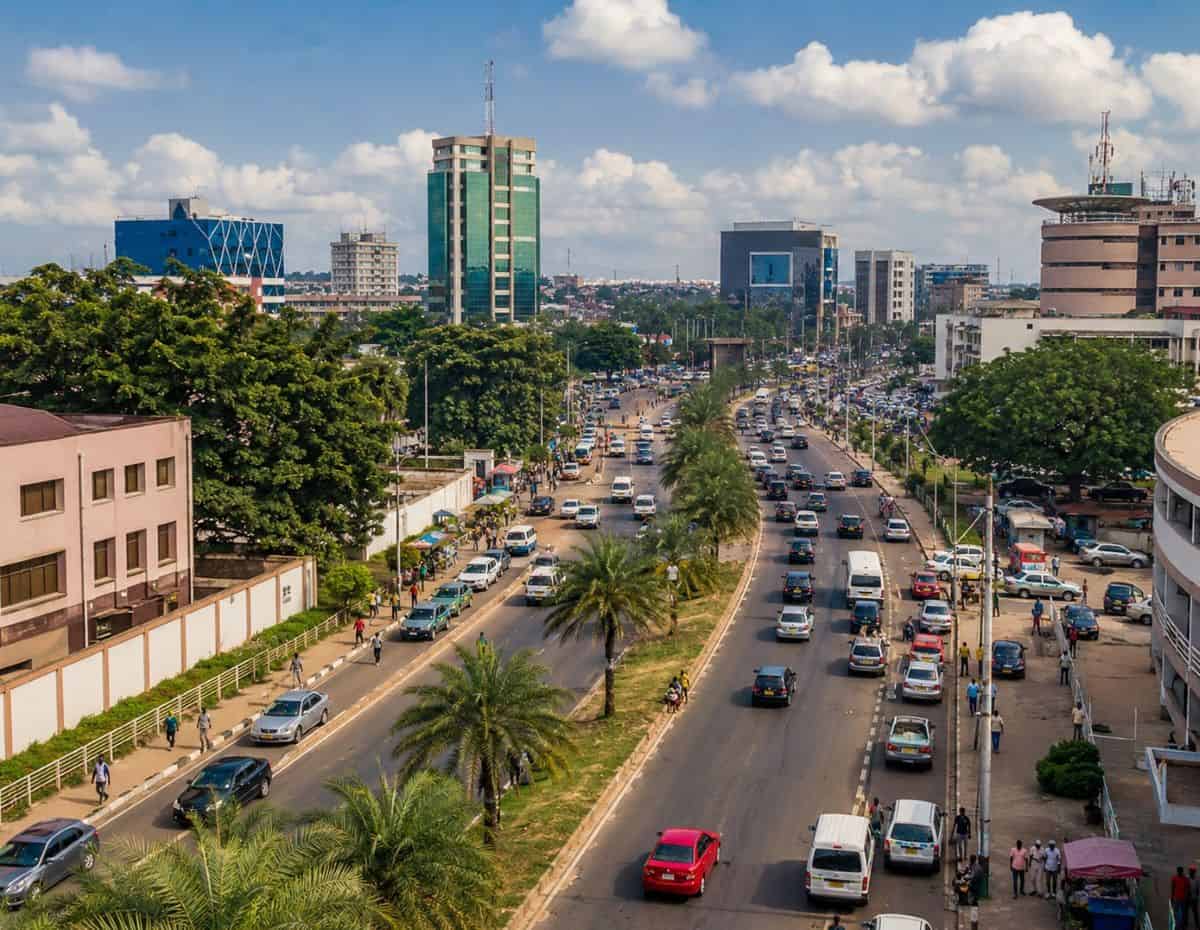
First time visitors to Ghana feel something special when they arrive. The coastal city, while bustling, has a lot of sunshine and is welcoming. That’s all good, but the real impact is feeling the spirit and over 1000 years of history in every corner of the city. Once you feel that, something in you tells you that you have arrived where you are supposed to be. Travelers keep coming back to Ghana, and for those travelers for whom going back to their homeland is the mission in their travel, Ghana is the place. Travel and tourism grows, but top awards and high visitor numbers are no reason to justify a country’s charm. There’s something much more pure and simple. The spirits that still haunt Cape Coast castle tell a story that will inspire awe forever. Crossing the canopy of one of the many rainforests gives you the same awe. There’s not much else you need after a perfect day in Ghana, than Highlife music in the air.
Exceptional Financial Growth and Surging International Tourism Numbers in West Africa
Advertisement
Advertisement
Officials reported that inbound foreign arrivals reached 1,306,962 visitors in 2025, reflecting a steady rise from 1,288,804 visitors in 2024. Consequently, total tourism receipts climbed to an impressive $4.34 billion, delivering a massive economic boost across hospitality networks in Accra. Although local news outlets noted that this monetary value was occasionally cited in local currency units, the underlying commercial expansion remains undeniable! International travelers are increasingly choosing Ghana due to its rich historical legacy, safe urban environments, and diverse cultural offerings. How are these expanding arrival figures transforming long-haul travel markets? They demonstrate that global vacationers actively favor destinations that offer organized heritage tours and transparent commercial regulations.
Furthermore, this financial influx directly drives widespread infrastructure upgrades that enhance the overall foreign visitor experience. Aviation authorities are expanding airport capacity, while municipal transit systems are streamlining ground transportation between primary urban hubs and rural heritage sites. Hotel chains are similarly expanding their regional footprints, introducing eco-friendly boutique stays and full-service business accommodations. Overseas wanderers consequently benefit from greater price transparency, enhanced safety protocols, and seamless booking logistics! As long-haul flight connectivity improves, the region cements its position as a primary gateway for international leisure seekers, academic researchers, and diaspora travelers.
Advertisement
Advertisement
The Remarkable Resurgence of Domestic Travel Across Key Cultural Landmarks
Domestic travel experienced a noticeable surge, rising by 7% to reach 1.79 million visits in 2025! Local citizens and regional vacationers actively explored internal leisure destinations, demonstrating a robust interest in national heritage and environmental conservation. Crucially, the country’s top ten heritage attractions accounted for approximately 77% of all domestic site traffic, attracting more than 1.37 million visits overall. Prominent natural and historical landmarks led this internal travel movement, including:
Advertisement
Advertisement
- Kakum National Park
- Cape Coast Castle
- Elmina Castle
- Kwame Nkrumah Memorial Park
How does this strong domestic engagement protect local economies from unpredictable global market shocks? It creates a permanent economic foundation that sustains local businesses during traditional off-peak tourist months!
When local residents consistently visit iconic destinations like Cape Coast Castle and Elmina Castle, surrounding commercial ecosystems thrive year-round. Small business owners, regional transport operators, local historians, and artisanal craft vendors maintain steady incomes rather than relying exclusively on seasonal foreign crowds. For foreign tourists, this active local participation creates a far more vibrant and authentic atmosphere! Overseas visitors can interact directly with thriving local communities rather than remaining isolated inside private resort enclaves. This balanced approach ensures that historic sites remain well-funded, beautifully maintained, and deeply integrated into daily civic life.
Historic Recognition of Highlife Heritage by Global Cultural Authorities
On December 10, 2025, global cultural custodians officially inscribed Highlife music and dance onto the Representative List of the Intangible Cultural Heritage of Humanity! This monumental milestone followed two years of rigorous research and documentation led by national folklore boards and regional musical unions. Developed throughout the twentieth century, Highlife ingeniously fuses traditional Akan rhythmic structures and palm-wine guitar styles with imported jazz horns and brass arrangements. This foundational genre eventually laid the auditory groundwork for contemporary Afrobeats and modern urban soundscapes! What does this prestigious global listing mean for future international travelers? It elevates regional musical traditions into globally recognized pillars of world heritage, attracting passionate music enthusiasts worldwide.
This prestigious designation creates extraordinary opportunities for immersive cultural tourism across Accra and surrounding coastal towns. Vacationers from North America, Europe, and the global diaspora are actively seeking direct musical engagement, live performance venues, and educational workshops led by master musicians. International tour operators are responding by designing specialized music itineraries, festival access packages, and culinary night tours! By transforming intangible artistic traditions into permanent travel experiences, local creative communities receive direct economic support. This artistic recognition extends the traditional travel season, ensuring that cultural venues remain vibrant and profitable throughout the entire calendar year.
Strategic Formalization and Expansion of Regional Enterprise Licensures
Advertisement
Advertisement
The broader commercial ecosystem supporting national tourism underwent substantial structural growth, with registered tourism enterprises rising by 6.1%! Total licensed operations expanded from 6,702 in 2024 to 7,109 in 2025. Even more impressively, specialized travel-trade businesses recorded an extraordinary 18.6% growth rate over the exact same period! This regulatory shift highlights a deliberate transition away from informal, unmonitored tourism toward a highly professionalized, legally compliant industry. How does formal enterprise licensing benefit global tourists planning complex itineraries? It guarantees standardized safety practices, certified guide qualifications, and equitable pricing structures across all registered operators!
This systematic push for commercial formalization boosts consumer confidence among foreign travelers and international booking platforms. Overseas tourists can now reserve guided excursions, regional transportation, and specialized hospitality packages with complete peace of mind. Furthermore, official business registration encourages foreign direct investment, prompting international hotel brands and logistics companies to partner with verified local providers. As municipal authorities continue to enforce quality control standards, service delivery improves across all price points. Consequently, global wanderers enjoy greater operational transparency, flexible digital payment solutions, and superior customer care throughout their journeys.
Global Strategic Implications and Future Growth Templates for Regional Destinations
The integrated travel strategy demonstrated in Ghana offers a highly compelling structural template for developing markets across Africa and the Global South. By simultaneously pursuing business formalization, cultivating domestic travel habits, and securing international heritage recognitions, national tourism boards can dramatically reduce their vulnerability to long-haul foreign fluctuations. This diversified approach builds resilient local economies capable of weathering global economic uncertainties, shifting aviation costs, and unpredictable travel disruptions. For international tourism analysts, this successful blueprint proves that strategic regulatory reform generates sustainable, long-term commercial growth!
For the international travel industry, this systemic evolution signals an exciting new chapter for decentralized, sustainable travel across West Africa. Foreign vacationers are increasingly prioritizing destinations that emphasize cultural integrity, community empowerment, and environmental preservation. As neighboring territories adopt similar policy frameworks, international travelers will gain access to seamless multi-country itineraries, unified cross-border transit options, and richer cultural exchanges! Ghana has definitively proven that regulatory maturity and authentic heritage protection can jointly drive lasting economic prosperity.
Navigating the Future of West African Tourism with Sustainable Cultural Assets
Advertisement
Advertisement
Ghana has conclusively shown how global cultural recognition and $4.34 billion in tourism receipts can revitalize an entire regional travel economy! Consequently, international tour organizers and travel platforms are rapidly expanding their regional offerings to satisfy growing global demand. However, maintaining this positive trajectory requires persistent investment in physical infrastructure, rigorous service quality monitoring, and proactive environmental protection at delicate natural sites like Kakum National Park. By balancing rapid commercial expansion with strict conservation standards, municipal authorities ensure that local ecological and historical treasures remain protected for future generations.
As global travel preferences shift toward authentic cultural immersion and ethical community engagement, Ghana stands out as an exemplary model of strategic destination management. Travelers worldwide now view this vibrant West African nation not merely as a temporary holiday spot, but as an essential, year-round hub for history, music, and breathtaking natural beauty! The progressive policies implemented in Accra demonstrate that true destination appeal relies on self-determined cultural pride, robust business licensing, and inclusive economic growth. The valuable lessons established here will undoubtedly influence global travel strategies and regional tourism policies for generations to come.
Deepening Roots: Diaspora Connectivity and Ancestral Heritage Expansion Across Coastal Destinations
Municipal cultural planners observed that the continuous expansion of diaspora heritage initiatives has generated an enduring wave of ancestral tourism, drawing overseas visitors back to West Africa. Ancestral root seeking, spiritual pilgrimages, and cultural homecomings—particularly among passionate travelers originating from North America, the Caribbean, and Europe—have successfully evolved far beyond short-term celebratory gatherings into a permanent, highly lucrative travel sector. How does this continuous diaspora engagement fundamentally transform local hospitality trends? It fuels an incredible demand for highly personalized historical excursions, specialized genealogy research centers, and deeply immersive community stay programs throughout Accra and adjacent coastal provinces! As a direct result, heritage-conscious travelers build long-term emotional, personal, and economic ties with local host communities, establishing sustainable cultural exchanges that endure dynamically across generations.
Furthermore, this sustained diaspora movement actively encourages international professionals, creative entrepreneurs, and private investors to contribute directly to regional infrastructure developments and grassroots cultural projects. Local hospitality providers are increasingly collaborating with global diaspora networks to build specialized boutique lodging, contemporary arts centers, and interactive historical education workshops. Overseas visitors gain direct access to profoundly authentic, community-led itineraries that extend vastly beyond standard sightseeing packages. By framing diaspora connectivity as a vital, irreplaceable pillar of long-term national travel policy, destination managers successfully cultivate an exceptionally loyal base of global wanderers. Consequently, this continuous influx of passionate heritage seekers shields the regional leisure economy against unpredictable shifts in broader international travel markets.
Modernizing Gateways: Digital Visa Frameworks and High-Efficiency Aviation Logistics
Advertisement
Advertisement
Aviation authorities and border management agencies across Ghana implemented streamlined electronic visa protocols and modernized airport arrival procedures to drastically simplify international entry. These progressive policy adjustments, including expanded visa-on-arrival frameworks during peak festive seasons, significantly reduce administrative friction for long-haul vacationers landing in Accra. Why are flexible entry logistics so absolutely critical for global travel growth? They eliminate tedious application delays, spark spontaneous travel decisions, and make the destination vastly more competitive on the international stage! Overseas travelers benefit directly from transparent digital application portals, expedited border processing lines, and seamless transit connections to expanding regional air networks.
Additionally, ongoing structural upgrades to international terminal facilities and regional runway capacity empower major international airlines to introduce direct long-haul flight routes from key metropolitan centers across Europe and the Americas. Enhanced airport logistics, modernized baggage handling systems, and upgraded ground transportation corridors ensure that arriving guests transition smoothly from the terminal tarmac to primary heritage destinations like Kakum National Park without experiencing frustrating delays. This comprehensive modernization strategy also mitigates operational risks for international tour operators organizing complex multi-destination itineraries across West Africa. As transit efficiency improves continuously across air corridors and ground routes, the territory firmly asserts itself as an effortless, world-class gateway for international leisure, academic, and business travelers alike.
Eco-Conscious Horizons: Community-Led Rainforest Stewardship and Sustainable Hospitality
Environmental conservation authorities expanded community-based eco-tourism programs around fragile natural preserves, ensuring that environmentally conscious travelers contribute directly to regional biodiversity protection. At celebrated ecological sites like Kakum National Park, sustainable canopy walkway operations and guided ancient rainforest treks generate vital, recurring funding for wildlife monitoring, anti-poaching units, and habitat restoration projects. How does community-led eco-tourism elevate the overall journey for international tourists? It guarantees that site entry fees directly support local village development, clean water projects, and sustainable forestry education! Global travelers increasingly favor destinations where their travel spend creates immediate, tangible ecological and socio-economic benefits for resident host populations.
Moreover, forward-thinking hospitality developers across rural provinces are constructing low-impact eco-lodges, off-grid treehouses, and solar-powered wilderness retreats that blend harmoniously into lush natural landscapes. These sustainable sanctuary accommodations provide conscious travelers with quiet, deeply restorative escapes while adhering strictly to zero-waste protocols, rainwater harvesting, and stringent energy conservation standards. Native naturalists and resident community guides lead expert educational walks, sharing deep traditional knowledge regarding indigenous flora, fauna, and time-honored forest preservation techniques. By embedding rigorous environmental stewardship into the overarching national tourism framework, regional planners safeguard delicate tropical ecosystems against over-tourism while delivering rich, high-value nature experiences for the global travel market.
Ghana is Always With You
When you return home from Accra, you will discover the warmth of Ghana’s people, Highlife music, the moving artifacts Ghana preserved at Cape Coast Castle, and your affection for Ghana will be enhanced, in spite of the fact that everything will be unpacked. A thriving tourism sector looks impressive, but Ghana’s tourism is much more rewarding and fulfilling. It provides an opportunity for the rest of the world to take a break, appreciate and join the all-embracing narrative to which we all belong. The Kakum National Park heavily laden with amazon rainforest is much more than what the eyes behold. The Park captures the feeling and the true spirit of a future oriented nation. In addition, as West Africa transforms the international view of traveling, one fact is self-evident, This is not doing just traveling, this is feeling truly at home.
Advertisement
