
Flights Cancelled Over Asia As 190 Cancellations And 2,151 Delays Affect Travel Across Tokyo, Osaka, And Others

Updated
Published
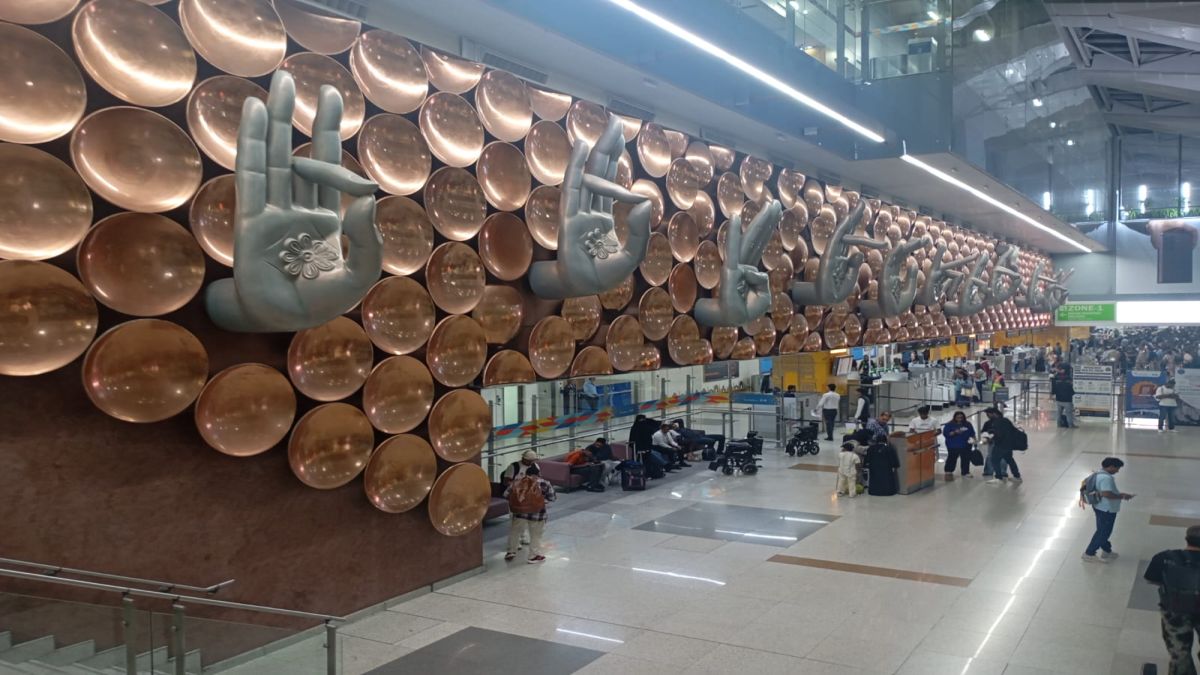
Hundreds of passengers faced travel disruptions across Asia today, with 2,151 delays and 190 cancellations recorded across 16 major airports, affecting connections through Japan, the Philippines, China, India, Türkiye, the United Arab Emirates, Saudi Arabia, Qatar, and Indonesia. Delhi recorded the highest number of delays, with 350, followed by Dubai with 259, Jakarta with 250 and Mumbai with 211. Jeddah reported the highest number of cancellations, at 26, while Jakarta recorded 22.
Among airlines, China Eastern recorded 432 delays and 26 cancellations, while Akasa Air reported 30 cancellations. Qatar Airways, Batik Air, Air China, Air Arabia and Saudia also reported flight disruptions.
Airports Recording the Highest Flight Disruptions Across Asia
Indira Gandhi Airport, Delhi
Indira Gandhi Airport in Delhi, India, recorded 350 delays and 10 cancellations, the highest delay count. The figures reflect continued operational pressure at one of the country’s key aviation hubs. The airport recorded a departure delay rate of 22%, while the arrival delay rate stood at 27%.
Advertisement
Advertisement
Dubai Airport
Dubai Airport in the United Arab Emirates recorded 259 delays and 12 cancellations. The airport’s role as a major connecting hub means flight schedule changes can affect passengers travelling between regions. The airport reported a departure delay rate of 23%, compared with an arrival delay rate of 28%.
Soekarno-Hatta Airport, Jakarta
Soekarno-Hatta Airport in Jakarta, Indonesia, reported 250 delays and 22 cancellations. The departure delay rate stood at 18%, while the arrival delay rate reached 23%.
Advertisement
Advertisement
Chhatrapati Shivaji Maharaj Airport, Mumbai
Chhatrapati Shivaji Maharaj Airport in Mumbai, India, recorded 211 delays and 11 cancellations. The airport registered a departure delay rate of 24% and an arrival delay rate of 22%.
Sabiha Gokcen Airport, Istanbul
Sabiha Gokcen Airport in Istanbul, Türkiye, registered 170 delays and 10 cancellations. The departure delay rate stood at 17%, while the arrival delay rate was 16%.
Advertisement
Advertisement
King Abdulaziz Airport, Jeddah
King Abdulaziz Airport in Jeddah, Saudi Arabia, recorded 168 delays and 26 cancellations. Its cancellation count was the highest among the 16 airports. The airport reported a departure delay rate of 21%, while the arrival delay rate reached 26%.
Kempegowda Airport, Bengaluru
Kempegowda Airport in Bengaluru, India, reported 167 delays and nine cancellations, contributing to the flight disruption figures across the country’s aviation network. The departure delay rate stood at 22%, compared with an arrival delay rate of 21%.
Ninoy Aquino Airport, Manila
Ninoy Aquino Airport in Manila, the Philippines, recorded 121 delays and three cancellations.
Hamad Airport, Doha
Hamad Airport in Doha, Qatar, reported 120 delays and 16 cancellations. Its position as a major international transfer hub makes schedule reliability important for connecting passengers. The airport recorded a departure delay rate of 15% and an arrival delay rate of 19%.
Narita Airport, Tokyo
Narita Airport in Tokyo, Japan, recorded 101 delays and six cancellations, adding to the disruption figures across East Asia. The departure delay rate stood at 16%, while the arrival delay rate was 10%.
Airlines Reporting the Most Flight Schedule Changes
China Eastern
China Eastern recorded 432 delays and 26 cancellations, the highest delay count among the airlines. Its delay rate stood at 18%.
Advertisement
Advertisement
Akasa Air
Akasa Air reported 30 cancellations, the highest cancellation count among the airlines in this comparison. The airline also recorded 15 delays, with a delay rate of 6% and a cancellation rate of 12%.
Qatar Airways
Qatar Airways registered 108 delays and 16 cancellations. Its delay rate reached 16%.
Batik Air
Batik Air recorded 76 delays and 15 cancellations. The airline’s delay rate stood at 25%, alongside a cancellation rate of 5%.
Air China
Air China reported 128 delays and 11 cancellations. Its delay rate was 7%.
Air Arabia
Air Arabia recorded 90 delays and seven cancellations. Its delay rate of 38% was the highest among the airlines.
Garuda Indonesia
Garuda Indonesia reported 59 delays and five cancellations. Its delay rate reached 25%.
Advertisement
Advertisement
Saudia
Saudia recorded 85 delays and three cancellations. Its delay rate stood at 35%.
Steps Passengers Can Take When Flights Change
- Check the airline’s official website or mobile application for the latest flight status.
- Review emails and text messages for schedule changes and cancellation notices.
- Contact the airline to discuss rebooking options or applicable refunds.
- Check connecting flight arrangements if an earlier leg of the journey is delayed.
- Keep booking confirmations, boarding passes and receipts for relevant expenses.
- Arrive at the airport according to the airline’s latest instructions.
Factors Behind Flight Cancellations Across Asia
Flight cancellations and delays across Asia can arise from several operational challenges. Weather conditions, aircraft availability, crew scheduling, airport congestion, maintenance requirements and adjustments to airline timetables can affect departure and arrival times. Restrictions on airspace or changes to flight routes may also influence operations.
The reasons can differ between airports and airlines.
Flight disruptions were also significant across Asia yesterday. Read our previous report here.
The information presented in this report was collected and reviewed using real-time records from October 16, 2026, at 2:49 pm ET (October 17, 12:19 am IST).
Primary source: FlightAware.
Verification Process: The editorial team reviewed the figures through cross-checking. Timestamped records, flight-tracking logs and data-feed snapshots have been preserved to support accuracy and editorial transparency.
Note: Flight-tracking figures can fluctuate as airspace conditions and airline operations change. Small variations may occur when comparing these figures with updates published by individual airports or airlines.
Passengers are advised to verify their flight status, monitor schedule changes and consult the latest operational information provided by their respective airlines before departure.
Advertisement
Verified by Somudranil Sarkar
