
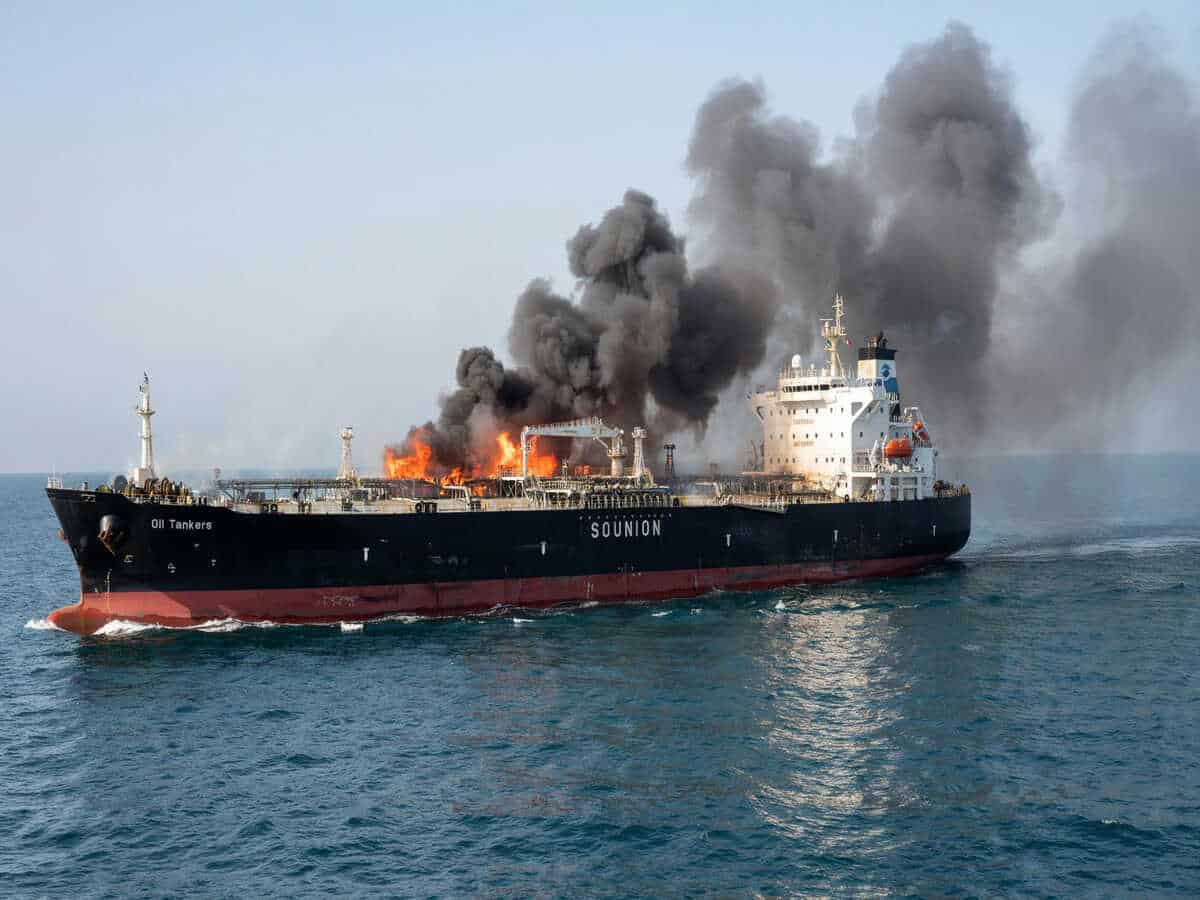
Image generated with Ai
Turkey and Japan are among the countries facing growing economic pressure as a sharp 25% increase in oil prices pushes up import costs, raises fuel expenses and creates fresh uncertainty for tourism markets already watching the impact of Middle East conflicts and growing risks around the Strait of Hormuz. The sudden energy shock is creating challenges for oil-importing economies, airlines, travellers and businesses as higher crude prices spread through transportation and supply chains.
The oil market has entered a highly uncertain phase as geopolitical tensions in the Middle East continue to influence global energy prices. Although prices have experienced short-term corrections after rapid gains, crude remains significantly higher because investors are concerned about possible supply disruptions, shipping risks and instability around key energy routes.
Advertisement
The Strait of Hormuz has become a major focus for global markets because it is one of the most important energy corridors in the world. Any prolonged disruption or end-to-end blockade risk in the waterway could create serious consequences for oil supplies, international trade and global travel.
For countries that depend heavily on imported energy, including Turkey and Japan, the increase creates a difficult situation. Higher oil prices mean larger import bills, increased transportation costs and additional pressure on consumers and industries.
Advertisement
Oil is a key driver of the global economy. It powers aircraft, ships, trucks, factories and millions of vehicles worldwide. When crude prices rise sharply, the impact moves quickly through different sectors.
A 25% increase in oil prices can create several challenges:
The aviation sector is particularly vulnerable because jet fuel is directly linked to crude oil prices. Airlines already operate with high fuel expenses, and further increases can force carriers to reconsider ticket prices, routes and expansion strategies.
For tourism destinations, the impact can be significant. More expensive flights may discourage international visitors, while hotels and tourism businesses may face higher operating expenses due to increased energy and transportation costs.
Turkey is among the countries closely affected by rising oil prices because it relies heavily on imported energy to meet domestic demand.
A 25% increase in crude prices creates pressure on Turkey’s economy through several channels.
First, higher oil prices increase Turkey’s energy import bill. The country spends significant amounts on purchasing oil and natural gas from international markets. When global prices rise, more money is required to maintain the same level of energy supply.
Second, fuel prices can increase for Turkish consumers and businesses. Higher petrol and diesel costs affect:
The tourism sector is also exposed to these challenges. Turkey is one of the world’s major tourism destinations, welcoming millions of international visitors every year. However, rising fuel prices can influence travel decisions.
Higher aviation costs may affect flights connecting Turkey with European, Asian and Middle Eastern markets. Airlines operating to Turkish destinations may face increased expenses, which can eventually influence ticket pricing.
Hotels and tourism operators may also experience higher costs because energy is required for:
For a tourism-driven economy, sustained high oil prices can become a major challenge because travellers may reduce spending when transportation becomes more expensive.
Japan faces a different but equally serious challenge because the country has limited domestic energy resources and depends heavily on imports.
As one of the world’s largest energy consumers, Japan is highly sensitive to global oil price movements.
A 25% oil price increase affects Japan through:
Japan must spend more to secure crude oil supplies from international markets. Rising prices can increase the overall cost of energy imports and place pressure on the economy.
Japan’s economy depends on efficient transportation networks. Higher fuel prices affect:
Expensive fuel can increase daily expenses for consumers. Higher transportation and energy costs can reduce household purchasing power.
Japan’s tourism sector may also face challenges. The country has experienced strong tourism growth, but higher global travel costs could influence visitor behaviour.
International tourists may reconsider long-distance travel if airfare prices rise because airlines need to recover higher fuel expenses.
Domestic tourism can also be affected because higher fuel prices increase the cost of:
The biggest concern behind the oil price increase is the continuing uncertainty surrounding the Middle East.
The region supplies a significant share of the world’s crude oil. Any disruption involving major producers or shipping routes can quickly affect international markets.
Investors are especially monitoring:
The Strait of Hormuz connects major Gulf oil producers with global markets. A serious blockade scenario could create one of the largest energy supply disruptions in modern history.
Even without a complete closure, increased security risks can raise:
These risks encourage traders to add a geopolitical premium to oil prices, keeping crude markets elevated.
The oil shock is creating a difficult environment for international aviation.
Airlines worldwide are watching fuel prices closely because jet fuel remains one of their largest operating expenses.
Higher oil prices can lead to:
Carriers may increase fares to offset higher fuel bills.
Airlines with narrow margins may struggle to absorb additional costs.
Some carriers may delay new routes or reduce capacity if operating costs become too high.
Tourism markets could also experience a slowdown if travellers face higher transportation expenses.
Popular destinations may need to manage a new challenge: maintaining visitor demand while travel becomes more expensive.
Countries dependent on international tourism could feel the impact through:
While countries such as Turkey and Japan face higher costs, major oil exporters may benefit from stronger revenues.
Oil-producing economies can experience:
Countries such as Saudi Arabia, the United Arab Emirates and Kuwait may see financial benefits from higher crude prices.
However, even producers face risks because regional instability can threaten infrastructure, shipping routes and long-term investment confidence.
The 25% surge in oil prices has once again revealed the deep connection between global energy markets and the tourism industry. For Turkey and Japan, the rising cost of imported energy is creating a difficult balancing act as both countries work to protect economic growth while managing higher fuel expenses, increased transportation costs and pressure on industries that rely on affordable energy. The challenge is not limited to governments alone, as businesses, airlines and consumers are also feeling the impact of a more expensive energy environment.
The future of global tourism will largely depend on how the Middle East situation develops in the coming months. Any further escalation and increased risks of disruption around the Strait of Hormuz could push oil prices even higher, creating additional pressure on airlines, travellers and economies worldwide. However, if diplomatic efforts succeed and energy supply concerns gradually reduce, oil markets could regain stability, easing pressure on transportation costs and supporting a stronger recovery for global travel.
Turkey and Japan are facing a major economic and tourism challenge as a 25% oil price shock drives up energy import costs, increases fuel expenses and raises concerns over global travel disruption amid Middle East conflicts and end-to-end blockade risks around the Strait of Hormuz.
For now, Turkey, Japan and other oil-importing countries remain on alert as the world faces a new energy challenge where fuel prices, geopolitical conflicts and tourism recovery are becoming increasingly connected.
Advertisement
Advertisement
Advertisement













Saturday, September 5, 2026

Friday, September 4, 2026

Saturday, September 5, 2026

Friday, September 4, 2026

Thursday, September 3, 2026

Wednesday, September 2, 2026

Friday, September 4, 2026