
Cyprus Varosha Draws Heritage Tourism as New Visitors Now See the Past on Open Streets and Must Stay

Published
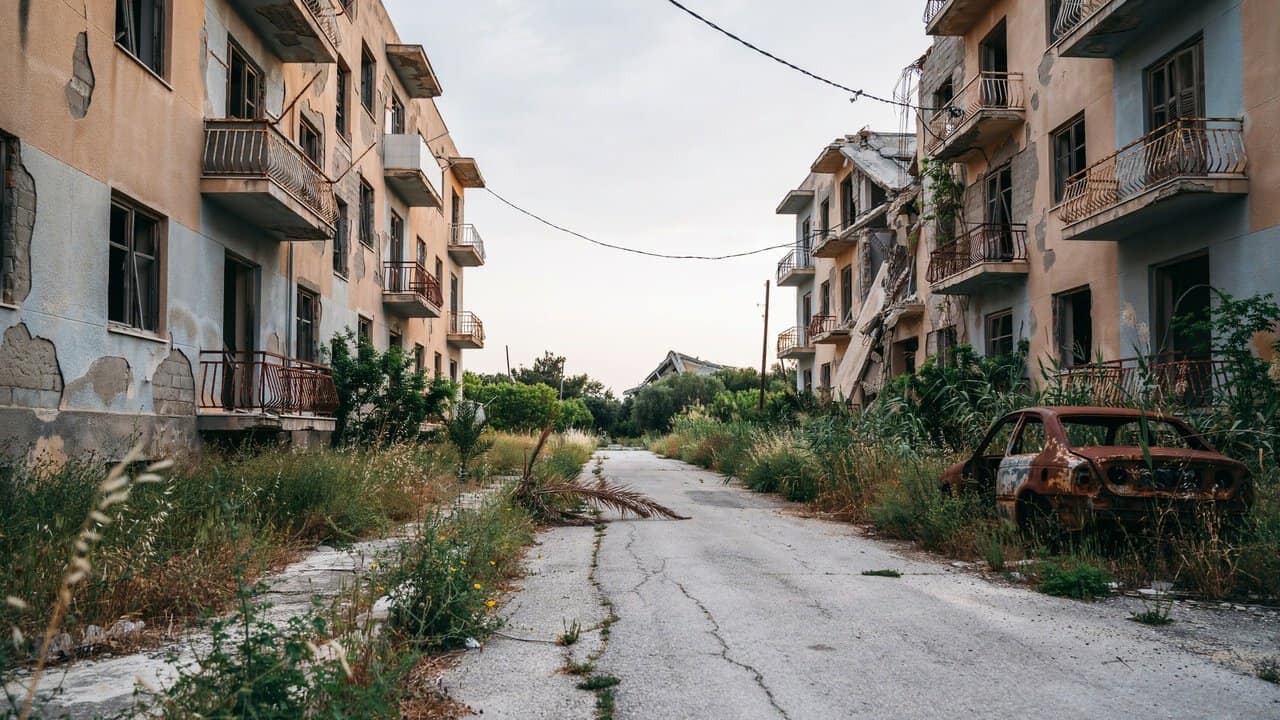
Parts of Varosha, the former seaside resort district in Cyprus, have been accessible to visitors since October 2020. The area had remained fenced off after its residents fled during the 1974 conflict. A further partial reopening was announced in July 2021, prompting objections from the United Nations Security Council. For travellers interested in Heritage Tourism, the immediate point is that access remains limited. The recent travel feature about Varosha announces no new opening, flight route or entry rule. This article explains the verified history, the available tourism figures and what visitors should check before travelling.
What the Varosha Story Actually Establishes
Varosha Draws Heritage Tourism interest because visitors can see part of a resort district whose history changed abruptly in 1974. The story concerns a place that became partly accessible years ago, rather than a new tourism measure in September 2026. The United Nations has addressed the steps taken at Varosha, while the Republic of Cyprus provides guidance on entering the island and crossing to areas outside its effective control. Those are distinct issues: access to part of a district, the district’s disputed status and a traveller’s right to make the journey.
The table assigns an editorial share of the story, not an official statistical percentage. Its purpose is to show how much weight the verified evidence gives each subject. The shares total 100%. They do not measure visitor interest, economic impact or the proportion of Varosha open to the public.
| News component | Share of story: editorial assessment | Officially verified finding | Relevance to travellers | Official source |
|---|---|---|---|---|
| Varosha’s history and partial access | 40% | Steps to open the coastline began in October 2020; a further partial reopening was announced in July 2021. | A visit concerns limited access, with no newly announced opening established for September 2026. | United Nations Security Council |
| Disputed status | 25% | The Security Council called for the steps taken at Varosha to be reversed. | Visitor access should not be mistaken for a resolution of the dispute. | United Nations Security Council |
| Entry and crossing rules | 25% | Tourists can cross from government-controlled areas at designated points, subject to current rules. | Travellers must check their documents, arrival route and crossing arrangements. | Republic of Cyprus tourism authority |
| Tourism figures | 10% | Cyprus recorded 4,534,073 tourist arrivals in 2025, up 12.2% from 2024. | National figures do not reveal how many people visited Varosha. | Republic of Cyprus Statistical Service |
| Total | 100% | Editorial assessment, not official statistics |
From Seaside Resort to Partial Visitor Access
Before the conflict of 1974, Varosha formed part of Famagusta’s seaside resort area. Its residents fled, and the fenced district ceased to function as an ordinary holiday destination. The empty setting now attracts attention, but its appearance tells only part of the story. Buildings that visitors may see from accessible areas belonged to a place where people lived and worked. Describing Varosha solely as an abandoned attraction would leave out that human history.
Advertisement
Advertisement
The chronology of the access changes is important. In October 2020, steps were taken to open Varosha’s coastline. In July 2021, a further reopening of part of the fenced area was announced. The Security Council expressed concern about the first development and condemned the second, calling for the steps to be reversed. As of 25 September 2026, the official record reviewed for this article establishes no new opening date or timetable for full public access. Varosha Draws Heritage Tourism visitors under those limits; the earlier announcements should not be presented as fresh news.
What Official Figures Reveal About Cyprus Tourism
The Republic of Cyprus recorded 4,040,200 tourist arrivals in 2024 and 4,534,073 in 2025. The difference was 493,873 arrivals, representing 12.2% growth across the country. These figures describe arrivals to Cyprus as measured in the official national statistics. They provide useful context for the scale of the island’s tourism sector, but their geographical coverage is much wider than Varosha. They cannot show whether the district attracted more visitors in either year.
Advertisement
Advertisement
That limit matters for claims about business impact. Visitors to accessible parts of Varosha may also use transport, accommodation or other services during a Cyprus trip. The official figures reviewed here do not measure spending associated with such visits, however. They provide no Varosha-specific count of entries, overnight stays or revenue. Varosha Draws Heritage Tourism interest is a description of the district’s appeal, not evidence of a measured boom. It would be inaccurate to credit Varosha with Cyprus’s national arrival increase or assign it a share of that growth.
Entry, Crossing and Access: What Travellers Need to Know
The Republic of Cyprus’s tourism authority says foreign tourists who visit government-controlled areas can cross to areas outside its effective control. Crossings are possible at designated points, subject to the regulations in force when the journey takes place. The authority also warns of possible legal consequences for travellers who arrive on the island through airports or ports in the north. It identifies Larnaka and Pafos airports, together with specified seaports in government-controlled areas, as recognised entry points under the Republic’s rules.
Document requirements depend on nationality. The official tourism guidance says most travellers need a passport, while eligible citizens of European countries and certain other states may use a photographic national identity card. Cyprus is outside the Schengen area, so visitors should check its own entry conditions rather than assume Schengen rules govern their stay. No Varosha development discussed here changes a visa or passport requirement. Travellers should establish how their own documents and itinerary fit the current rules before making plans to cross.
- Check entry eligibility: Confirm the passport, identity card or visa conditions that apply to your nationality.
- Check your arrival route: Review the Republic of Cyprus’s recognised points of entry before booking transport.
- Plan the crossing: Identify a designated crossing point and check the rules applying on your travel date.
- Respect access limits: Follow on-site signs and instructions; partial access does not make restricted streets or buildings open to visitors.
- Confirm practical arrangements: Check current transport and any applicable charges locally. The verified material does not establish a new Varosha visitor fee or service schedule.
These steps do not imply that every traveller needs to alter an existing booking. They address the particular decisions involved in entering Cyprus, travelling to the north and visiting a partly accessible district. Varosha Draws Heritage Tourism attention, but a traveller still needs current practical information rather than assumptions based on photographs or an older account of the site.
Why the Dispute Matters to the Visitor Experience
The Security Council’s position remains central to understanding Varosha. It called for the reversal of steps taken since October 2020 and reiterated that attempts to settle any part of the area with people other than its inhabitants are inadmissible. Those statements concern the district’s status; they are not a visitor timetable or a map of permitted routes. The Republic of Cyprus’s tourism guidance addresses a different question: how tourists may enter the island and cross between areas under different effective control.
Together, the official positions explain why ordinary destination language needs care here. A partial visit can help someone encounter Varosha’s history, but sightseeing does not settle questions about former residents or the area’s future. Varosha Draws Heritage Tourism interest in a setting where restrictions and unresolved issues remain part of the experience. For the wider travel industry, any claim that this interest has changed bookings, prices or visitor spending would require separate evidence. None is established by the official figures examined for this article.
Advertisement
Advertisement
What Happens Next for Varosha Visitors
No official source reviewed here sets a date for Varosha to open fully. Nor does it announce a new flight route, visitor policy or visa change linked to the district. The development travellers should watch for is a clearly published change to access arrangements. Statements concerning Varosha’s status will also remain relevant to understanding the wider dispute. Until a change is officially confirmed, visitors should plan around the access limits and crossing rules in force at the time of their trip.
Varosha offers a limited view of a former Cyprus resort whose residents fled in 1974. Partial access began in 2020, but it has neither opened the entire district nor resolved its disputed status. National tourism arrivals rose in 2025; those figures do not establish visitor growth at Varosha. Heritage Tourism visitors should check current entry, crossing and site guidance before travelling. The district’s history deserves more than a description of empty buildings, and its future cannot be inferred from a travel feature. Any wider opening or policy change will require official confirmation. For now, accurate expectations are the soundest basis for a visit.
Advertisement
