
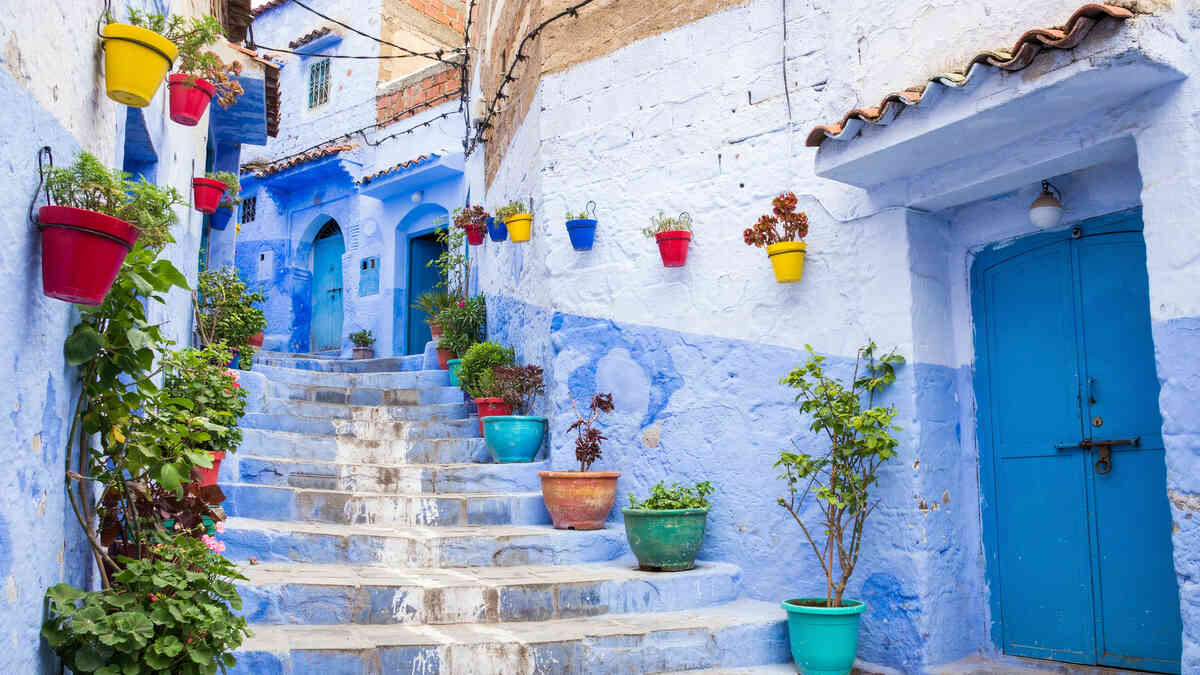
Image generated with Ai
Morocco is set to welcome 26 million visitors a year by 2030 as the Gulf states grow in popularity. Morocco is becoming a major global holiday destination as its tourism boom gathers pace and the country’s luxury appeal grows, putting it on course to meet its target of 26 million visitors a year by 2030. The North African state is attracting a growing number of Gulf visitors seeking an alternative to traditional European destinations and offering a mix of Atlantic coast scenery, culture and top-class hotels, resorts, health spas and family-friendly attractions.
The country’s tourism sector has entered a period of exceptional expansion. Morocco recorded 19.8 million tourist arrivals in 2025, marking a 14% increase compared with the previous year and establishing another milestone for the destination. Tourism receipts also recorded strong growth, reaching around MAD 138 billion, reflecting the rising economic value of international travel.
Advertisement
The growth momentum has continued into 2026, with visitor numbers maintaining an upward trend. The country is now using this strong performance as a foundation to accelerate its long-term tourism ambitions and strengthen its position among the world’s most attractive leisure destinations.
Morocco’s tourism rise has been supported by a combination of improved international connectivity, expanded accommodation options, destination diversification and growing demand for unique travel experiences. The country has moved beyond being viewed only as a cultural destination and is now being positioned as a complete leisure market offering coastal holidays, luxury stays, adventure experiences and family travel opportunities.
Advertisement
The tourism strategy is focused on attracting more international visitors while expanding the range of destinations available across the country. Traditional favourites such as Marrakech and Agadir continue to attract global attention, while destinations including Rabat, Tangier, Essaouira and other coastal and heritage locations are receiving greater focus.
The national tourism growth plan is also being supported by major infrastructure improvements. Ahead of the 2030 FIFA World Cup, which Morocco will co-host with Spain and Portugal, significant investment is being directed towards airports, transport networks, hospitality facilities and urban development.
Morocco’s target of 26 million visitors annually by 2030 represents one of the most ambitious tourism growth goals in Africa. The country is aiming to transform rising visitor demand into long-term economic growth while creating a stronger global tourism identity.
A major part of Morocco’s next tourism growth phase is focused on strengthening demand from Middle Eastern markets, particularly GCC travellers. Gulf visitors are increasingly exploring destinations that offer luxury, comfort, cultural connection and family-friendly experiences without relying only on traditional European holiday choices.
Morocco’s appeal among GCC travellers is being driven by its diverse tourism offering. Visitors can experience Atlantic beaches, historic cities, nature-based activities, luxury accommodation and personalised travel experiences within one destination.
The country’s geographical diversity has become one of its strongest advantages. From coastal resorts overlooking the Atlantic Ocean to historic cities filled with heritage attractions, Morocco offers a wide range of holiday experiences suitable for different traveller preferences.
For families and multi-generational groups, Morocco provides a combination of comfortable hospitality, cultural discovery and leisure activities. For luxury travellers, the country offers premium resorts, private experiences and exclusive stays designed around relaxation and personalised service.
The growing interest from Gulf markets reflects a wider shift in international travel behaviour, where travellers are increasingly searching for destinations that provide more than a standard seasonal holiday.
Morocco’s Atlantic coastline has become a key element of its luxury tourism strategy. Coastal destinations are being developed to attract travellers seeking beach experiences combined with high-quality hospitality and leisure facilities.
Among these destinations, Mazagan Beach & Golf Resort represents the type of integrated luxury tourism product that Morocco is promoting to international markets.
Located on the Atlantic coast, the resort covers approximately 250 hectares and features around seven kilometres of coastline. The property includes 500 rooms and suites, multiple accommodation options, wellness facilities, family activities and an 18-hole golf course designed by Gary Player.
The resort model reflects Morocco’s broader ambition to create destinations where visitors can enjoy multiple experiences within a single location. Beach relaxation, wellness, sports, entertainment and family activities are combined to create longer and more complete stays.
This approach matches the changing expectations of GCC travellers, who are increasingly looking for destinations that offer convenience, quality and a variety of experiences for every member of the family.
The growth of Morocco’s tourism industry is not only focused on increasing visitor numbers but also improving the overall quality of the travel experience. Investment is being directed towards strengthening accommodation capacity, upgrading existing properties and developing new tourism products.
The country has already expanded its hotel infrastructure and plans further growth before 2030. Additional accommodation capacity is expected to support rising demand from international visitors, especially as global attention increases around Morocco’s role in major international events.
Family tourism has become an important segment of Morocco’s development strategy. The destination is increasingly being promoted as a place where visitors of different generations can enjoy comfortable stays, cultural exploration and leisure activities together.
Wellness tourism is also gaining importance, with resorts and hospitality providers introducing experiences focused on relaxation, health and personal wellbeing. This trend is helping Morocco compete with established luxury destinations by offering a distinctive combination of natural surroundings, cultural depth and premium hospitality.
Improved air connectivity has played a major role in Morocco’s tourism growth. Increased international routes and stronger links with key markets have helped make the country more accessible for travellers from different regions.
The Middle East is becoming a particularly important market as Morocco seeks to diversify its international visitor base. By improving connections and promoting its tourism products, the country is working to attract more travellers from GCC nations and other emerging markets.
The expansion of connectivity is also helping distribute tourism growth across more destinations. Instead of concentrating visitor demand only in major cities, Morocco is encouraging travellers to explore coastal areas, heritage locations and emerging tourism regions.
This diversification strategy is expected to support more balanced tourism development while creating new opportunities for local communities and businesses.
Morocco’s journey towards 26 million annual visitors by 2030 represents a major transformation of its tourism sector. The country is moving from a successful regional destination into a globally competitive tourism hub.
The combination of record visitor growth, expanding luxury hospitality, stronger international connectivity and rising GCC demand is creating a new chapter for Moroccan tourism.
As travellers continue searching for destinations that combine relaxation, culture, nature and premium experiences, Morocco is increasingly positioned as one of the world’s most promising holiday markets.
Morocco has set a goal of attracting 26 million visitors by 2030 as the number of luxury Atlantic resorts and family friendly destinations grow in popularity with Gulf States visitors.
Morocco’s tourism boom is being driven by the number of luxury coastal retreats that have appeared in recent years. The country is set to play a much bigger role in international tourism given its diverse appeal. The country is aiming to be one of the world’s leading destinations by the end of the decade.
Advertisement
Advertisement
Advertisement












Saturday, September 5, 2026
Friday, September 4, 2026
Saturday, September 5, 2026

Saturday, September 5, 2026

Thursday, September 3, 2026

Wednesday, September 2, 2026

Saturday, September 5, 2026

Saturday, September 5, 2026


