

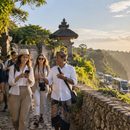
Image generated with Ai
Japan continues to rank among the world’s most popular travel destinations, welcoming millions of international visitors every year. From Tokyo’s futuristic skyline and Kyoto’s historic temples to Hokkaido’s natural beauty and Okinawa’s tropical beaches, the country offers unforgettable experiences throughout the year.
As tourism reaches new highs, travel safety experts are encouraging visitors to spend a few minutes preparing for one aspect of Japan that is often overlooked—natural disasters. The country has one of the world’s strongest disaster management systems, but many first-time international visitors are unfamiliar with emergency procedures that local residents learn from an early age.
Advertisement
Rather than discouraging travel, experts say awareness and preparation can help tourists enjoy their holiday with greater confidence.
Japan sits along the Pacific Ring of Fire, making it one of the world’s most geologically active countries. Earthquakes are relatively common, while typhoon season can bring heavy rain and strong winds. Certain regions also have active volcanoes, and coastal areas may occasionally receive tsunami warnings following major offshore earthquakes.
Advertisement
Advertisement
Despite these natural risks, Japan remains one of the safest countries to visit because of its advanced monitoring systems, resilient infrastructure, and well-practised emergency response measures.
Residents regularly participate in disaster preparedness activities, and schools conduct evacuation drills throughout the year. However, short-term visitors often arrive without knowing what emergency alerts sound like or where the nearest evacuation point is located.
Japan’s tourism industry has expanded rapidly in recent years, attracting travelers from every continent. This growth has created new opportunities for local businesses while also highlighting the importance of making disaster preparedness information more accessible for overseas visitors.
Unlike local residents, international tourists may not understand Japanese-language announcements or know how to respond if an emergency warning is issued. Many visitors are also constantly moving between cities, making it difficult to become familiar with local evacuation routes.
Advertisement
Advertisement
Travel experts believe multilingual communication, clearer signage, and stronger visitor awareness can significantly improve safety during unexpected events.
Packing suitable clothing and booking hotels are common parts of trip planning, but emergency preparedness deserves a place on every travel checklist.
Before leaving for Japan, travelers should learn about the types of natural hazards that may affect the regions they plan to visit. Checking seasonal weather conditions and understanding local emergency procedures can reduce confusion if an unexpected event occurs.
Travel insurance that includes coverage for weather disruptions and natural disasters can also provide valuable financial protection if flights are delayed or itineraries change.
Japan provides several reliable resources designed to help both residents and international visitors stay informed.
The Japan Meteorological Agency issues real-time updates on earthquakes, tsunami advisories, typhoons, volcanic activity, and severe weather conditions. Emergency notifications are also sent through mobile phones and broadcast across television, radio, and public information systems.
The Japan National Tourism Organization offers multilingual travel information, including practical advice for emergencies. Many local governments have also introduced multilingual disaster information to support foreign visitors.
Checking these official sources before and during a trip helps travelers receive accurate information instead of relying on rumors circulating on social media.
Earthquakes often occur without warning, although Japan’s early warning technology can sometimes provide a few seconds of advance notice before strong shaking begins.
If an earthquake occurs indoors, visitors should remain calm, protect their head, and stay away from windows or objects that could fall. Elevators should be avoided until authorities confirm they are safe to use.
After the shaking stops, travelers should follow instructions provided by hotel staff, railway personnel, or emergency officials. If a tsunami warning is issued while near the coastline, moving immediately to higher ground is the safest response.
Understanding these simple actions before arriving in Japan can make emergency situations much less stressful.
Visitors planning holidays between summer and early autumn should be aware that typhoon season can occasionally disrupt transportation.
Flights, ferries, trains, and sightseeing activities may experience delays or temporary cancellations during periods of severe weather.
Travelers are advised to build flexibility into their itineraries, monitor official weather forecasts daily, and avoid unnecessary travel when authorities advise caution.
Most transport operators provide updates in multiple languages through their websites and mobile applications, making it easier for international visitors to adjust their plans.
Simple steps can improve travel safety throughout a visit.
Keeping hotel addresses saved in both English and Japanese, downloading offline maps, enabling emergency notifications on smartphones, and identifying nearby evacuation locations after checking into accommodation are practical habits that require very little time.
Visitors should also carry enough identification, keep emergency contact details accessible, and ensure their phones remain charged while exploring.
These precautions are easy to follow and can prove extremely useful if transport services are temporarily interrupted.
Japan continues to set global standards for hospitality, public transport, cleanliness, and disaster preparedness. Its authorities constantly invest in improving emergency communication and strengthening support for both residents and international visitors.
For travelers, the message is reassuring. Natural disasters are part of life in Japan, but they are also carefully planned for through advanced technology, detailed emergency systems, and coordinated public response.
By taking a few practical precautions before departure and relying on official government information throughout the journey, visitors can confidently explore Japan’s cultural treasures, vibrant cities, scenic landscapes, and world-famous attractions.
A well-prepared traveler is better equipped to handle unexpected situations, allowing every trip to focus on discovering the remarkable experiences that make Japan one of the world’s most rewarding destinations.
Advertisement
Tags: international travel Japan, Japan disaster preparedness, Japan earthquake guide, Japan emergency alerts, Japan emergency information
Advertisement
Advertisement













Saturday, September 5, 2026

Friday, September 4, 2026

Saturday, September 5, 2026
Friday, September 4, 2026

Thursday, September 3, 2026

Wednesday, September 2, 2026
Friday, September 4, 2026