
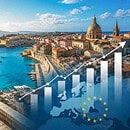
Image generated with Ai
Morocco MICE tourism, business travel, conference tourism and Morocco tourism strategy 2030 are being placed at the forefront of a national effort to transform the country into one of the world’s leading destinations for meetings, incentives, conferences and exhibitions. Significant investments are being directed toward new convention centres, exhibition facilities and supporting infrastructure as authorities work towards attracting 2.3 million business travellers by 2030.
The strategy is being positioned as an essential component of Morocco’s broader tourism roadmap. Rather than relying exclusively on traditional leisure tourism, a stronger emphasis is now being placed on high-value segments that can generate year-round economic activity.
A large-scale infrastructure expansion is already underway across several key cities, including Agadir, Marrakech, Casablanca and Rabat. These developments are expected to strengthen Morocco’s global competitiveness while diversifying its tourism economy.
The long-term vision is being designed to establish Morocco as a major international destination for global conferences, corporate gatherings and large-scale exhibitions.
Advertisement
Business tourism is increasingly being recognised as one of the most valuable sectors within the global travel industry.
During an appearance before the House of Councillors, Minister of Tourism, Handicrafts and Social and Solidarity Economy Fatim-Zahra Ammor highlighted the importance of this segment within Morocco’s national tourism plans.
A dedicated thematic sector has already been incorporated into the country’s tourism roadmap due to its ability to generate substantial economic returns.
Unlike traditional tourism patterns, business tourism often delivers more consistent visitor flows throughout the year. This helps reduce the seasonality that many destinations experience, particularly those heavily dependent on holiday travel periods.
Advertisement
Advertisement
Corporate events, international conventions and exhibitions also tend to attract higher-spending visitors who contribute significantly to local economies through accommodation, transportation, dining and additional leisure activities.
At the same time, international events help strengthen the global visibility of host cities by exposing them to decision-makers, investors and multinational organisations.
This strategic advantage is now being actively pursued by Morocco.
The country has already made substantial progress in developing infrastructure dedicated to the MICE sector.
According to government figures, Morocco currently possesses a business and conference tourism capacity of approximately 135,000 seats distributed across numerous cities throughout the Kingdom.
These facilities are supporting a growing number of corporate events and international meetings.
Over recent years, significant investments have been attracted into this segment, demonstrating increasing confidence from both public and private stakeholders.
Business tourism is no longer being viewed as a supplementary market. Instead, it is gradually being established as a pillar of Morocco’s broader tourism economy.
This transition is particularly important because global competition among destinations is intensifying.
Countries are increasingly competing for international conventions and major exhibitions because such events create immediate economic benefits while also enhancing long-term destination branding.
Morocco is now positioning itself within that competitive global landscape.
Agadir is expected to become one of Morocco’s most important business tourism destinations in the coming years.
A new convention centre with a capacity of 5,000 seats is scheduled to open by the end of 2026.
This project is expected to significantly enhance the city’s ability to host larger international gatherings.
Traditionally known for its beaches and leisure tourism appeal, Agadir is now being diversified into a multi-purpose destination capable of serving both corporate and recreational visitors.
The integration of business tourism into Agadir’s existing tourism model may also extend visitor stays and encourage additional spending across local businesses.
Hotels, restaurants, transportation providers and cultural attractions are all expected to benefit from increased visitor activity associated with major events.
The project also represents a broader effort to distribute economic opportunities across multiple regions instead of concentrating growth in a single city.
Marrakech is being prepared for an even larger transformation.
According to Fatim-Zahra Ammor, a world-class convention centre capable of accommodating 20,000 attendees is currently under development.
Once completed, the infrastructure is expected to elevate Marrakech into the ranks of the world’s top ten business tourism destinations.
The city already possesses a strong international reputation due to its historic architecture, luxury hotels, cultural heritage and established tourism industry.
By adding large-scale conference capabilities, Marrakech will be able to compete for some of the world’s most prestigious international events.
This combination of leisure appeal and business infrastructure creates a particularly attractive proposition for event organisers.
Delegates attending conferences will also gain opportunities to explore local attractions before and after official events.
This blend of business and leisure experiences, often referred to globally as bleisure travel, is becoming increasingly popular among modern travellers.
Marrakech appears well positioned to capitalise on this evolving trend.
Additional projects are also being explored in Morocco’s other major urban centres.
In Casablanca, a convention centre project is currently being studied with a target linked to the year 2030.
Authorities are still examining potential locations while discussions continue regarding partnerships and project implementation strategies.
Although the project remains in the planning phase, its eventual development could significantly strengthen Casablanca’s position as Morocco’s economic capital.
Meanwhile, Rabat is moving ahead with a major investment initiative.
An agreement has already been signed for the construction of a new exhibition centre in the city.
The project represents an investment worth MAD 700 million and is being jointly financed by the ministry and regional local authorities.
The facility is expected to expand Rabat’s capacity to host large-scale exhibitions and international gatherings.
These developments collectively demonstrate a nationwide commitment rather than isolated city-based projects.
Major business tourism infrastructure projects involve lengthy and complex development processes.
Significant financial resources must be secured before construction can begin. Partnerships between government entities, local authorities and private investors also need to be carefully established.
Construction timelines themselves often extend over several years due to the size and technical requirements of these facilities.
Fatim-Zahra Ammor emphasised that such projects require patience, coordination and sustained investment commitments.
Despite these challenges, support continues to be offered for regions possessing strong potential within the MICE sector.
The ministry has reaffirmed its willingness to examine future proposals aimed at strengthening conference and exhibition tourism across additional parts of the country.
As 2030 approaches, Morocco is clearly signalling its intention to become far more than a traditional holiday destination.
By investing in Agadir, Marrakech, Casablanca and Rabat, a new tourism model is being created that combines international business opportunities with Morocco’s established cultural and leisure appeal.
If these ambitious plans are successfully delivered, Morocco could emerge as one of the most influential business tourism destinations across Africa, the Mediterranean and beyond.
Advertisement
Advertisement
Advertisement











Tuesday, September 1, 2026

Tuesday, September 1, 2026

Tuesday, September 1, 2026

Tuesday, September 1, 2026
Tuesday, September 1, 2026
Tuesday, September 1, 2026

Tuesday, September 1, 2026

Tuesday, September 1, 2026



