
Saudi Arabia Tourism Soars as the Kingdom Challenges Egypt and More for Global Travellers

Published
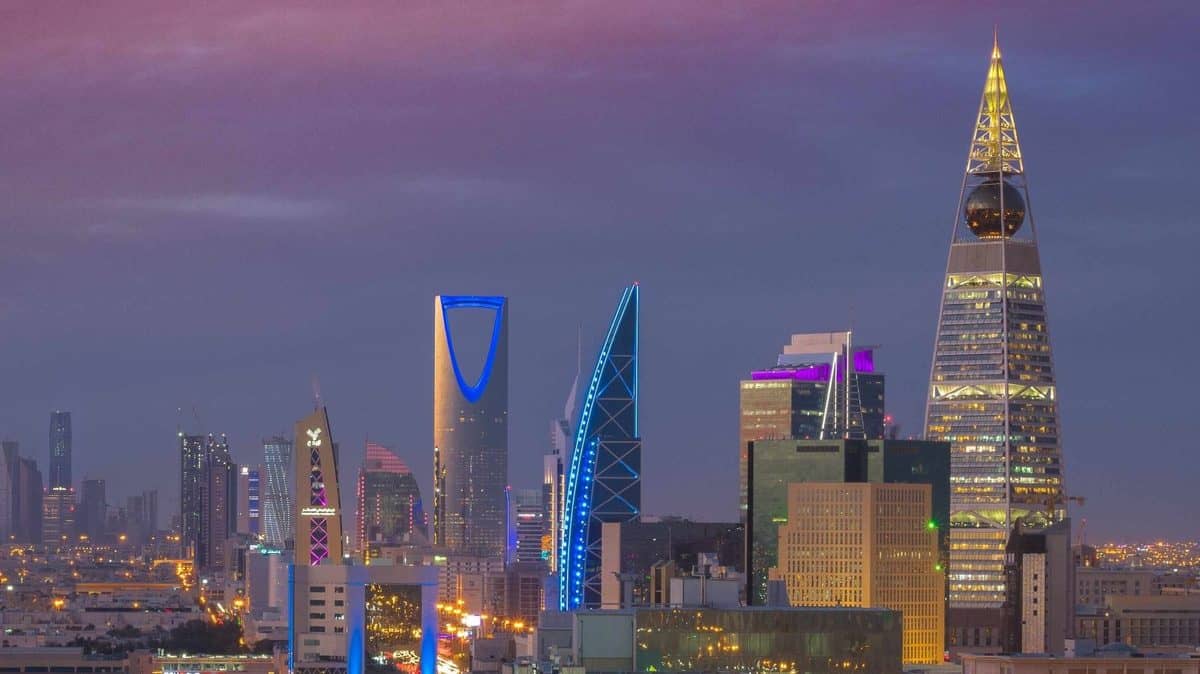
Image generated with Ai
Saudi Arabia Tourism is soaring into a remarkable new era, and Saudi Arabia Tourism is increasingly attracting global travellers. Moreover, the Kingdom is challenging Egypt and other major destinations with an expanding tourism proposition. Saudi Arabia is combining culture, heritage, leisure, aviation and hospitality to create new reasons to travel. Meanwhile, tourism growth is strengthening the Kingdom’s position across the global travel market. Official figures show around 123 million domestic and inbound tourists in 2025, including approximately 29.3 million inbound visitors. Airport traffic also reached 140.9 million passengers. Therefore, Saudi Arabia Tourism deserves close attention from travellers worldwide. Travel And Tour World urges readers to read the entire story.
Saudi Arabia Tourism Gains Global Momentum
Saudi Arabia tourism is rapidly changing the way international travellers view the Kingdom. Under Vision 2030, major investment is strengthening hospitality, aviation, culture, entertainment and tourism infrastructure. The transformation is creating a wider range of experiences for visitors.
Official figures show the scale of this growth. Saudi Arabia welcomed nearly 123 million domestic and international visitors during 2025. Tourism spending exceeded SAR304 billion, highlighting the sector’s growing importance.
Riyadh Becomes a New Tourism Meeting Point
The next major development will arrive in Riyadh with the inaugural WTM Spotlight Riyadh. The event is scheduled for 8–10 September 2026 at the Riyadh Front Exhibition & Conference Center.
Advertisement
Advertisement
The platform will connect destinations, tourism organisations, travel suppliers, buyers, industry leaders and travellers. Its B2B2C structure is designed to combine industry networking with traveller-focused insights.
Advertisement
Advertisement
For global visitors, this could help shape new travel products, itineraries and experiences across Saudi Arabia. Scheduled meetings, networking programmes and industry discussions will focus on changing travel demand and future tourism opportunities.
More Accommodation for International Visitors
Saudi Arabia’s hospitality infrastructure is also expanding rapidly. GASTAT reported 5,622 licensed tourism hospitality facilities during Q3 2025. This was 40.6% higher than the 3,998 facilities recorded during Q3 2024.
Hotels represented 2,667 facilities, while serviced apartments and other hospitality properties accounted for 2,955. Hotel occupancy reached 49.1%, up from 46.1% a year earlier.
Advertisement
Advertisement
Why Travellers Should Watch Saudi Arabia
The Kingdom offers a growing mix of urban, cultural, heritage and leisure experiences. Riyadh provides a modern capital experience, while destinations across the country offer opportunities to discover Saudi culture and landscapes.
The expansion of tourism infrastructure also gives international travellers more choices when planning future holidays.
Advertisement
Advertisement
With visitor numbers approaching 123 million and tourism spending exceeding SAR304 billion, Saudi Arabia tourism is entering an important new phase. The country’s continuing investment could make the Kingdom an increasingly significant destination for global travellers.
Saudi Arabia Tourism Is Becoming a Regional Benchmark
Saudi Arabia’s tourism transformation is increasingly comparable with the rapid visitor-growth strategies pursued by other Middle Eastern destinations. However, the comparison needs one important qualification: Saudi Arabia’s headline tourism figure includes domestic and inbound tourism, whereas many international comparisons use foreign tourist arrivals only. GASTAT’s official methodology defines inbound tourism as non-residents travelling to Saudi Arabia, while internal tourism combines domestic and inbound activity.
The Saudi Ministry of Tourism’s latest publication is its 2025 Tourism Statistics Annual Report, while the Ministry’s tourism dashboard separately reports domestic tourism indicators.
Saudi Arabia’s tourism strategy is therefore much broader than simply attracting overseas holidaymakers. It encompasses domestic trips, international visitors, religious travel, hospitality investment, entertainment, heritage destinations and new tourism infrastructure.
Saudi Arabia’s Tourism Scale
| Indicator | Latest official figure | Significance |
|---|---|---|
| Saudi domestic tourists | 93.32 million | Shows the enormous domestic travel market |
| Domestic overnight stays | 564.07 million nights | Demonstrates substantial internal tourism activity |
| Domestic tourist spending | SAR127.08 billion | Shows the economic value of domestic travel |
| Average domestic stay | 6.04 nights | Indicates relatively long domestic trips |
| Tourism hospitality facilities, Q3 2025 | 5,622 | Rapid expansion of visitor accommodation |
| Hotel occupancy, Q3 2025 | 49.1% | Indicates continuing demand for rooms |
| Saudi 2030 tourism ambition | 150 million tourists | Long-term strategic target |
The Ministry’s dashboard reports 93.32 million domestic tourists, 564.07 million overnight stays and SAR127.08 billion in domestic tourist spending.
Advertisement
Advertisement
Meanwhile, GASTAT reported substantial growth in tourism accommodation supply. Its official tourism-establishment statistics show that Saudi Arabia had 5,622 licensed tourism hospitality facilities in Q3 2025, compared with 3,998 in Q3 2024. That represents a 40.6% year-on-year increase.
This expansion is particularly important for travellers because more accommodation capacity can support greater visitor volumes across emerging destinations.
Egypt Is Another Major Regional Competitor
Egypt provides one of the clearest comparisons because it combines cultural tourism, resort tourism and a major domestic travel market.
Official Egyptian government information states that the country received approximately 19 million tourists in 2025, representing about a 21% increase over 2024.
The government had previously reported 17.5 million tourists in 2024, although another official statement reported 15.7 million, demonstrating why datasets and reporting definitions must be checked carefully when comparing countries.
Advertisement
Advertisement
Egypt also recorded 6.1 million tourists during January–April 2026, up 7% from 5.7 million during the corresponding period of 2025.
| Egypt indicator | Official figure |
|---|---|
| 2024 tourist arrivals | 17.5 million in Ministry-reported figure |
| 2025 arrivals | Approximately 19 million |
| 2025 annual growth | About 21% |
| Jan–Apr 2026 | 6.1 million |
| Jan–Apr 2025 comparison | 5.7 million |
| Jan–Apr 2026 growth | 7% |
For travellers, Egypt’s strength comes from combining the pyramids, ancient heritage, Nile experiences and Red Sea resorts within one destination.
Türkiye Demonstrates the Scale of Established Tourism
Türkiye is another useful benchmark because it has a mature international tourism industry alongside expanding cultural, coastal and city tourism.
TÜİK, Türkiye’s official statistics authority, publishes tourism statistics covering visitors, tourism income and expenditure. Its tourism database provides annual and periodic information, making it an important official source for comparisons.
Unlike Saudi Arabia’s broader domestic-and-inbound headline measurement, Türkiye’s internationally reported visitor statistics are particularly useful for understanding overseas demand.
Advertisement
Advertisement
| Destination | Tourism model | Major traveller strengths |
|---|---|---|
| Saudi Arabia | Domestic + inbound + religious + leisure | Riyadh, AlUla, Red Sea, cultural tourism |
| Egypt | International leisure + heritage | Pyramids, Nile, Red Sea |
| Türkiye | Large international leisure market | Istanbul, Mediterranean coast, Cappadocia |
| Oman | Nature + culture + adventure | Muscat, mountains, deserts, Dhofar |
| UAE | City + luxury + business + leisure | Dubai, Abu Dhabi, resorts |
Oman Is Building a Different Tourism Proposition
Oman is another regional destination developing tourism through nature, culture and adventure rather than attempting to replicate Saudi Arabia’s scale.
The National Centre for Statistics and Information is Oman’s official statistical authority and publishes dedicated Tourism Indicators Reports and annual tourism statistics. Its current publication programme includes monthly tourism reporting as well as the State of Tourism in Oman report.
For international travellers, Oman’s appeal is concentrated around Muscat, mountain landscapes, deserts, wadis, coastal experiences and the Dhofar khareef season.
Monthly Data: Why Direct Five-Year Comparisons Need Care
A genuine January-to-December comparison for every country from 2021 through 2025 would require 60 monthly observations per country. The official statistical systems do not use identical definitions or reporting periods.
For example, Saudi Arabia’s tourism framework distinguishes domestic, inbound, internal and international tourism. Türkiye’s official tourism system separately reports foreign visitors and citizens residing abroad, while Oman publishes tourism indicators through NCSI.
Advertisement
Advertisement
Therefore, combining monthly figures from different statistical definitions into one table would create misleading comparisons.
Five-Year Tourism Comparison
| Country | 2021 | 2022 | 2023 | 2024 | 2025 |
|---|---|---|---|---|---|
| Saudi Arabia | Recovery year | Strong reopening | Rapid expansion | Continued expansion | Record-scale tourism programme |
| Egypt | Recovery period | Strong recovery | Strong growth | Major growth | ~19m tourists |
| Türkiye | Recovery | Strong rebound | Major international demand | Continued growth | Official monthly reporting available |
| Oman | Recovery | Recovery | Expansion | Expansion | Continued tourism development |
| UAE | Recovery | Strong rebound | Major international demand | Continued expansion | Continued expansion |
What This Means for Travellers
The most important development is not simply the number of tourists. It is the diversification of travel choices.
Saudi Arabia is adding destinations, accommodation and experiences at a pace designed to support its 2030 tourism ambitions. Egypt continues to benefit from its globally recognised heritage and resort markets. Türkiye combines mature tourism infrastructure with extensive cultural and coastal offerings. Oman is developing its nature and adventure proposition.
For global travellers, this means the Middle East is becoming a more competitive multi-destination region.
Saudi Arabia’s particularly distinctive advantage is the scale of its domestic market combined with international tourism, religious travel and major new leisure developments.
Advertisement
Advertisement
The result is a tourism landscape where Saudi Arabia, Egypt, Türkiye, Oman and the UAE are pursuing different strategies while competing for an increasingly global traveller.
Conclusion
Saudi Arabia Tourism is entering a powerful new chapter, giving global travellers more reasons to discover the Kingdom. From Riyadh’s modern attractions to AlUla’s heritage landscapes and the Red Sea’s emerging resorts, Saudi Arabia is rapidly broadening its travel appeal. At the same time, strong visitor numbers, expanding hospitality capacity and Vision 2030 investments are reshaping the country’s tourism future. As Saudi Arabia challenges established destinations such as Egypt and other regional tourism leaders, travellers can expect more experiences, improved infrastructure and greater destination choice. For anyone planning a Middle Eastern journey, Saudi Arabia Tourism is now a destination worth watching closely.
Advertisement
